Barak Abramov chose Friday night television for his first extended response to the most violent week his business empire has known. Interviewed by Haim Etgar on Ulpan Shishi after grenades, arson attempts and suspected gunfire struck branches of his Japanika restaurant chain — nine of them in a single week, by his own count in a parallel Globes account of the broadcast — the Beitar Jerusalem owner insisted he had received no threats and offered a striking new claim about why his name keeps surfacing.
According to the Israeli report of the interview, Abramov said that beyond the underworld feud he insists he has no part in, he has fallen victim to a second dispute. "What is happening in the deal with Leumi Partners and what is happening in the media — I am the victim of a 'conflict', I fell between two people," he said. He identified those parties as the leadership of Keshet and Victor Vakrat, today chief executive of Leumi Partners and previously head of Keshet's business division. "The heads of Keshet did not like Victor leaving for Leumi Partners; apparently they waited for him around the corner, and who takes the fire — Japanika and Barak Abramov," he claimed. He offered no evidence for the allegation, which he delivered on Keshet 12's own Friday programme, and the report carries no response from Keshet, Vakrat or Leumi Partners.
The business backdrop, unlike the allegation, is independently established. Leumi Partners, Bank Leumi's investment arm, recently paid about 200 million shekels for 20 per cent of Abramov's Landora group, Japanika's parent, at a valuation of roughly one billion shekels — figures confirmed in both Ynet and Globes reporting. Ynet has quoted bank sources saying the firm would exit the partnership if an investigation established involvement with criminal elements, and that a planned stock-market flotation is expected to be postponed. "It is clear I got a phone call from them — they are my partners," Abramov said of the firm.
His denials were categorical. "I was not threatened, I received no threat," he said, adding: "There is no proof that I was, will be or am currently a partner of criminal elements." He turned the charge back on his interviewers, noting that Keshet itself had once been his partner in a venture: "So Keshet are also partners with criminals?" In the Globes account of the same broadcast, he acknowledged limited acquaintance with the Musli and Jarushi crime families while denying any friendship or business relationship, and said National Security Minister Itamar Ben Gvir's office had told him in a conference call with senior police officers that they know he has no business ties to the families; police, he said, asked for a list of all 46 branches in order to protect them.
None of that settles what police themselves suspect. Independent reporting in Walla describes an assessment that the attacks form part of a coordinated conflict between the Musli and Jarushi families, with roughly 15 grenades thrown across the Tel Aviv area within a week and concern that stolen military weaponry is in circulation. Abramov's own account of why Japanika became a target — sadness and bafflement in one breath, a media feud in the next — remains his characterisation, not an established finding, and the two explanations sit unresolved alongside each other.
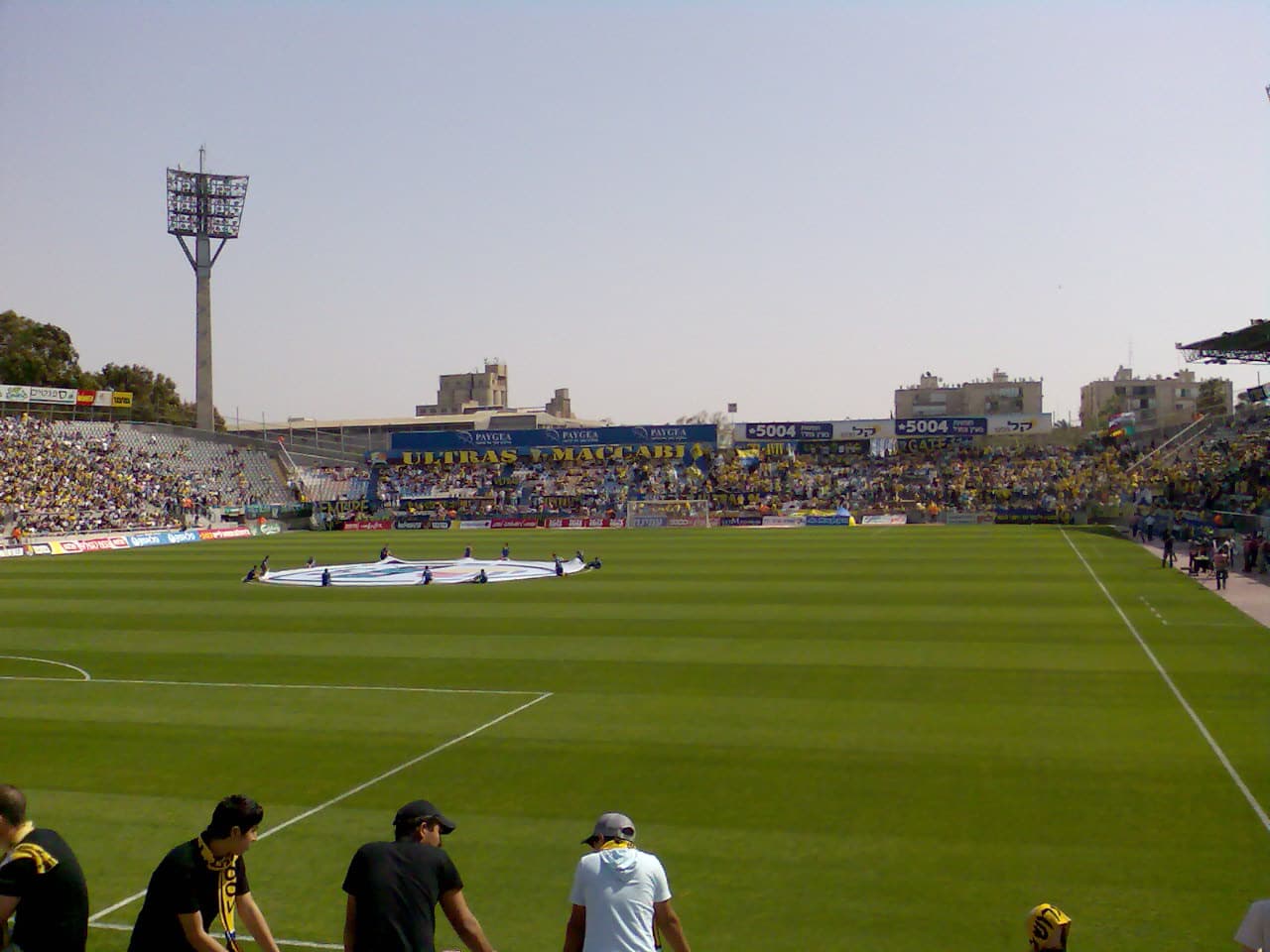
For Israeli football the relevance is unchanged from ILSP's earlier reporting: the attacks concern Abramov's private businesses, and neither Beitar Jerusalem nor its supporters are implicated in the investigation. But the interview aired hours before Beitar's heavily policed meeting with Hapoel Tel Aviv in Netanya, with the club's owner already under security escort, and his public posture now matters commercially as well as personally. The next verifiable developments are concrete ones: any response from Keshet or Leumi Partners, decisions on the flotation, and where the police investigation into the attacks leads.