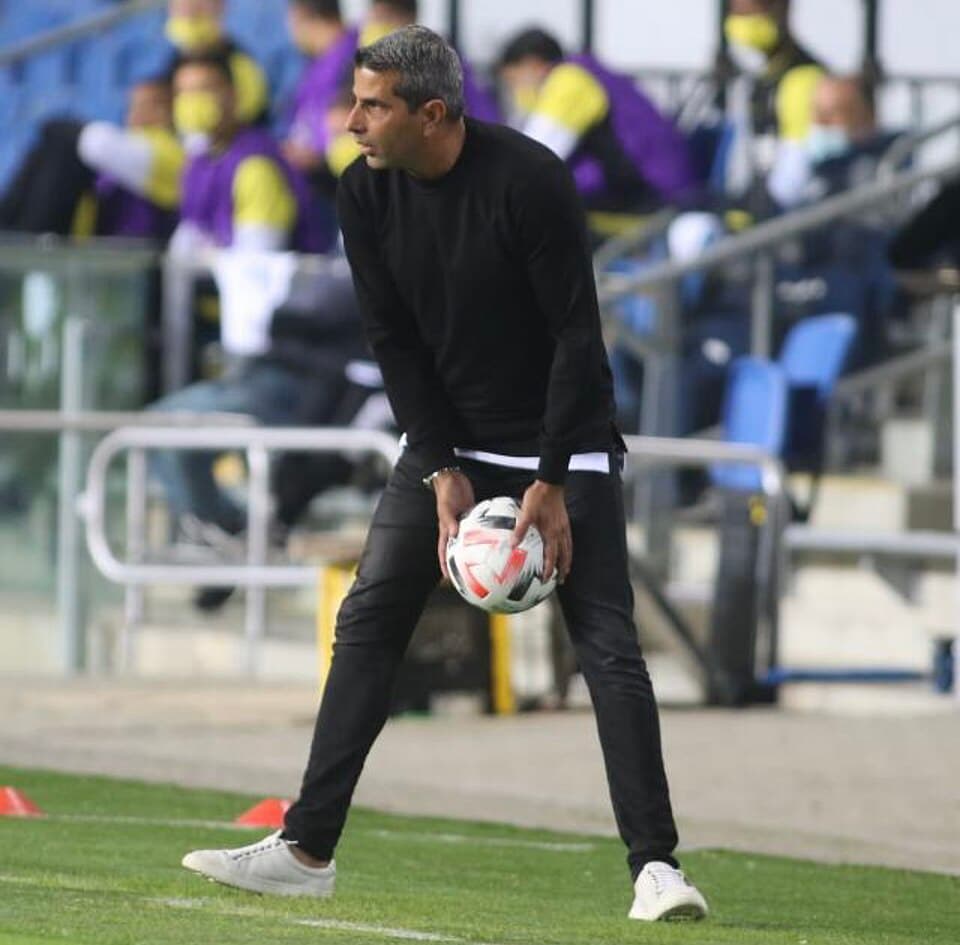
A regional labour court in Haifa has rejected Bnei Sakhnin's attempt to freeze arbitration proceedings brought by former head coach Sharon Mimer, who is seeking roughly NIS 920,000 in compensation from the club, ONE reported.
Judge Dania Drori found no grounds to suspend the process, dismissing the club's argument that letting the arbitration run its course would cause it irreparable harm.
Mimer, who took charge of Sakhnin again in 2025, filed the claim in March 2026, according to ONE. It covers termination compensation, wage differences, unpaid pension and insurance contributions, and severance pay.
Sakhnin had argued that these are statutory rights over which only the labour courts have jurisdiction, not a private arbitrator, and asked the court to pause the arbitration while it pursued that argument through the appeals process.
The judge disagreed, reasoning that even if Sakhnin's underlying claim eventually succeeds, any arbitration ruling issued in the meantime would automatically be voided - meaning the club faces no irreversible damage from letting the process continue, per the ruling cited by ONE.
The dispute is being arbitrated by retired judge Oren Shgav, appointed under regulations the Israel Football Association amended after the Eli Babayev affair, which saw retired judges brought in to rule on disputes between clubs and their coaches and players.
It is the second setback in a row for Sakhnin in the case: the arbitrator already rejected the club's bid to have Mimer's claim thrown out entirely on 22 June, and a full arbitration hearing is now due in August 2026.
Mimer is represented by attorneys Amir Cohen and Sharon Braverman Atiya, while Sakhnin's case is being handled by Anan Frou and Amal Khinawi, according to ONE.
The rupture between Mimer and the club turned public and bitter after chief executive Yosef Badarna suggested that parting with the coach sooner would have helped Sakhnin's push up the table; Mimer has said he felt exposed to hostility during his time in Sakhnin, and his claim reportedly also cites breach of contract and damage to his professional reputation alongside the financial demands.