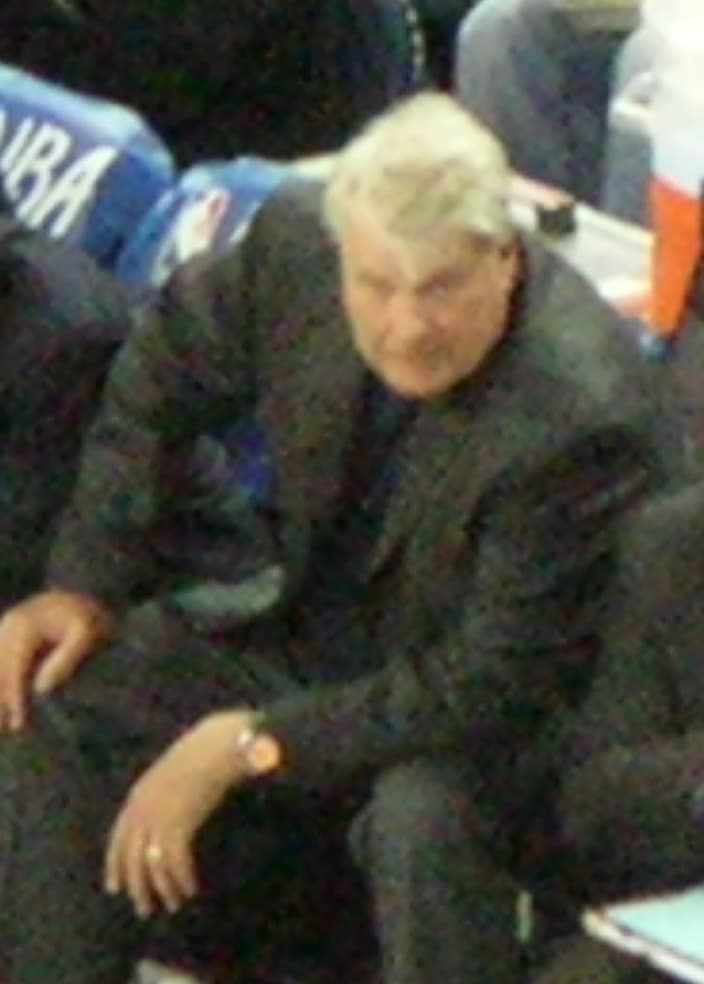
Don Nelson, one of the most influential figures in NBA history and the second-winningest coach the league has ever seen, has died at the age of 86, ONE reported, citing a family statement confirmed by outlets including ESPN, CBS News and NBA.com.
"On Sunday morning our beloved husband, dad, grandfather and great-grandfather Don Nelson peacefully went to be with the Lord, surrounded by his loving family," the family said in a statement, adding that he died at home.
Nelson spent 31 seasons as an NBA head coach across four franchises — the Milwaukee Bucks, two spells with the Golden State Warriors, the New York Knicks and the Dallas Mavericks — compiling a regular-season record of 1,335 wins and 1,063 losses, second only to Gregg Popovich on the league's all-time list. He won seven Central Division titles and a three-time NBA Coach of the Year award, and led teams to 18 playoff appearances.
His lasting imprint on the sport came less from silverware than from style. Nelson pioneered what became known as "Nelson-ball": small, switchable lineups, pace-and-space spacing and a willingness to play power forwards and centers on the perimeter years before that became basketball orthodoxy. The approach, refined most famously with the "We Believe" Warriors who upset the top-seeded Dallas Mavericks in the 2007 playoffs, is widely credited as a forerunner of the small-ball revolution that now defines the modern NBA.
Before he coached, Nelson was a champion player. He won five NBA titles with the Boston Celtics between 1965 and 1976, playing alongside Bill Russell and John Havlicek, and the Celtics retired his No. 19 jersey in 1978 in recognition of his contribution to those title runs.
As a coach he also had international success, leading the United States to gold at the 1994 FIBA World Championship in Toronto, a rare high point for the program in the years between Olympic "Dream Teams."
Nelson was inducted into the Naismith Memorial Basketball Hall of Fame in 2012, capping recognition for a career that touched nearly every era of the modern league, from his Celtics playing days in the 1960s and '70s through his final coaching stint with Golden State, which ended in 2010.
In retirement he settled on Maui, where he took up avocado and coffee farming and largely stepped back from public life. After the devastating Lahaina wildfires of August 2023, Nelson donated part of his property to house families who had lost their homes, a gesture that drew renewed attention to the low-key life he had built on the island long after he left NBA benches behind.