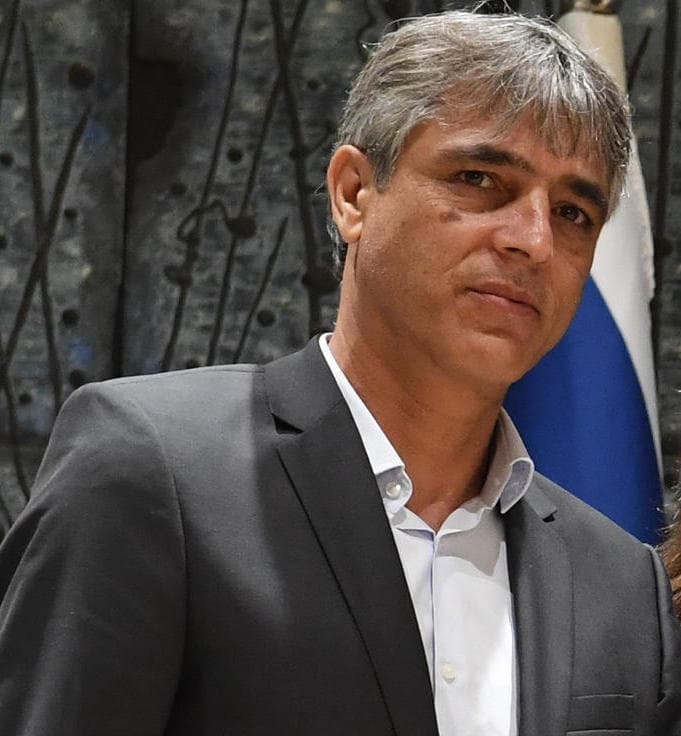
Eli Ohana, one of the greatest footballers Israel has produced, has formally declared his working life in the game over. Asked on the radio programme he presents on Sunday morning whether he would agree to lead the national team alongside Eyal Berkovic, the 62-year-old closed the door without hesitation. "Me and Berkovic to the Israel national team together? There is no chance — it is of no interest," he said. "In sport and in football I am staying only at the sports channel. I have finished my path in football."
The declaration formalises a retreat that has been under way for some time. Ohana has held no formal post since stepping down as Beitar Jerusalem chairman in May 2022, yet his name has rarely left conversations about vacancies at his old club or on the national-team staff. Sunday's remarks were his most explicit farewell yet: no return as coach, executive or federation figure — only the pundit's chair.
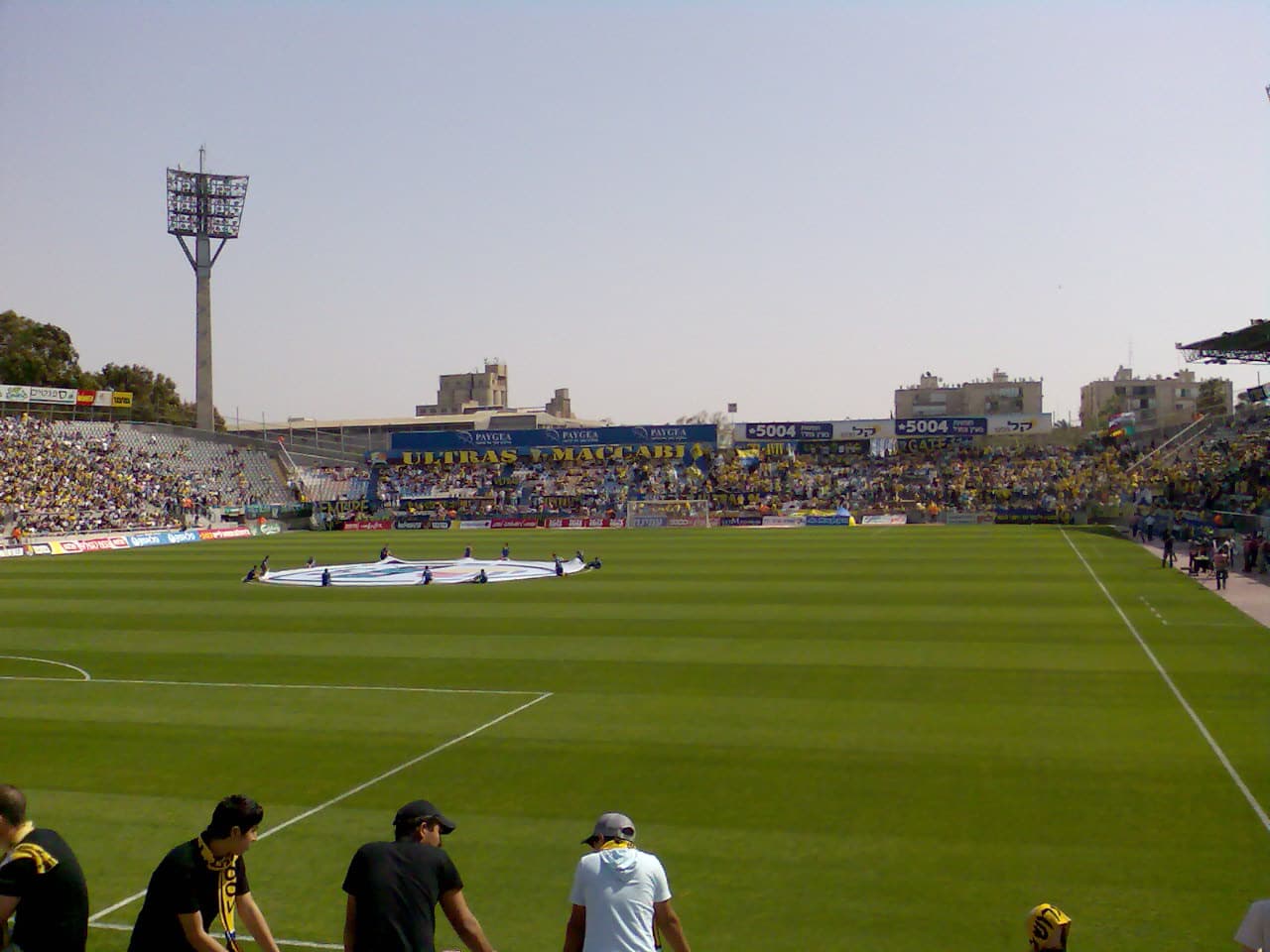
It ends one of the richest careers in Israeli football. Nicknamed "King Ohana", the forward came through Beitar Jerusalem's youth ranks and starred for the club across two spells, from 1980 to 1987 and again from 1991 to 1999. He won four Israeli championships in that time — in 1986-87, 1992-93, 1996-97 and 1997-98 — along with State Cups in 1984-85 and 1985-86.
In between came the achievement that made him a landmark figure for the Israeli game. At KV Mechelen between 1987 and 1990 he won the 1987-88 European Cup Winners' Cup, scoring in the semi-final and setting up the winning goal in the 1-0 final victory over Ajax, to become the first Israeli footballer to win a European club trophy.
He added the 1988 European Super Cup with the Belgian side and received the Bravo Award that same year. Between 1984 and 1997 he scored 17 goals in 51 appearances for Israel.
His second career kept him close to the touchline for two more decades. He managed Beitar Jerusalem and other Israeli clubs, led Israel's under-19 side from 2008 to 2016, took caretaker charge of the senior national team in 2010, sat on the Israel Football Association's executive and served as Beitar chairman from May 2017 to May 2022.
Reflecting on Israel's repeated failure to reach major tournaments, Ohana rejected the idea that coaching was to blame. "I do not think Israel's problem over the years has been the coaches. There have been excellent coaches, both foreign and Israeli," he said. "At the end of the day the players do the work on the pitch — their influence is even greater than the coaches'."
Nor does he expect Berkovic, once a mooted candidate, to take the national job. "If you had said Berko to me three or four years ago, I would have been with you. Today? I am not sure he would go. From what I understand — and I have heard him say it himself — that matter is already behind him."
The farewell came, fittingly, with Ohana still at work: his remarks aired hours before Sunday evening's World Cup final between Argentina and Spain, which he was previewing as a broadcaster, sticking with the Spain tip he has carried since the start of the tournament. The man who took Israeli football to a European final will watch this one from the studio — which, by his own words, is now where his story in the game continues.