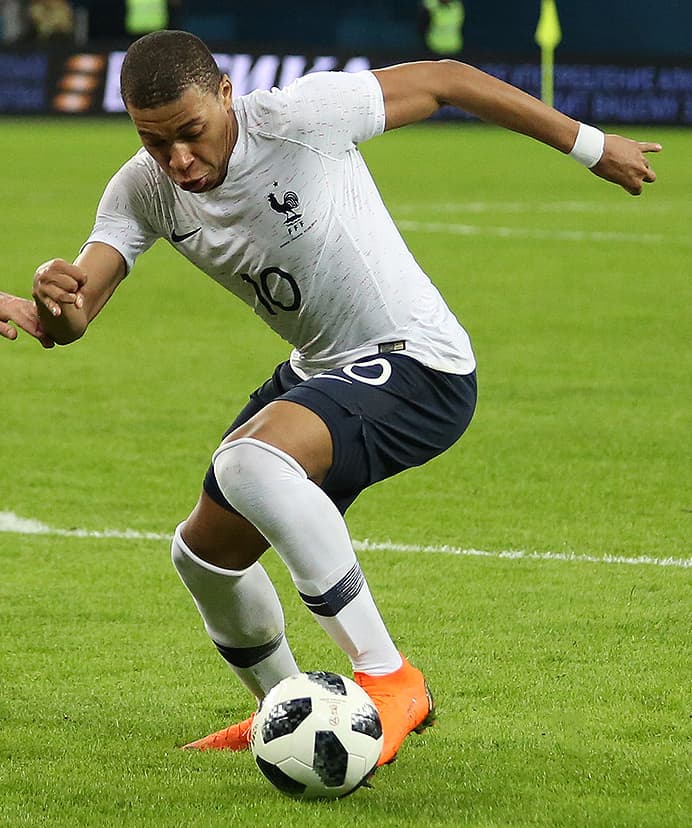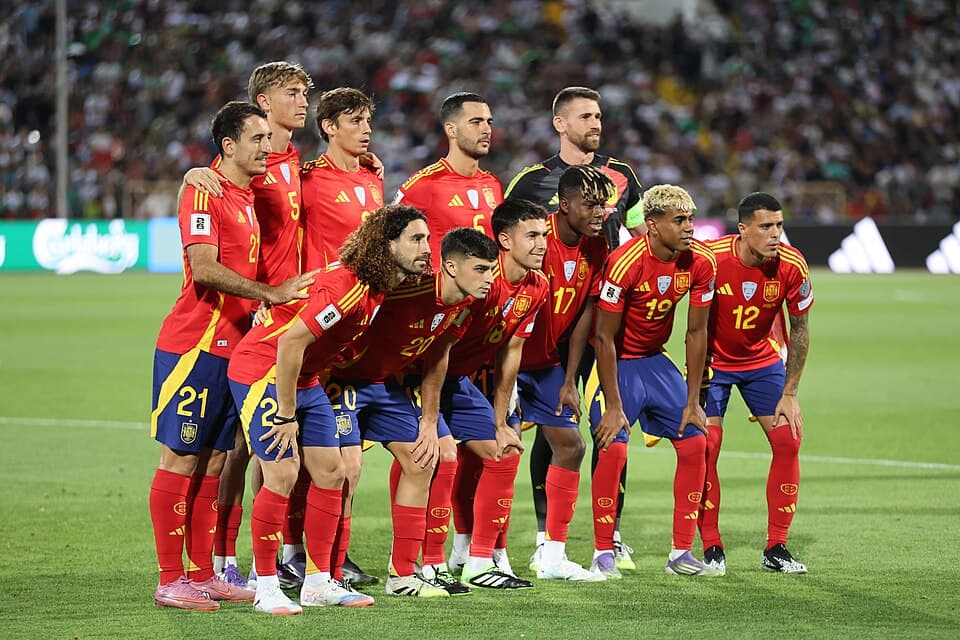
Spain are through to the World Cup final after beating France 2–0 in a semi-final settled by one moment of penalty-area pressure and one emphatic second-half finish. Mikel Oyarzabal converted a 22nd-minute penalty before Pedro Porro doubled the lead in the 58th minute, the reward for a performance built on territorial control and disciplined protection behind the ball.
The opening goal gave Spain the kind of control that matters more than possession figures in a knockout match: France now had to chase the game without allowing the spaces Spain's wide players are built to exploit. Oyarzabal took the responsibility from the spot and put his side ahead. It was his fifth goal of the tournament, drawing him level with Spain's record for goals in a single men's World Cup.
France's task grew harder when centre-back William Saliba went down and was replaced by Maxence Lacroix in the 30th minute, eight minutes after the opening goal. The enforced change disrupted an already stretched defensive unit, though no authoritative post-match diagnosis has established the nature or severity of Saliba's problem. It should be treated as a confirmed in-game injury substitution, not as evidence of a specific condition or recovery timetable.
Porro's goal after the interval changed the calculation completely. At 1–0, France still needed only one clean attack to reset the semi-final; at 2–0, every forward run carried the risk of leaving another transition behind it. Spain protected the lead and kept France scoreless, turning a high-profile meeting of attacking talent into a controlled passage to the final.
The result also settles the historical angle that framed the build-up. France arrived with an exceptional modern record in World Cup knockout matches, but Spain did not need to defeat that history in the abstract — they scored first, added the insurance goal and managed the match in front of them.
Didier Deschamps questioned the refereeing afterwards, particularly the sequence that produced Spain's penalty, but he also acknowledged the central football verdict: Spain controlled the contest and France operated below the level required for a semi-final. One decision can shape the game state without explaining why France never disrupted Spain once behind.
Lucas Digne accepted personal responsibility for the challenge on Lamine Yamal that produced the penalty, saying in his first public response that he was disappointed in himself. He also thanked France's supporters and looked ahead to the team's remaining tournament commitment. It adds human context without changing the wider analysis: the foul opened the scoring, but France's collective response never forced Spain out of control.
Spain's defensive record gives the final a second tactical theme. Unai Simón has recorded six clean sheets while conceding only once in seven tournament appearances, and the back line has done more than survive pressure in its own box — Spain's possession structure and counter-press have repeatedly cut down the transitions opponents can create.
This is Spain's second men's World Cup final; their first, in 2010, ended with the title. The identity of the 2026 opponent will be decided by the other semi-final, so any tactical projection for the final must wait until that fixture is done.
Spain now move from the problem of breaking France down to preparing for a different opponent and a different kind of final. Their semi-final supplied the cleanest possible foundation: a lead before the interval, a second goal before the hour, and a night without conceding.