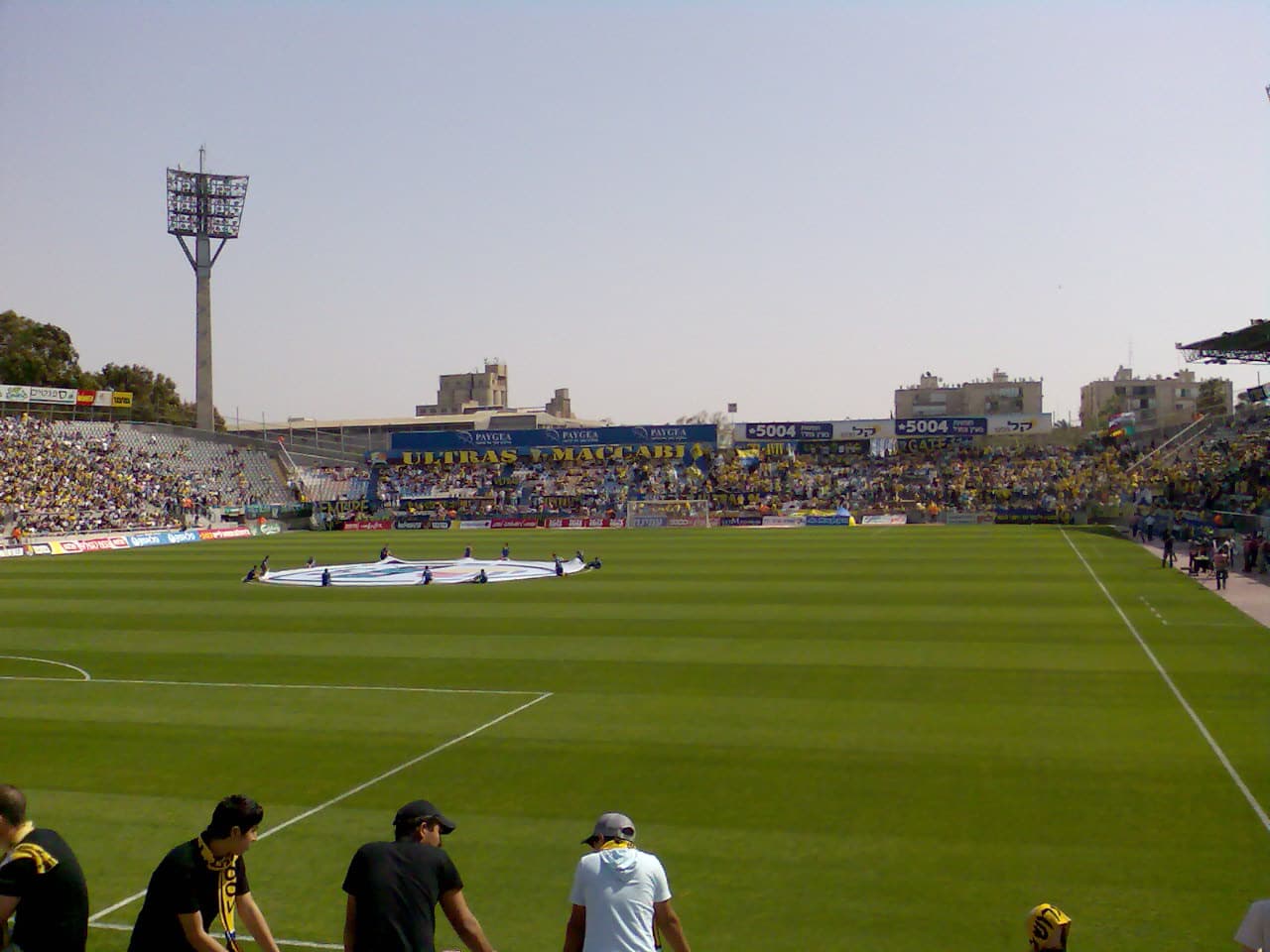
Hapoel Beer Sheva head into one of European football's more intimidating amphitheatres on Tuesday night carrying the thinnest of cushions — a single goal — as they try to close out a Champions League third qualifying-round tie against Crvena Zvezda, Red Star Belgrade.
The first leg, played on August 4 at the Haladas Stadium in Szombathely, Hungary, because Beer Sheva's own ground could not host the fixture, produced an improbable 1-0 win. Zahi Ahmed scored the only goal in the 38th minute, pouncing after a mix-up between the Red Star goalkeeper and debutant defender Derrick Luckassen. Beer Sheva then played more than half an hour with ten men after Matan Baltaksa was sent off, and also had a goal by Eliel Peretz ruled out, yet held on.
That result sets up Tuesday's return leg at 21:00 local time at the Rajko Mitić Stadium — universally known as the Marakana — with a place in the Champions League playoff round on the line for the winner.
Discussing the tie on ONE's Sichat HaYom program, journalist Almog Boker, who was born and raised in Beersheba and covers the south for Channel 12, called the task facing Ran Kojok's side "difficult but not impossible," pointing to the coach's accumulated experience navigating European qualifying rounds with the club.
Boker's central point concerned the atmosphere Beer Sheva will walk into: a Marakana crowd of around 50,000 that he framed as a double-edged sword for the hosts rather than a guaranteed weapon. As he put it, that many fans represent "tremendous added strength" for Red Star — but if the home side fails to find a goal early in the second half, the same crowd can just as easily tip into anxiety and pressure on its own team.
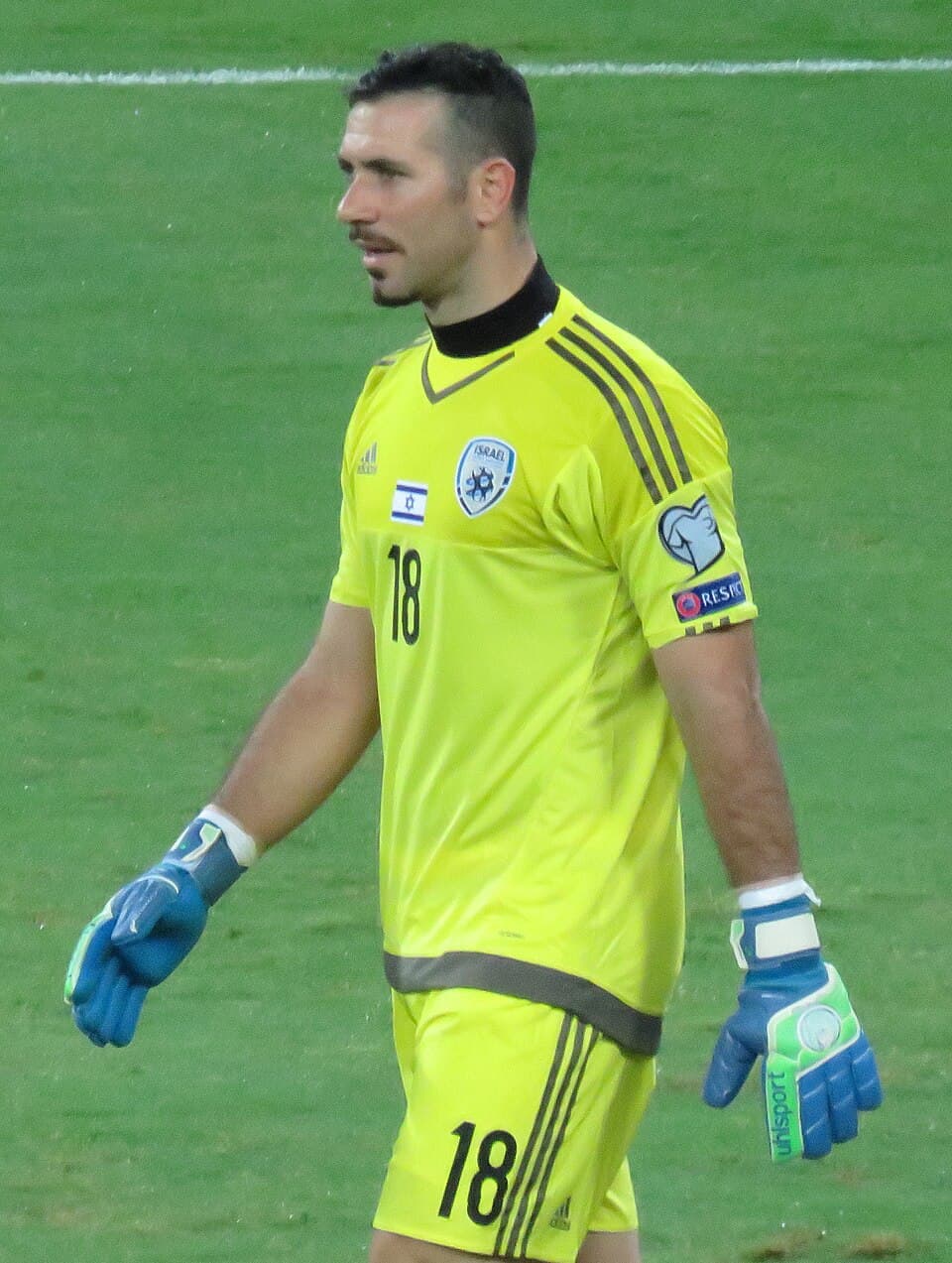
On the pitch, Boker flagged goalkeeper Ofir Marciano's composure as central to Beer Sheva's chances of surviving whatever Red Star throw at them, alongside a broader plea for discipline — avoiding the kind of needless bookings and provocations that cost the team a man in the first leg — and for playing through midfield rather than relying on hopeful clearances under pressure.
His verdict was that a draw in Belgrade would be enough to send Beer Sheva through, even while acknowledging the gulf in stature between the sides. Red Star, he said, are "a better team, certainly at home," but that does not rule out an Israeli side that has already shown it can absorb pressure and defend a lead with numbers against it.
A result either way would carry weight well beyond one tie: reaching the Champions League playoff round would be a significant continental scalp for Israeli club football, while elimination would end Beer Sheva's European run at the final qualifying hurdle.