Hapoel Jerusalem's attempt to refresh their basketball identity has met immediate resistance. A supporter petition against changing the club badge has reached about 1,300 signatures, after season-ticket holders received alternative designs as part of a wider rebranding process — turning what might have remained a marketing exercise into a public argument over who has authority over a club's most recognisable symbol.
The process has already changed course once. A branding company produced an initial design meant to form part of a larger presentation of the club's plans, but that event was postponed and the first proposal did not advance. Revised alternatives were then circulated to season-ticket holders instead. No replacement badge has been adopted, so the current position is consultation under pressure rather than a completed identity change.
The speed of the response is what gives the dispute its weight. An initial count put the petition above 1,200 signatures within roughly two hours of launch; a later update placed it at about 1,300. Those figures do not prove that every supporter opposes a redesign, and they should not be read as a formal referendum. But they do show that a substantial, organised group considers continuity more important than the club expected.
A badge is unusually difficult brand property because it works in two directions at once. Management use it across tickets, merchandise, digital products and sponsorship inventory. Supporters carry it across generations, often long before the current owner, executive team or design agency arrived. Legal control may sit with the organisation, but emotional ownership is distributed through the community.
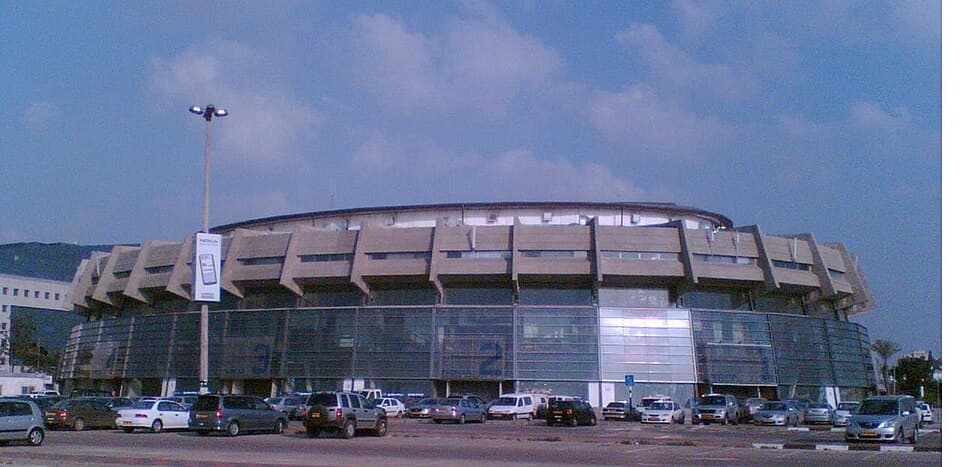
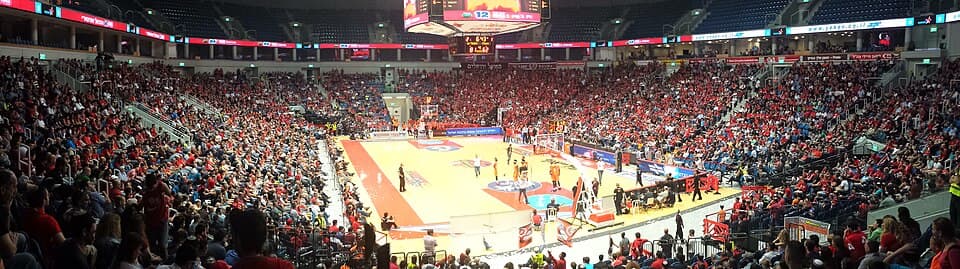
That tension is sharper because Hapoel have made supporter reconnection a stated strategic goal. In January, chief executive Oren Arieli described returning fans to the Arena, improving transparency and listening more systematically as central parts of the club's long-term plan. The new 2026/27 season-ticket model was also presented as a supporter-centred project designed to reward loyalty and bring families back.
Rebranding can still serve a legitimate purpose. A clearer mark can work better on small screens, simplify merchandise and give commercial partners a consistent system to build around. But design efficiency is not the only measure of success for a sports badge — if the process weakens trust among the very people the club wants to bring home, a technically stronger logo can become a strategically weaker asset.
Hapoel now have several defensible routes open to them: retain the existing badge, modify one of the alternatives, or continue consultation before selecting a new mark. The strongest next step would be to explain the problem the redesign is meant to solve, and to publish how supporter feedback will shape the decision.
Until the club chooses and announces a final badge, the alternatives remain proposals — and the petition remains a warning rather than a verdict.