Hapoel Tel Aviv's squad boarded a flight to Hungary on Tuesday morning, the first physical step in a return to European football that the club has waited twelve years for. Thursday's opponent in Miskolc is Ludogorets Razgrad of Bulgaria, in the first leg of the Conference League's second qualifying round.
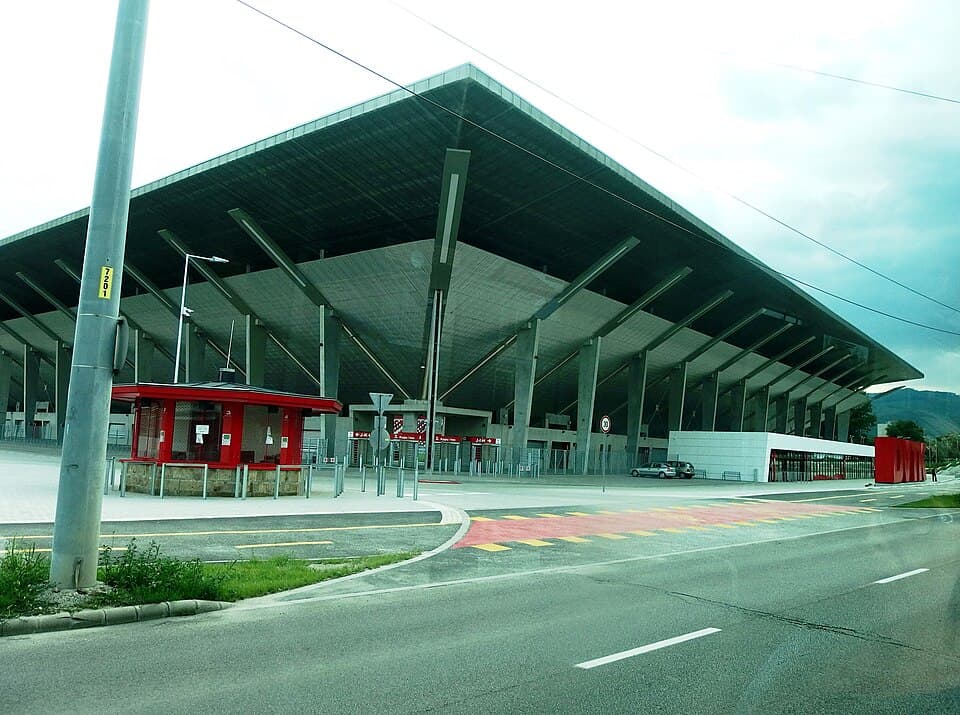
The tie is technically a home game for Hapoel, but it will not be played anywhere near Bloomfield Stadium. UEFA competition matches involving Israeli clubs are currently being staked out at neutral venues abroad, and Hapoel settled on the DVTK Stadium in Miskolc, roughly an hour and forty minutes from Budapest, as its adopted ground for the campaign.
The stadium itself is a modern 2018-built arena seating around 14,600, home to Hungarian second-tier side Diósgyőri VTK. It is an unglamorous stand-in for a club used to European nights in Jaffa, but it is the venue that will decide whether Hapoel's continental return starts with a lead or a deficit heading into next Thursday's second leg in Bulgaria.
Twelve years is a long gap by any measure. Hapoel Tel Aviv's last European fixture came in Europa League qualifying in the summer of 2014; since then the club has watched the tournament from the outside while rivals like Maccabi Tel Aviv and Maccabi Haifa took turns representing Israeli football abroad. Getting back required finishing last season strongly enough to qualify, and the draw against Ludogorets was not the kind teams hope for at this stage — the Bulgarian champions are a regular continental fixture themselves.
Squad news travelling with the party is thin on transfer activity and heavier on fitness. Winger Roy Kurin and goalkeeper Dor Benyamini are both missing through injury, leaving head coach Elyaniv Barda without a couple of options he might otherwise have leaned on for a first continental test in over a decade.
The mood among the players who did make the trip, relayed through the club's own channels to one.co.il, was described in blunt, human terms rather than the usual pre-match boilerplate: excitement mixed with nerves, players openly admitting to "butterflies in the stomach" before a fixture of this size. The accompanying message was one of focus — a recognition that continental football punishes the kind of lapses that pass unnoticed in the domestic league.
That domestic form, at least, is with them. Hapoel go into the Ludogorets tie fresh off eliminating Beitar Jerusalem from the Toto Cup, needing a penalty shootout to get there after the sides were level 2-2 at full time. It was not the cleanest way to open the season, but it was a win, and Barda is expected to make few changes to the group that saw it through.
Fan interest has been considerable. More than 3,500 tickets had already been sold in the build-up to the trip, with the club anticipating a travelling contingent north of 5,000 supporters descending on Miskolc for Thursday's kick-off — a striking number for a match being played roughly 2,500 kilometres from home, and a measure of how much the club's return to Europe means to its fan base after over a decade away.
Should Hapoel get a result in Hungary, the tie will be settled a week later in Bulgaria, where Ludogorets have long been one of the continent's most difficult away trips for Israeli clubs. For now, though, the story is simpler: a squad short on recent European experience, landing in a country that isn't actually their opponent's, trying to make an adopted stadium feel enough like home to survive the first leg.