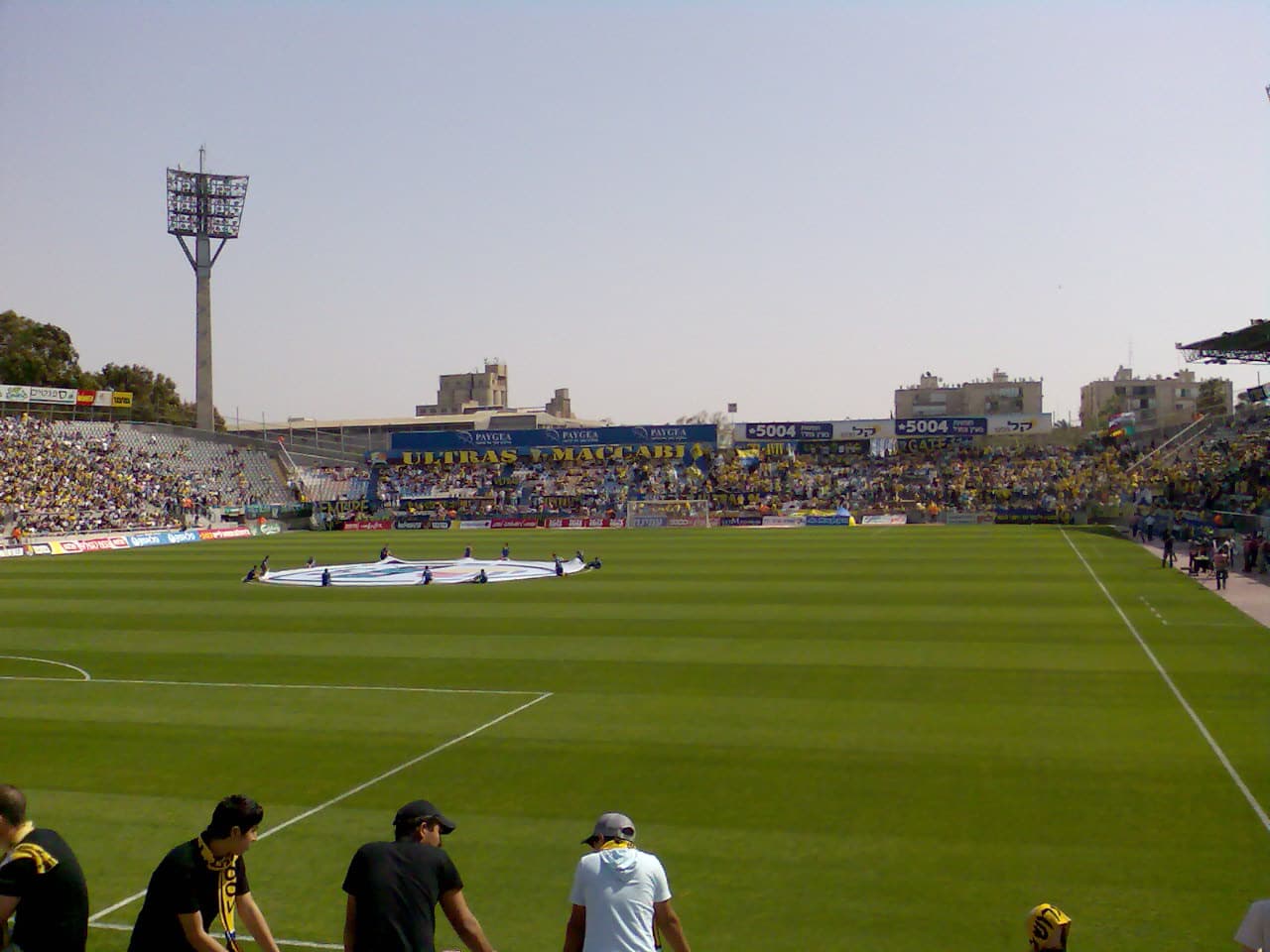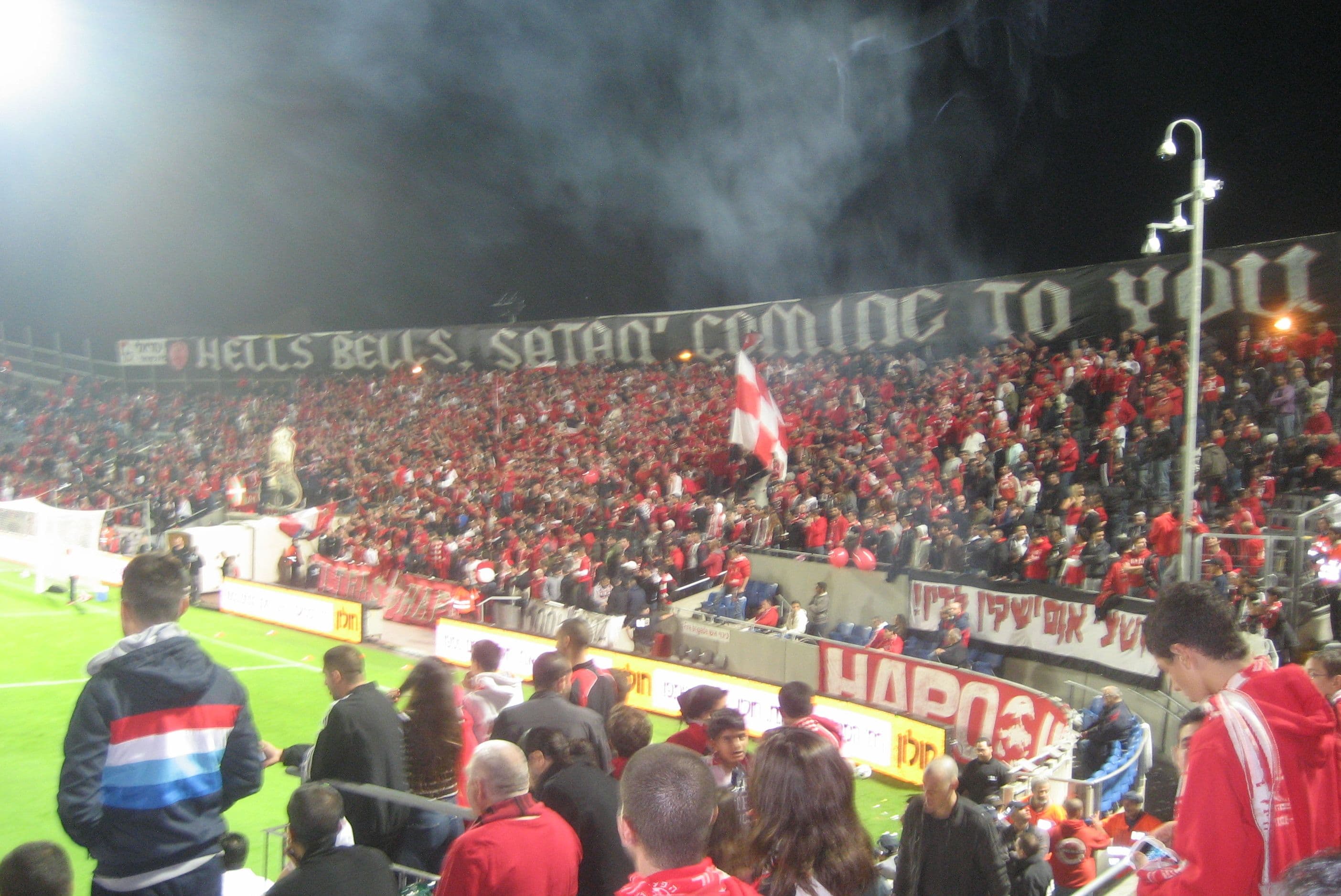
Israeli football has reported substantial reductions in two of its most persistent stadium problems: racist chanting and pyrotechnic devices thrown onto the pitch. The new totals are encouraging, particularly because they follow a deliberate change in disciplinary policy. But they are not yet a complete measure of supporter behaviour. The available figures count convictions or identified incidents, not every occurrence, and they offer no per-match or per-attendance denominator.
The racism figures behind the headline decline: 19 club convictions in the first six months of the 2025/26 season, before the amended rules took effect, against five in the following four months. As a raw count, five is 74% lower than 19. But because the periods are unequal in length, that is not the same as a 74% fall in the monthly rate — the average moves from about 3.2 convictions a month to 1.25, a reduction of roughly 61%. Both calculations point the same way; only one adjusts for time.
The rule change was approved by the Israel Football Association in December and took effect on 1 February 2026. Its official notice expanded the disciplinary response to racism and discrimination: higher, escalating fines, restrictions on away-ticket sales, and the option for clubs to submit structured prevention programmes. The design tries to shift incentives before an offence occurs, rather than leaving post-match punishment as the entire policy.
That domestic trend has to be read alongside a separate FIFA decision. In March, world football's governing body found multiple breaches of the disciplinary provisions covering offensive behaviour and discrimination, fined the IFA CHF150,000, issued a warning and ordered a prevention plan. The new conviction totals do not cancel that ruling, and the ruling does not prove the later measures failed — the two address different periods and different institutional questions.
The pyrotechnics comparison spans a longer stretch of time. Fifteen cases of devices being thrown onto the playing surface were recorded in 2022/23, against eight in 2025/26 — close to a 50% reduction. That distinction matters for safety: a flare in a stand and an object landing on the pitch are not the same risk.
Yet the published totals again lack the number of fixtures monitored, the competitions included, and a consistent account of detection methods, so they should be read as an indicator rather than a final incidence rate.
Policy can move those numbers through more than severity alone. A sanction that targets away access or competitive consequences gives organised supporter groups a direct incentive to police their own section, while club prevention plans can address education, reporting and stewarding. The risk is that a lower disciplinary total may also reflect under-reporting or shifting enforcement rather than genuinely better behaviour. Public confidence will depend on transparent definitions and season-by-season data, not isolated percentages.
The most responsible conclusion is positive but provisional. Racism convictions fell sharply after the February amendment, even once the unequal time periods are corrected, and pitch-thrown pyrotechnic incidents are well below the 2022/23 total. The next step is to publish match-normalised figures, distinguish allegations from convictions, and show whether the improvement survives a full season under the new rules. If it does, Israeli football will have evidence of behavioural change rather than only a favourable snapshot.