A useful preview of a sporting week should do more than list fixtures and attach predictions. The serious task is to identify the mechanisms through which those events can change. Five current stories present five distinct problems: control after losing the ball, occupation of attacking space, roster construction, knockout-game management and the tactical consequences of a substantial time advantage. They belong to different sports, yet each is ultimately a test of how a team distributes risk.
That framing matters because outcomes alone can conceal the quality of a decision. A football side may survive several dangerous transitions and still have protected the ball poorly. A basketball roster may add the most recognisable available guard without solving the combinations around him.
A cycling leader can finish safely in the bunch while his rivals have nonetheless increased the future cost of defending the jersey. The score records what happened; structure helps explain whether it can happen again.
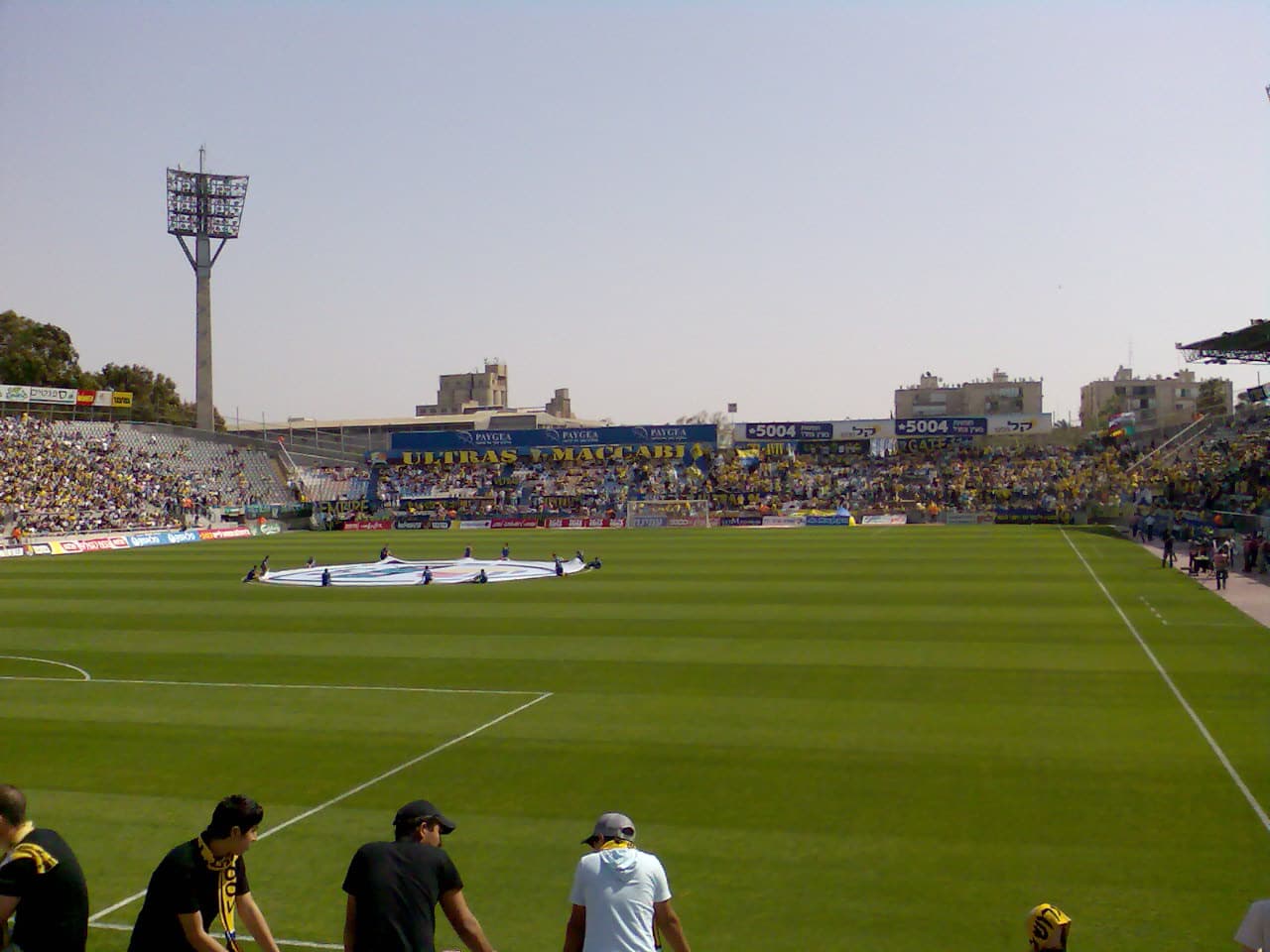
Hapoel Be'er Sheva's Champions League tie with Víkingur Reykjavík begins with rest defence. Víkingur advanced 3–2 on aggregate against Győr and scored twice away in Hungary, evidence that they can damage a tie when space opens beyond an opponent's first attacking line.
Be'er Sheva therefore need sufficient protection behind the ball when their full-backs advance. An uncontrolled turnover can convert a patient attack into the away transition that defines a two-legged contest, and an opening assignment in Iceland increases the value of controlling game state rather than forcing an early breakthrough.
For Oscar Gloukh, the more revealing question at Ajax is where and when he receives, not simply how many goals and assists he accumulates. A permanent central role requires him to appear between the opposition midfield and defence without depriving Ajax's build-up of an accessible first pass.
Look for receptions on the half-turn, progressive actions after central touches and the speed with which he counter-presses after losing possession. Those details will show whether Gloukh is becoming part of the team's organising structure or remains a gifted specialist inserted for particular attacking situations.
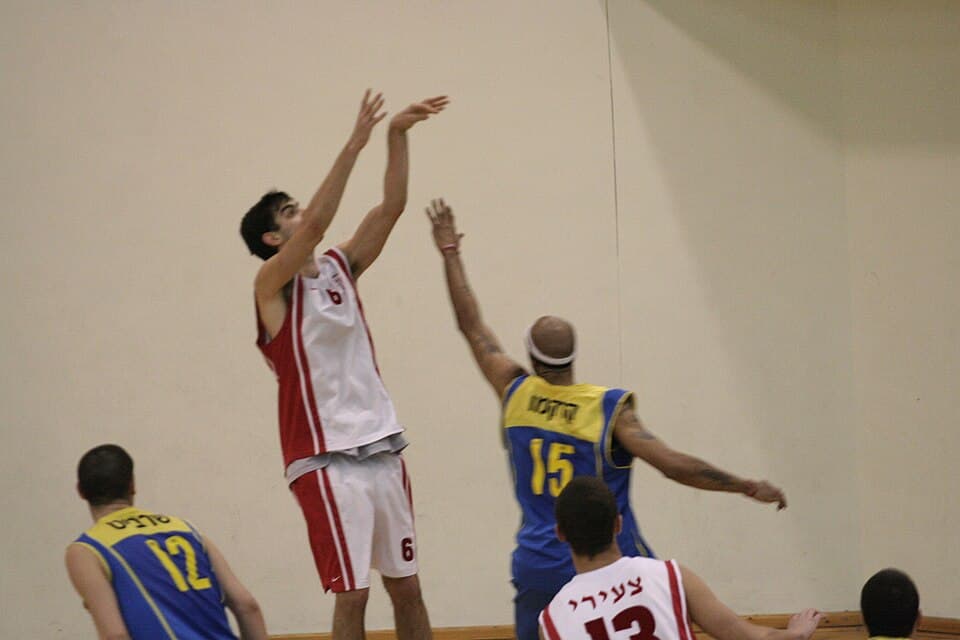
Tomáš Satoranský presents Hapoel Tel Aviv with a roster problem rather than a simple recruitment question. At 2.01 metres, he can see and pass over smaller guards, defend a wider range of match-ups and share the court with another ball-handler without sacrificing backcourt size.
His possible classification as a local player has strategic value because registration status affects how import places can be allocated elsewhere. The decisive issue is therefore not whether he would be named the starting point guard, but which five-man units his size, secondary creation and administrative status would make available.
Spain's 2–0 semi-final victory over France offers a different lesson in knockout control. Mikel Oyarzabal's penalty established the favourable game state and Pedro Porro's 58th-minute goal forced France to commit greater numbers.
The clean sheet should not be reduced to last-ditch defending around the box. Spain also limited the frequency with which their own possession losses became open-field French attacks. Reproducing that protection behind wide advances will matter in the final, when chasing an extra attack could be less valuable than denying the opponent one clean transition.
At the Tour de France, Tadej Pogačar's advantage of three minutes and 36 seconds over Jonas Vingegaard changes the burden of initiative. Pogačar's team can monitor the composition of breaks, choose which climbs require a direct response and make rivals spend energy merely to create uncertainty.
Vingegaard's side needs situations capable of recovering minutes rather than seconds. That points towards cumulative pressure: increasing fatigue before the decisive ascent, separating the leader from team-mates and accepting the possibility that an ambitious move also creates losses. Time is a strategic asset for one team and an active opponent for the other.
The five cases also show why 'aggression' and 'caution' are inadequate analytical labels. Be'er Sheva can attack with numbers while remaining conservative about the spaces they leave. Gloukh can play between the lines without abandoning the build-up.
Hapoel can make an ambitious signing whose greatest value is flexibility rather than usage. Spain can dominate possession while treating transition prevention as an attacking responsibility. Visma can race aggressively long before Vingegaard launches a visible attack. The location and timing of risk are more informative than the emotional language attached to it.
Each proposition is observable. Watch Be'er Sheva's spacing behind their attacks, Gloukh's reception zones, Hapoel's guard combinations, Spain's protection when wide moves break down and the point at which Visma-Lease a Bike begin spending riders to destabilise the Tour.
Those details will not make the week predictable. They will, however, separate explanations from reactions — and reveal which teams understood the problem they were trying to solve before the result supplied its own, often misleading, story.