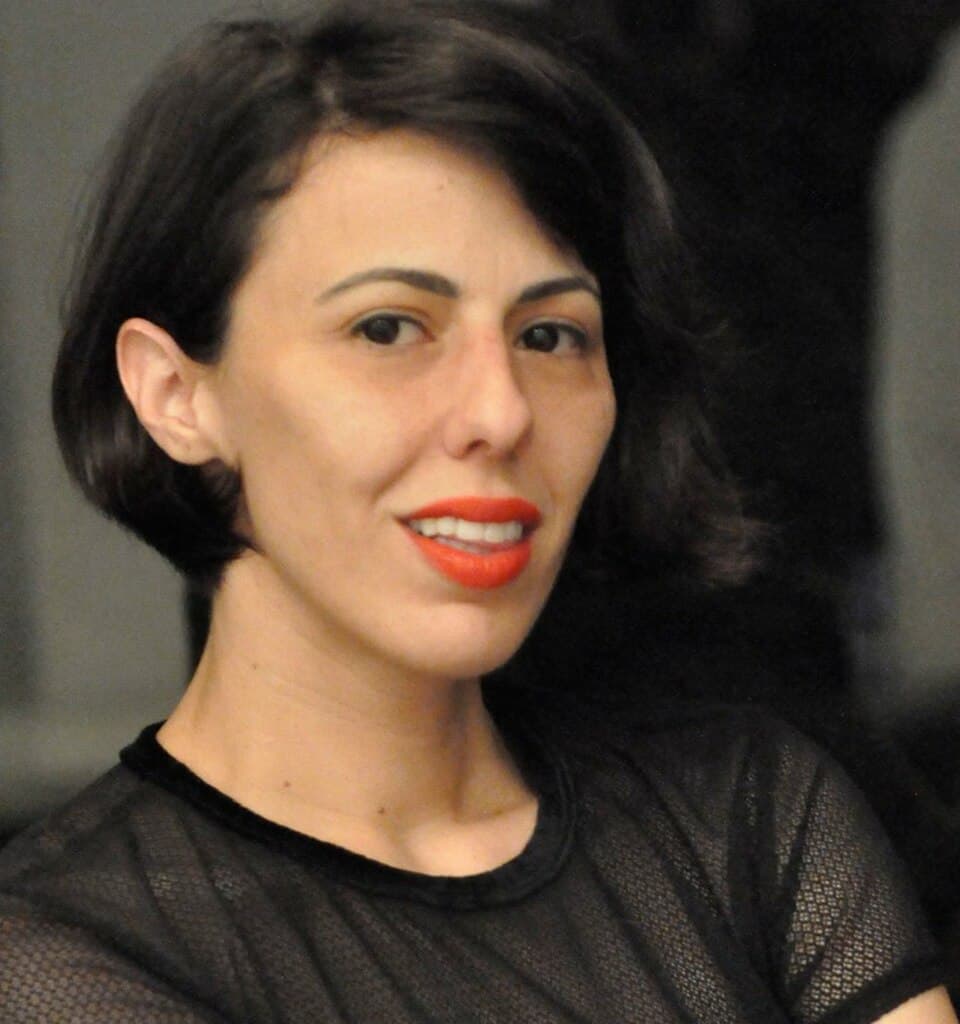
Itamar Chizhik does not do half-measures when he is angry, and on Israeli sports channel ONE this week he let go with both barrels at the reform that just swept through Israeli football's player status system. "Players are not an Excel spreadsheet — it's a shame and a disgrace, what's being done," he said, in an interview that doubled as a farewell shot at the body he used to lead.
Chizhik, for close to fifteen years the chief executive of Maccabi Haifa before stepping down in 2016, later returned to the game as chairman of the Israeli Football Association's Player Status Institute — the panel that rules on compensation disputes when young players move between clubs. He has just resigned that post, after the association pushed through changes that folded the institute's powers into a new arbitration body staffed largely by legal arbitrators rather than football people.
His central complaint is process. "Not only did nobody speak to me, nobody spoke to the committee," Chizhik said, arguing the shake-up rides roughshod over the association's own bylaws, which he says spell out exactly how such decisions must be reached. Among the practical changes he singled out: the panel of arbitrators has been cut from three to one, a reduction he says removes the checks and balances that used to shape rulings on sensitive transfer disputes.
To illustrate what he means by clubs being reduced to numbers on a spreadsheet, Chizhik pointed to the case of Daniel Worko, the young Israel youth international who left Hapoel Ramat Gan for Beitar Jerusalem this year. Hapoel Ramat Gan, who developed him, had sought roughly 1.2 million shekels in development compensation; the panel settled on just 240,000 shekels. "That's simply a shame and a disgrace," Chizhik said, framing it as a case study in how the new mechanism undervalues the clubs that actually raise talent.
The wider worry he raised is structural: if compensation caps are set too low, academies and lower-division clubs lose the financial incentive to keep developing players, since they will rarely see a meaningful return once those players move on to bigger clubs.
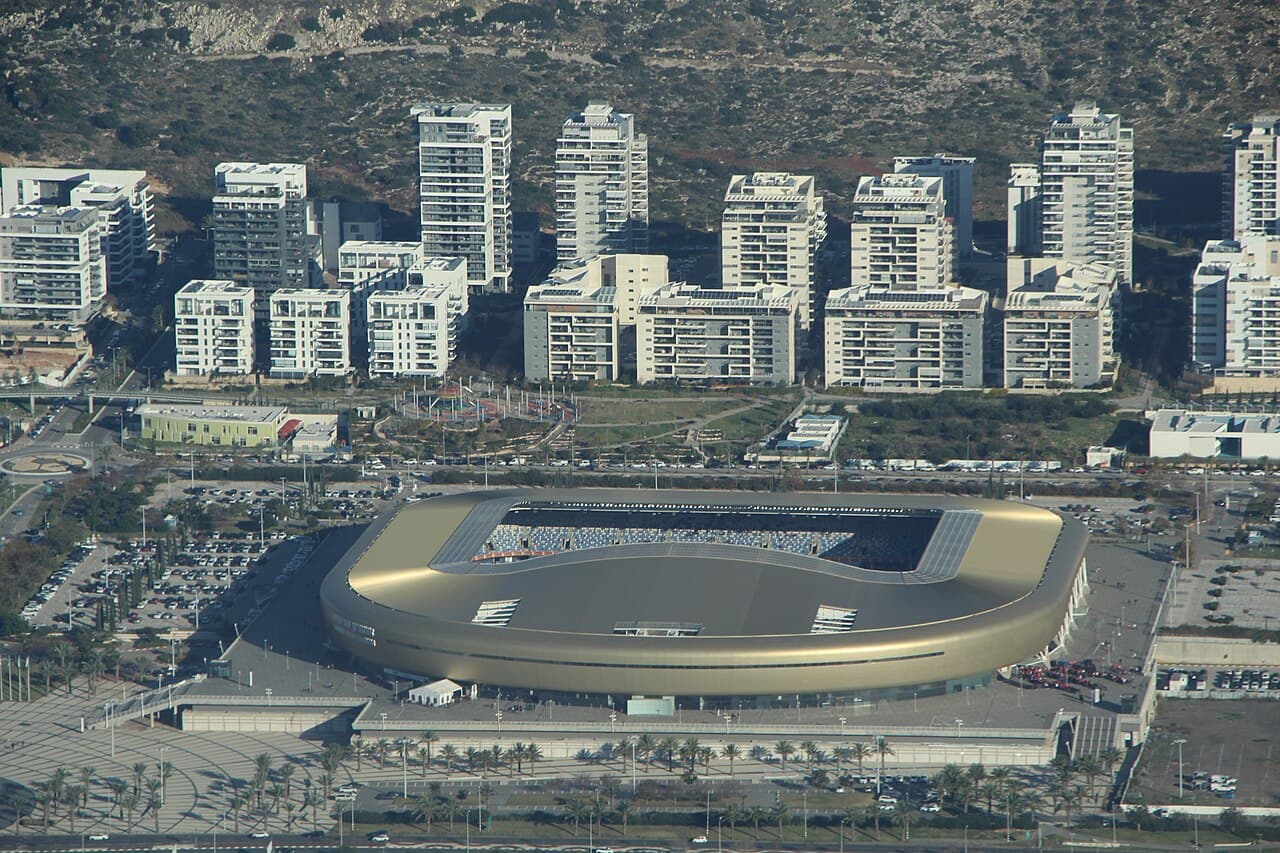
Chizhik then turned to the club he ran for the best part of two decades. Maccabi Haifa, he said flatly, will not be competing for the championship this season. His reasoning centred on a squad he considers short at the back and thin up front — he described the team as having only one genuine senior striking option, with alternatives fit mainly to be introduced from the bench late in matches rather than to start and carry a title challenge.
He also took aim at the club's off-field restructuring, questioning the decision to install Lior Refaelov — the former Belgian-league star only recently retired from playing — as Maccabi Haifa's professional director. Chizhik suggested Refaelov, appointed to the role in late May, would be better used as a coaching consultant close to the pitch than as the executive shaping the club's broader football strategy, and argued Haifa would be better served trusting its academy graduates than chasing further outside recruitment.
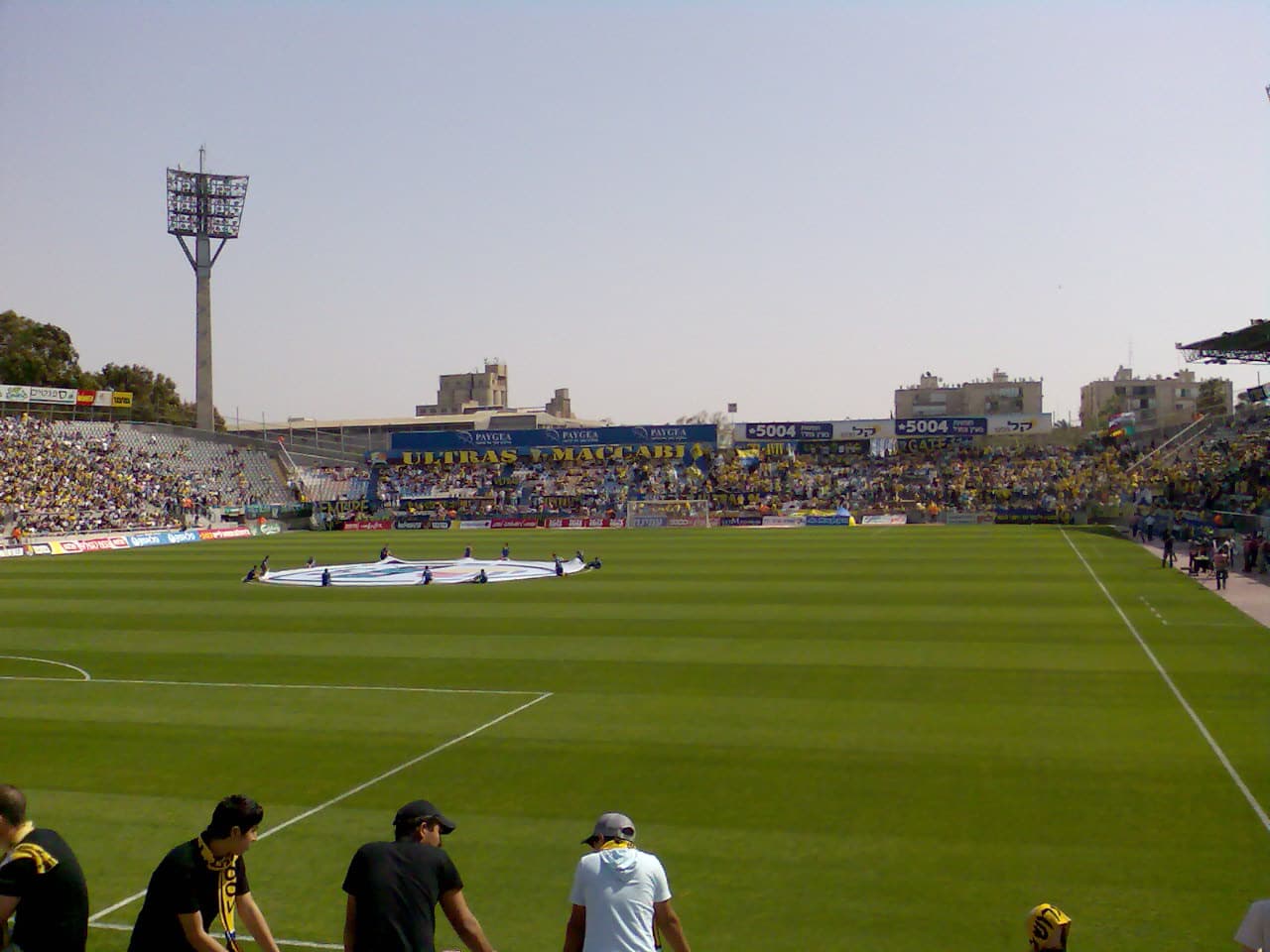
Asked about the supporter unrest that has trailed Maccabi Haifa into the new season — the Green Apes ultras group has staged stand walkouts and banner protests targeting owner Yaakov "Yankele" Shachar — Chizhik sided with the club's ownership. He said the fans had "crossed a line of good taste" with their demonstrations, adding that Shachar's contribution to the club over the years deserved more credit than the protests were giving him.
Taken together, it was a rare public airing of grievances from one of the more respected administrative figures in Israeli football — aimed as much at the corridors of the association as at his old club's boardroom.