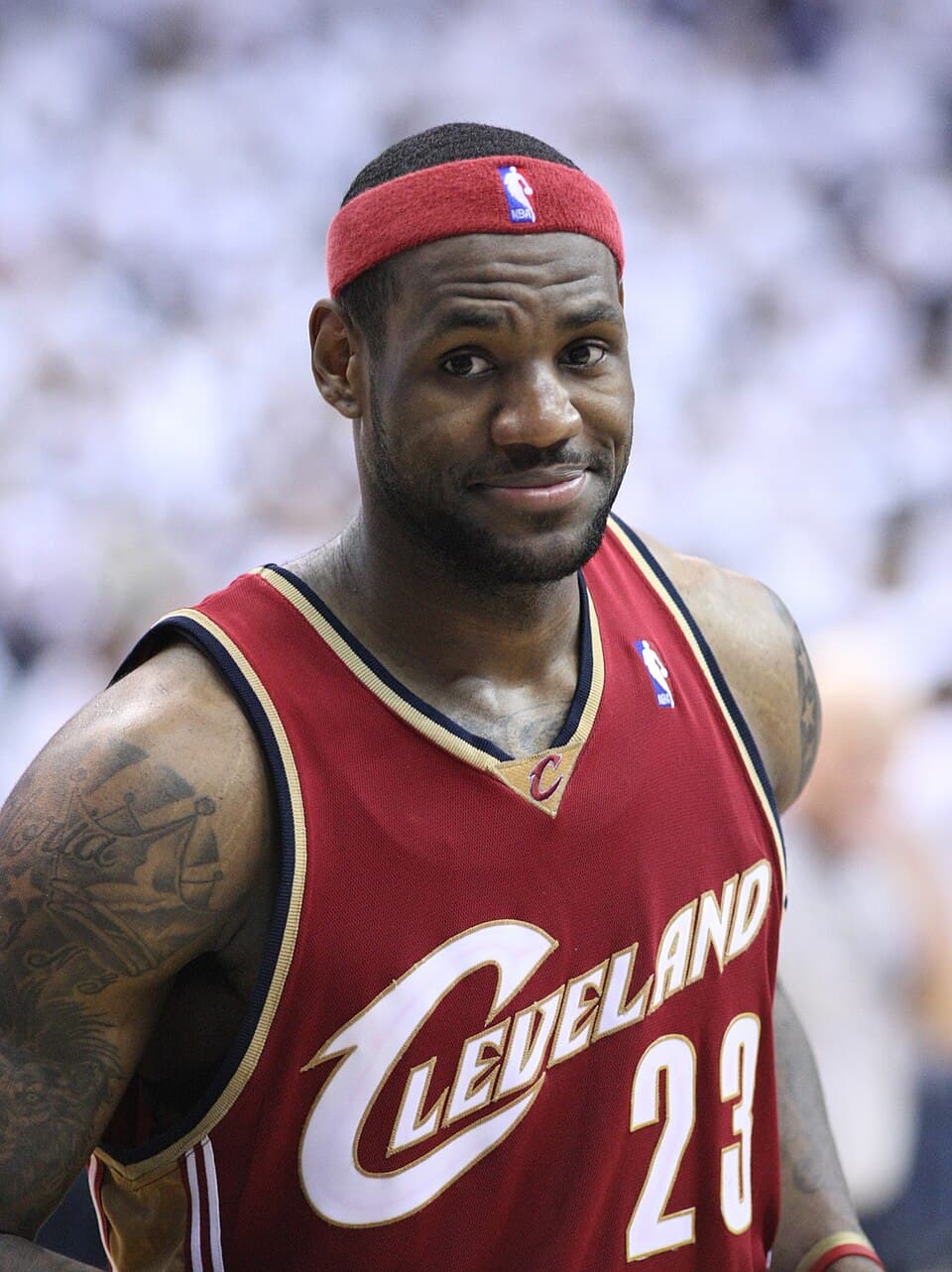
LeBron James just agreed to a minimum-salary contract with the Philadelphia 76ers, the kind of pay cut that would rattle most 40-year-olds changing teams. James can shrug it off: according to a breakdown published by ONE, he has earned roughly $1.7 billion since turning professional in 2003 — and only a fraction of it came from playing basketball.
Of that total, ONE reports, about $550 million came from NBA salaries across 23 seasons, while some $1.15 billion has flowed in from endorsements, licensing, merchandise, investments and media ventures — the off-court machine that has made James one of the wealthiest athletes in history regardless of what any single team pays him to play.
Even this past season, business dwarfed basketball. ONE puts his 2025-26 earnings at an estimated $132.6 million, with $80 million of that generated away from the court, enough to reclaim his spot as the NBA's highest earner after Stephen Curry briefly overtook him.
The foundation was Nike. The company signed James to a deal worth more than $100 million before he had played a single NBA minute, then tore up convention in 2015 with a lifetime contract that his manager, Maverick Carter, said would pay out at least $1 billion over James's career — a commitment previously reserved for Michael Jordan. Coca-Cola and Upper Deck were among his other early sponsors, according to the report.
It is James's investment portfolio, though, that has done the heaviest lifting for his net worth over the past decade. The standout is a 2011 stake in Liverpool, taken through Fenway Sports Group when the Premier League club was valued at around $550 million. ONE puts Liverpool's current valuation at roughly $5.74 billion, a return that independent business reporting has separately described as one of the most lucrative investments in modern sports.
His media company, SpringHill — the operation built around SpringHill Entertainment and the Uninterrupted platform — was valued at $725 million when James sold a minority stake in 2021 to investors including RedBird Capital, Fenway Sports Group and Nike, a deal later folded into the production company Fulwell 73.
All of it, ONE reports, places James fourth on the list of history's highest-earning athletes once inflation is factored in, behind Michael Jordan, Tiger Woods and Cristiano Ronaldo — a ranking built less on box scores than on two decades of shrewd off-court deal-making.
The figures land at a pointed moment. James this week signed a one-year, minimum-salary contract with the 76ers, a deal reported by Forbes and Sportico to pay him a fraction of his usual NBA salary. For the league's only sitting billionaire, that pay cut barely registers against an empire built to run independently of his playing contract.