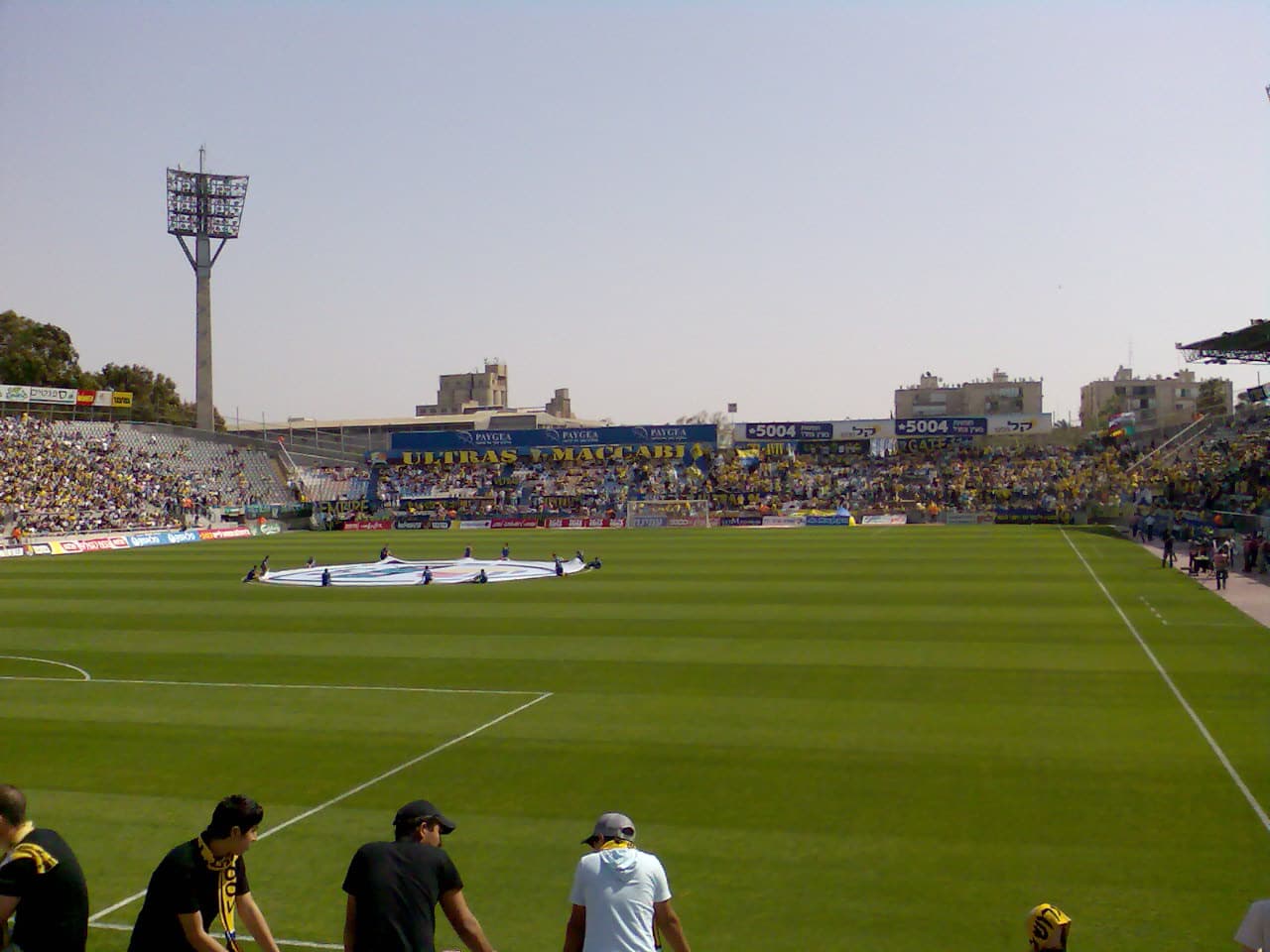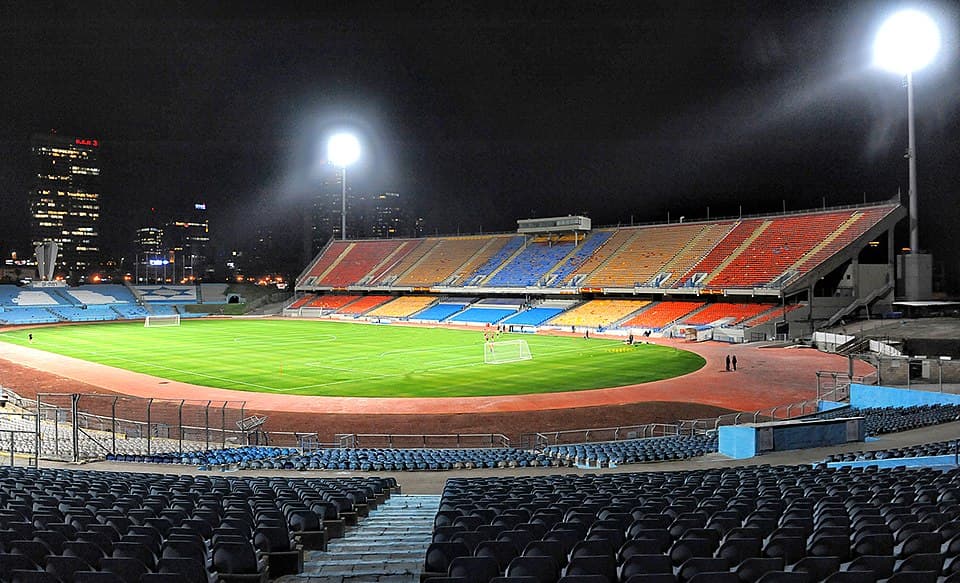
Hapoel Ramat Gan have signed Brazilian forward Luan Campos on a two-year contract with an option for a third season. The promoted club's announcement was carried consistently across three reports, including the contract structure and the player's ability to operate on either wing or through the centre.
The authoritative registration trail identifies him more precisely than the announcement alone. The Turkish Football Federation lists his full name as Luan de Campos Cristino da Silva, his date of birth as 19 March 2002 and his nationality as Brazilian. Its record also shows his Sivasspor registration and subsequent departure to Romania in February 2026.
Romania's professional league places Campos with Oțelul Galați as an attacker wearing No. 99. A claim-specific match record from 2 May lists him in Oțelul's starting XI, confirming that the Romanian spell was not simply a paper registration. Together, those records establish the identity and immediate career route behind Ramat Gan's signing.
Campos developed in the Palmeiras system and also spent time with América Mineiro before moving into European football. His subsequent path through Portimonense, Veres Rivne, Sivasspor and Oțelul has not been linear, but it has exposed him to several tactical environments and the practical demands of adapting quickly to a new league.
That flexibility matters to a promoted team. Ramat Gan need more than one fixed left winger; they need an attacker who can change the width of the team, move inside when the striker vacates space and cover multiple roles without forcing a substitution.
Campos gives the coach those possibilities, although his place and best position will have to be earned in training.
The contract also balances commitment with control. Two guaranteed seasons offer stability to a player entering a new country, while the extra-year option protects the club if he establishes himself in the top flight. For Ramat Gan, that is a more sustainable structure than a one-season gamble that would require another full negotiation just as the player becomes valuable.
No signing should be treated as proof that a promoted side has solved its attacking problems. Campos must still translate movement into chances, adapt to the pace and physical contact of the Israeli league, and build relationships with full-backs and central midfielders. His recent record supplies evidence of senior competition, not a guaranteed goal total.
What Ramat Gan have secured is a credible profile for their next step: 24 years old, positionally versatile, experienced across several European leagues and tied to a deal long enough for development. The signing becomes genuinely successful only if that range is turned into a defined role, rather than leaving Campos as a useful player without a settled place.