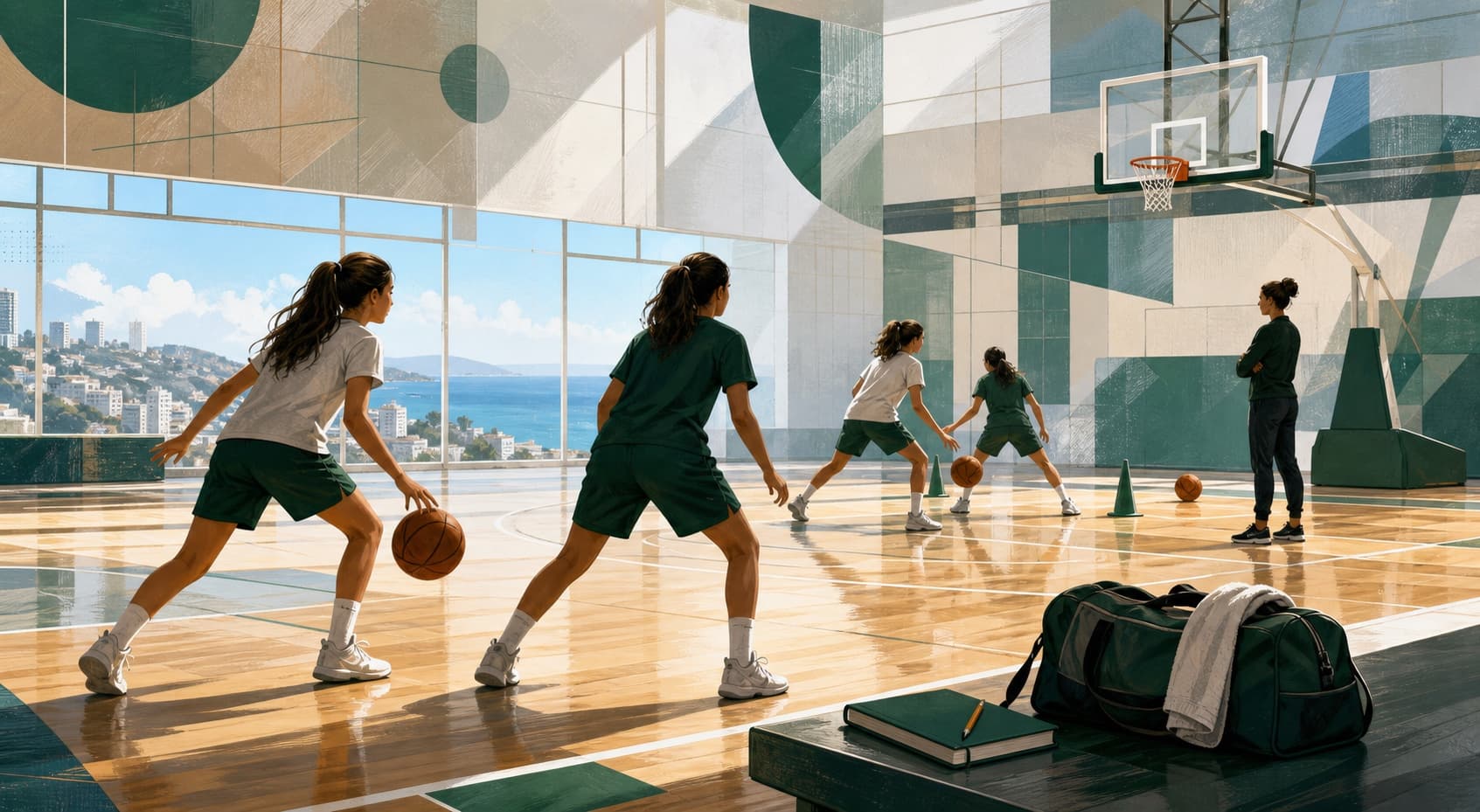
Maccabi Haifa Women's Basketball has opened an academy with the Hebrew Reali School, giving teenage players a structured way to combine high-level training with their secondary education. The programme is open to players from ninth grade upward, and it hands the city something it lacked: a defined pathway for girls who want serious basketball without stepping outside their normal school life.
The arrangement joins a club already competing inside the Israel Basketball Association system with one of Haifa's established schools. Its ambitions go beyond fielding a strong team. The academy is meant to support athletic, academic and personal development under a single structure, rather than leaving families to piece those elements together on their own.
That distinction carries real weight in youth sport. Training loads typically climb sharply through the teenage years, just as exams and travel start eating into a player's time. A school-club model can manage those competing demands more deliberately than either side working alone, though the academy has yet to publish a full timetable, an admissions process or a coaching roster.
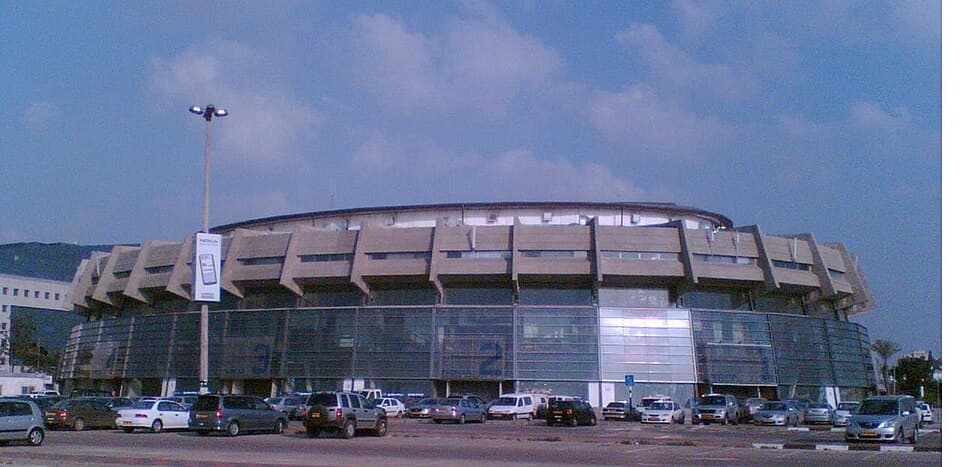
There is already a competitive base to build on. Maccabi Haifa Women's Basketball is registered under team code 2198, with Ilan Beck and Rinat Kahana listed as club representatives and its home venue recorded at 19 Bikurim Street in Haifa. The club's girls' upper-group side finished its most recent campaign with 12 wins and two losses from 14 games, according to the association's published table.
That record matters because it means the academy is extending an active pathway rather than inventing one on paper. A player entering in ninth grade can draw a straight line between structured development work and a club that is already competing in the national girls' framework — a link that narrows the gap between introductory youth basketball and a genuinely competitive setting in northern Israel.
The launch was billed as a regional first and drew Sports Minister Miki Zohar and Haifa mayor Yona Yahav, lending the opening civic weight. But the programme's real test will come later, in details still to be settled: coaching quality, training access, academic coordination, and how many players stay in the sport through their later teenage years.
For Maccabi Haifa, the payoff is a clearer route to identifying and keeping local talent. For the Reali School, it offers a formal structure for students whose sporting commitments already resemble those of elite athletes. The framework is now in place; the evidence that will matter comes with the first full season's intake, staffing and competition schedule.