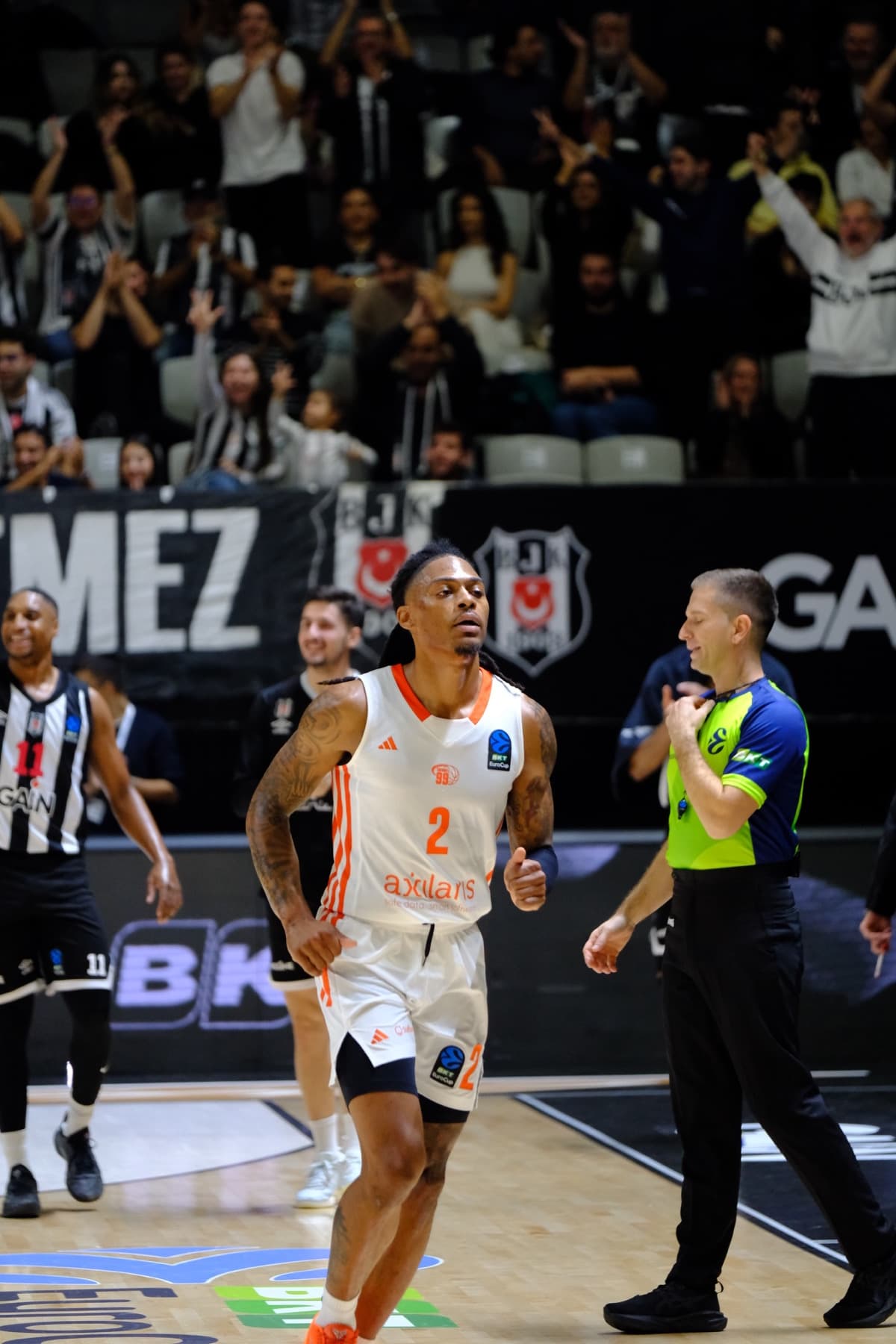
Ironi Kiryat Ata have added Nike Sibande to their backcourt, a 1.93-metre guard whose recent European résumé takes in Spain's Liga Endesa and a EuroCup season with NINERS Chemnitz. The signing gives Kiryat Ata a physically stronger perimeter option who is comfortable attacking from either guard spot, reshaping a rotation that has already retained Tomer Asayag.
Sibande was born in Indianapolis on 6 June 1999 and is listed by FIBA as representing Uganda as well as holding United States nationality. His official EuroCup profile names him as a guard and records NINERS Chemnitz as his 2025–26 club.
That blend of size and international experience should let Kiryat Ata vary defensive match-ups without changing personnel whenever an opponent switches between a small point guard and a bigger scoring guard.
His college career was already a study in adaptation. Sibande moved from Miami University in Ohio to Pittsburgh and was named the Atlantic Coast Conference's Sixth Man of the Year in 2023 — recognition for a player who learned to influence games without needing every possession run through him, a useful trait for an import joining an Israeli rotation with established domestic guards.
The professional path since has ranged even wider. Sibande began with Kataja in Finland, then played for Maroussi and Merkezefendi before reaching Spain with Girona, and Darüşşafaka and Chemnitz added two more tactical environments along the way. Kiryat Ata are therefore not asking a first-year professional to solve the usual problems of travel, scouting adjustments and shifting roles at the same time as he learns the league.
The ACB's official record lists 25 league appearances for Girona in 2024–25. The number matters less as a headline than as evidence of the level he has already had to process: Liga Endesa demands quick reads in pick-and-roll coverage, disciplined off-ball positioning and the ability to manufacture a usable possession late in the shot clock. Kiryat Ata are buying into that accumulated experience as much as any single scoring average.
Tactically, his value starts with pressure. A guard of his size can attack a switching defender, crash the defensive glass to start transition, and absorb contact when the first option does not open a clean lane. Kiryat Ata will still need to settle how much primary creation he carries and how the shooting load is spread around him, but the signing widens the range of line-ups in which the team can defend with comparable size across three perimeter positions.
What comes next is integration rather than reputation. Sibande has changed leagues repeatedly in the early part of his career, so role clarity will matter — who initiates the offence, where he receives the ball, and which opponent he guards to start games. If Kiryat Ata can make those responsibilities stable, his broad résumé gives them a guard built for more than one kind of contest.