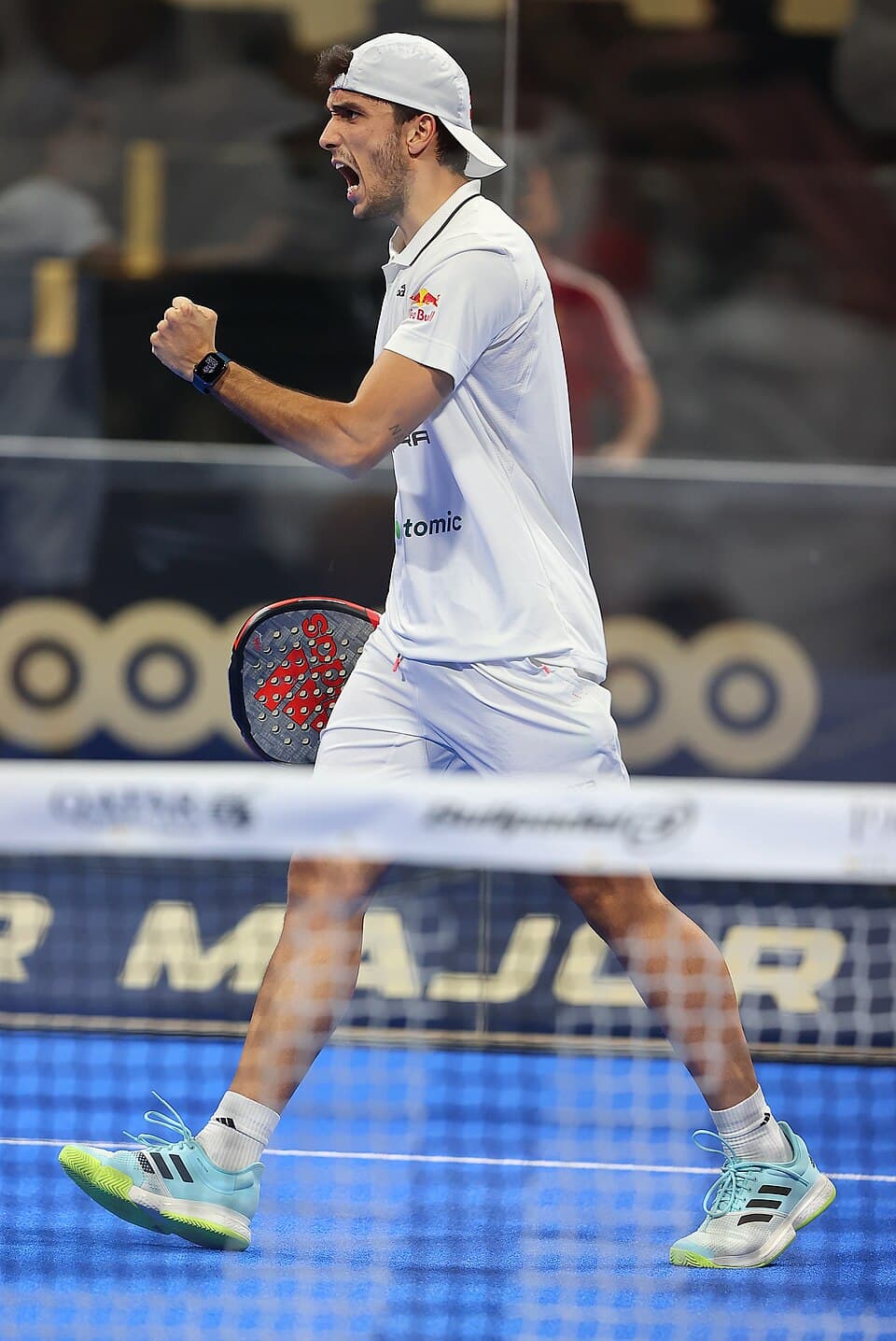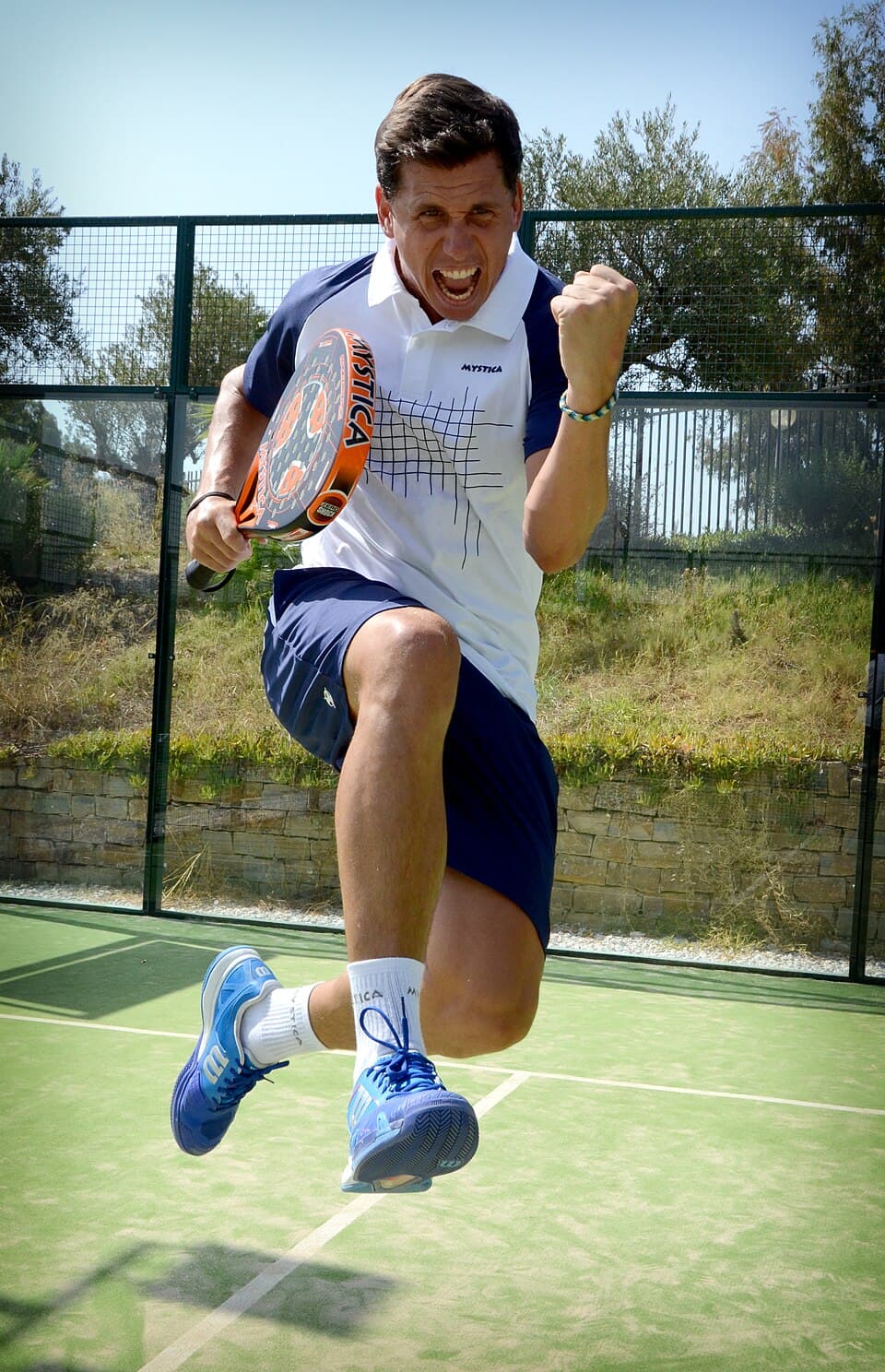
Padel's most theatrical showman has done it again. Paquito Navarro, the Seville-born former world No. 1, produced a shot at an exhibition event in Ibiza that has split opinion across the sport: brilliant improvisation to some, a clear breach of the rulebook to others.
The clip, filmed during a clinic and exhibition match Navarro played at Can Pádel Ibiza in the relaxed, crowd-pleasing atmosphere typical of pre-season showcases, shows the ball arriving near the net. Navarro struck it, then left his paddle hanging over the net on his opponents' side as they attempted to play their return, appearing to interfere with the follow-up.
The moment came days before Navarro and his partner, the Argentine Martín Di Nenno, were due to compete in the Premier Padel P1 event in Pretoria, South Africa, and it quickly spread on social media as fans and rivals debated whether the point should ever have stood.
Padel's laws do allow a paddle to finish its swing on the opponent's side of the net, provided two conditions are met: the ball must already have crossed fully onto the striker's side before contact, and neither the paddle nor the player may touch the net or the opposing court during the stroke.
What is explicitly illegal is making contact with the ball before it has crossed the net line — and that is exactly the point of contention in Navarro's shot. Slow-motion replays circulating online have not settled the argument, with the timing of ball and net crossing close enough to read either way depending on the angle.
It is far from the first time the 37-year-old has generated this kind of debate. Navarro, world No. 1 alongside Juan Lebrón in 2019 and now partnered again with Di Nenno, has built a reputation over the years for instinctive, showman-style shots that regularly test the limits of padel's net-crossing rules, on top of run-ins over conduct at official tournaments.
No governing body has ruled on the exhibition point, which carried no competitive consequence, but the clip has reopened a wider conversation among players and coaches about how strictly padel's follow-through rule should be interpreted — and enforced — when the margins are this tight.