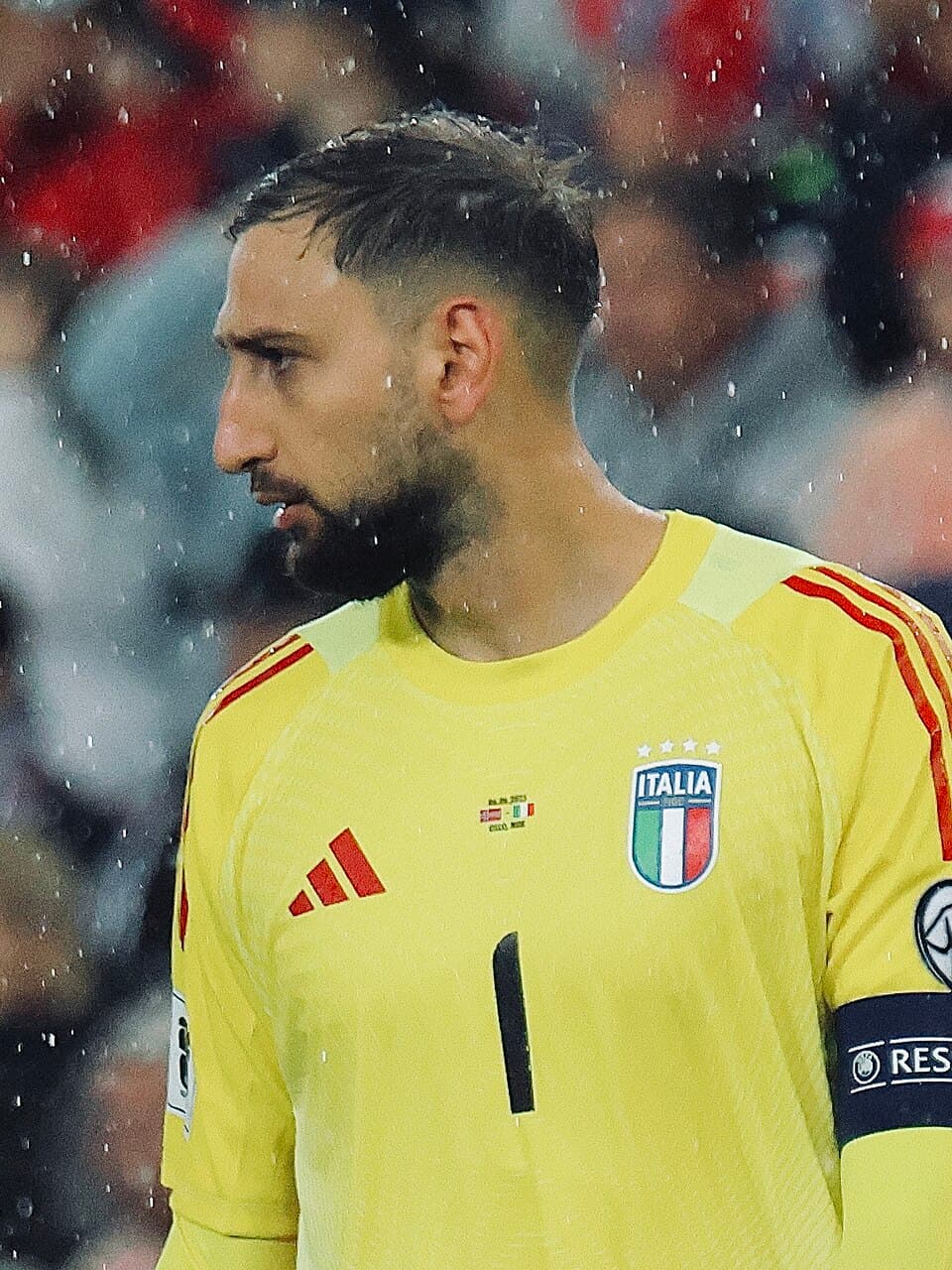
When Gianluigi Donnarumma sank to the turf inside the hour at Elland Road last November, nobody in the stadium guessed the stoppage would end up rewriting a law of the game. As Manchester City's goalkeeper received treatment, Pep Guardiola used the free break to gather his outfield players for fresh instructions — and City went on to win 3-2 through a late Phil Foden goal. Leeds manager Daniel Farke was livid afterwards, accusing Donnarumma of a 'fake injury' that let City 'bend the rules.' English football has now acted.
According to a report by Israeli outlet ONE, the sport's authorities are introducing a new law for the 2026/27 season aimed squarely at goalkeepers who go down injured to buy their team a break in play. The Football Association confirms that from next season, any player who receives on-field assessment or treatment — or whose injury stops the match — must stay off the pitch for at least one minute once play resumes, up from the previous 30 seconds.
The change follows an independent stakeholder survey commissioned by the Premier League: 73% of respondents said goalkeeper time-wasting was a genuine problem, and 85% pointed specifically to goalkeeper 'tactical time-outs' — moments when a keeper goes down and forces a total stoppage that an outfield injury does not require, handing the bench a free team talk.
Unlike an outfield player, a goalkeeper cannot simply walk off for a minute without leaving his team without a shot-stopper. ONE reports that the fix settled on gives the manager a short window — around 10 seconds — to nominate an outfield player who serves the one-minute absence in the goalkeeper's place, with the captain forced to leave instead if no name is given in time. Neither the Premier League nor the FA's published law summary spells out that exact selection mechanism in the same detail, though the underlying principle — that someone from the team must sit out a full minute whenever a goalkeeper's treatment halts the game — matches the confirmed rule change.
The one-minute sanction applies, in the FA's wording, 'barring certain exceptions' — a category expected to cover collisions between team-mates, fouls committed on the goalkeeper himself, visible bleeding, suspected concussion and injuries serious enough to require an immediate substitution.
It sits alongside a wider set of changes to next season's laws: a five-second countdown for goal kicks and throw-ins, after which possession switches to the opponents, and a 10-second limit for substituted players to leave the field. It also builds on an earlier IFAB reform limiting goalkeepers to eight seconds of holding the ball before conceding a corner, part of a running campaign — one FIFA's chief refereeing officer Pierluigi Collina has spoken about publicly — to squeeze dead time out of matches.
Farke himself stopped short of accusing City of cheating. 'It is within the rules,' he said afterwards. 'If we don't educate our players in football, what to do in terms of fair play, sportsmanship... it is nothing I personally like, but if it is within the rules I can't complain about it.' His comments, and the broader frustration with goalkeeper stoppages, appear to have fed directly into the review that produced the new law.
As with most contested amendments to the laws of the game, the change begins as a trial in English football before IFAB, the sport's global lawmaking body, assesses its impact ahead of possible wider adoption from 2027/28. For coaches like Guardiola, the free tactical timeout via an injured goalkeeper may be numbered — someone in his XI will now have to pay for it.