Two days on from Ferran Torres's extra-time strike at MetLife Stadium, the dust is settling on the 2026 World Cup — and the conversation has moved from who lifted the trophy to what the tournament actually revealed about the state of the men's game.
Spain beat Argentina 1-0 in Sunday's final, with Torres converting a Nico Williams assist in the 106th minute after Argentina had played the closing stages of normal time and all of extra time a man down, following Enzo Fernández's second yellow card in second-half stoppage time. Lionel Messi, in what may be his final World Cup appearance, did not score.
It was Spain's second world title, sixteen years after their breakthrough triumph in 2010, and it came with a personal milestone for head coach Luis de la Fuente: at 65, he became the oldest coach to win a World Cup. His side arrived in North America as reigning European champions too, having beaten England 2-1 in the Euro 2024 final in Berlin — with, fittingly, Mikel Oyarzabal scoring the winner both then and again from the penalty spot in this tournament's semifinal.
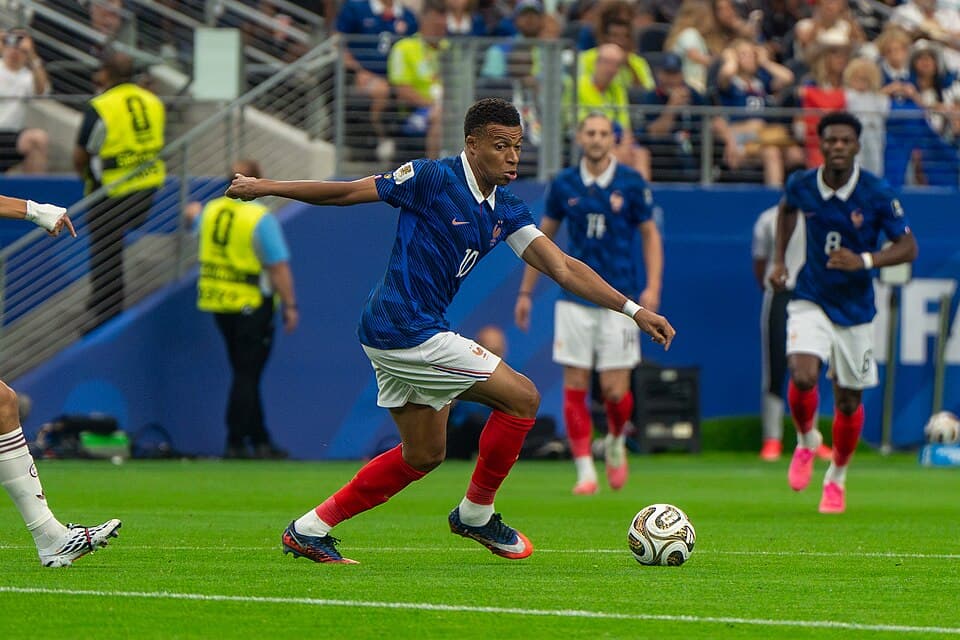
That semifinal, a 2-0 win over France on July 14 in Arlington, Texas, was Spain's statement result. Oyarzabal opened the scoring from the spot after Lucas Digne fouled teenager Lamine Yamal, and France's vaunted attack did not manage a shot on target until well past the hour mark. Kylian Mbappé's best chance, a 67th-minute effort that deflected off Marc Cucurella, drifted just wide.
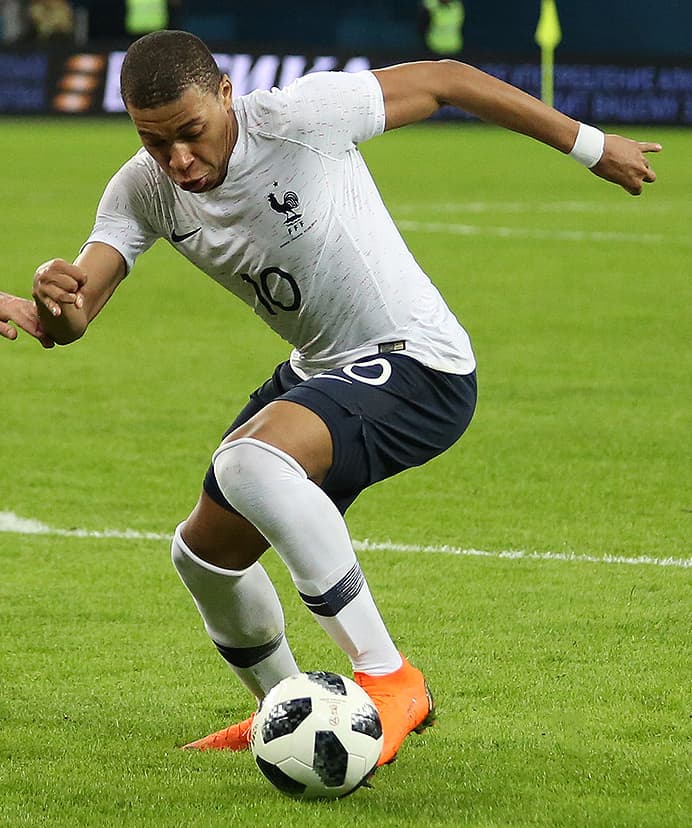
That was the one match all tournament in which Mbappé failed to score. He still finished with the Golden Boot — 10 goals, matching Gerd Müller's single-tournament haul from 1970 — and became the first player in World Cup history to win the award in consecutive editions, adding this one to his 2022 tally. His 22 career World Cup goals now put him one clear of Messi's 21, the new all-time record.
The tournament was less kind to two of the sport's most decorated club coaches, hired specifically to end their federations' trophy droughts. Carlo Ancelotti's Brazil were eliminated in the round of 16 by Norway, 2-1, undone by a late Erling Haaland double — Brazil's earliest World Cup exit since a group-stage elimination in 1966. The Brazilian federation chose to keep him on regardless, with Ancelotti calling it "the start of a new cycle" rather than an ending.
Thomas Tuchel's England fared considerably better, beating that same Norway side in the quarterfinals before losing to Argentina in the semifinal — the best run by any team with a foreign-born coach at this World Cup, and the only foreign-coached side to reach the last four. Even so, the pattern that has held since the first World Cup in 1930 continued: no team led by a coach who is not one of its own nationals has ever won the tournament.
The other storyline to follow Spain and Mbappé out of this tournament was FIFA's introduction of mandatory three-minute hydration breaks in each half — ostensibly a player-safety measure for matches played in North American summer heat, but ones broadcasters were permitted to fill with advertising. Britain's press coverage was blunt about what that produced: outlets described the breaks as nudging football toward a four-quarter structure more familiar from basketball or American football than from the sport's traditional 45-minute halves.
Tuchel himself said the breaks altered a match's identity and broke its momentum; Uruguay coach Marcelo Bielsa dismissed them as adding nothing to the game. The commercial logic was straightforward regardless of the football complaints — analysts estimated the breaks generated more than $250 million in US advertising alone, and close to $1 billion worldwide across the tournament's 104 matches.
Layered on top of that was the now-familiar complaint about the expanded 48-team format itself: a bloated group stage that produced more lopsided fixtures and, critics argued, diluted the tension that used to define the tournament's opening weeks. It is a debate that has followed the format since FIFA first approved it, and this World Cup did little to settle it either way.
What is settled, for now, is the hierarchy at the top of the men's game. Spain leave North America with a European and a world title within two years of each other, a squad built around Yamal, Williams and Oyarzabal that looks set to stay together, and a coach who has quietly become one of the most successful in the sport's history. The arguments over how the World Cup is packaged and sold will run into the next cycle; who actually wins it, for now, is not much in doubt.