UEFA is pulling all 55 of its member federations into an emergency virtual meeting this week, alarmed by a FIFA plan to sell outside investors a stake in a new commercial vehicle built to run the World Cup and its other flagship events.
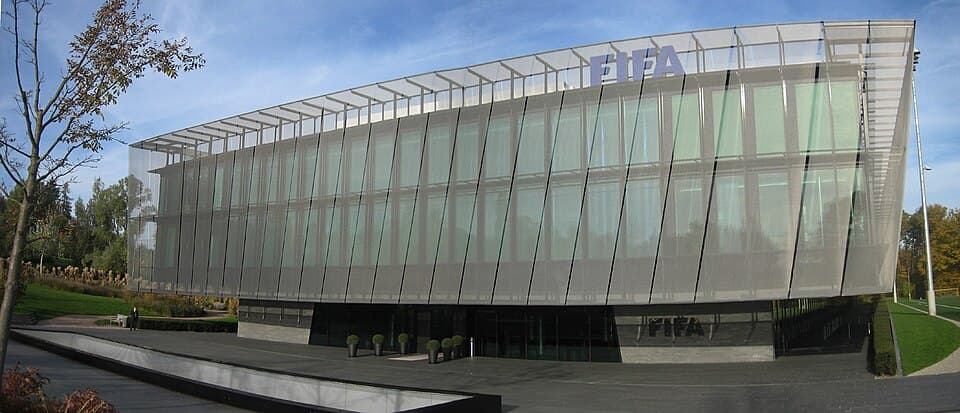
The proposal, first reported internationally and covered by ONE, centres on a subsidiary FIFA is calling FIFA Forward Enterprise. It would bundle broadcasting, sponsorship, ticketing and licensing rights together with tournament operations, then sell minority, non-controlling stakes to private investors.
According to reporting on the plan, FIFA has pitched an initial equity valuation of roughly $20 billion for the new entity, with an eye on raising as much as $4.2 billion from outside capital later this year. Thrive Capital, the firm led by Josh Kushner, has emerged as the investor group expected to lead the deal, with JP Morgan advising.
FIFA's pitch to its member associations is financial: the governing body says the arrangement would push football development funding beyond $10 billion, with grants of roughly $40 million flowing to each of its 211 member federations, ONE reports.
UEFA is not buying the framing. In a statement quoted by ONE, the European body said "the soul and governance of football are not assets to trade" — a line echoed in wider reporting, where UEFA has also said the plan "crosses a line that football's governing institutions should never cross" and insisted "none of us are the owners of football, it is not FIFA's to sell."
The fan advocacy group FSE went further, with ONE quoting its demand for accountability at the top of the game: "The World Cup is not for sale, enough with this farce" — language that amounts to a call for FIFA president Gianni Infantino to step down.
UEFA, under president Aleksander Čeferin, has now summoned its full membership — all 55 national federations across Europe — to an emergency session this week to hash out a common response, rather than let individual associations react piecemeal to a plan they say they learned about largely through the press rather than official FIFA channels.
Other confederations have voiced similar frustration. CONCACAF and the AFC in Asia have both said they found out about the equity-sale proposal through media reports rather than direct communication from Zurich, adding to the sense that Infantino moved on this without building consensus first.
It is not the first time UEFA has used the threat of collective action to check an Infantino initiative. FIFA shelved its plan for a biennial World Cup back in 2021 after facing down a similar wall of European opposition, and reporting around this week's meeting suggests a boycott threat is being discussed again as leverage, though no formal decision has been taken.
FIFA maintains that any restructuring of this scale would still need sign-off from its member associations and its ruling Council before it could proceed — meaning this week's UEFA gathering is as much about shaping that eventual vote as it is about registering protest.
For now, the story is a governance fight rather than a settled outcome: FIFA has not walked back the proposal, and UEFA has not confirmed what form its pushback will take once its 55 members compare notes.