A seat in Spain's official federation allocation for Sunday's World Cup final can cost as much as $8,680. The published table for the Argentina–Spain showpiece lists premium tickets at that figure, with standard seats priced at $5,575 and a value category at $4,185. Those are face values in US dollars, not resale mark-ups — and even the cheapest of the three main categories sits far beyond an ordinary matchday purchase.
The allocation mechanism complicates that headline number. Participating federations receive eight per cent of the net saleable capacity for each of their matches. Spain invited supporters to request knockout tickets before knowing whether the team would advance that far, promising refunds if elimination made a booking unusable. Once Spain qualified for a given knockout match, the federation said there would be no further chance to buy from that allocation.
FIFA has built a sharply different entry point alongside it. Its Supporter Entry Tier fixes a limited share of tickets at $60 for every match, including the final, with each national federation setting its own eligibility and distribution rules for that ten per cent slice of its allocation. FIFA says a further 40 per cent goes to the Supporter Value Tier, leaving the remaining half split evenly between Standard and Premier categories.
The $60 offer is real, but it does not make the final a broadly affordable event. It is a narrow, protected route inside an allocation whose other published prices run into four figures, and demand alone decides how many eligible supporters actually secure it. For everyone outside that tier, the official price table shows that face value can rival the cost of a major holiday — before flights, accommodation and local travel are even added.
This structure reflects FIFA's wider pricing policy. The governing body says it can adapt prices between sales phases after reviewing demand and availability, though it distinguishes that process from automatic dynamic pricing. Its stated goals are to optimise revenue and maximise attendance — objectives that, at a final between two global teams under extreme demand, pull hard against the idea that a meaningful share of the stadium should stay within reach of the fans who followed their teams there.
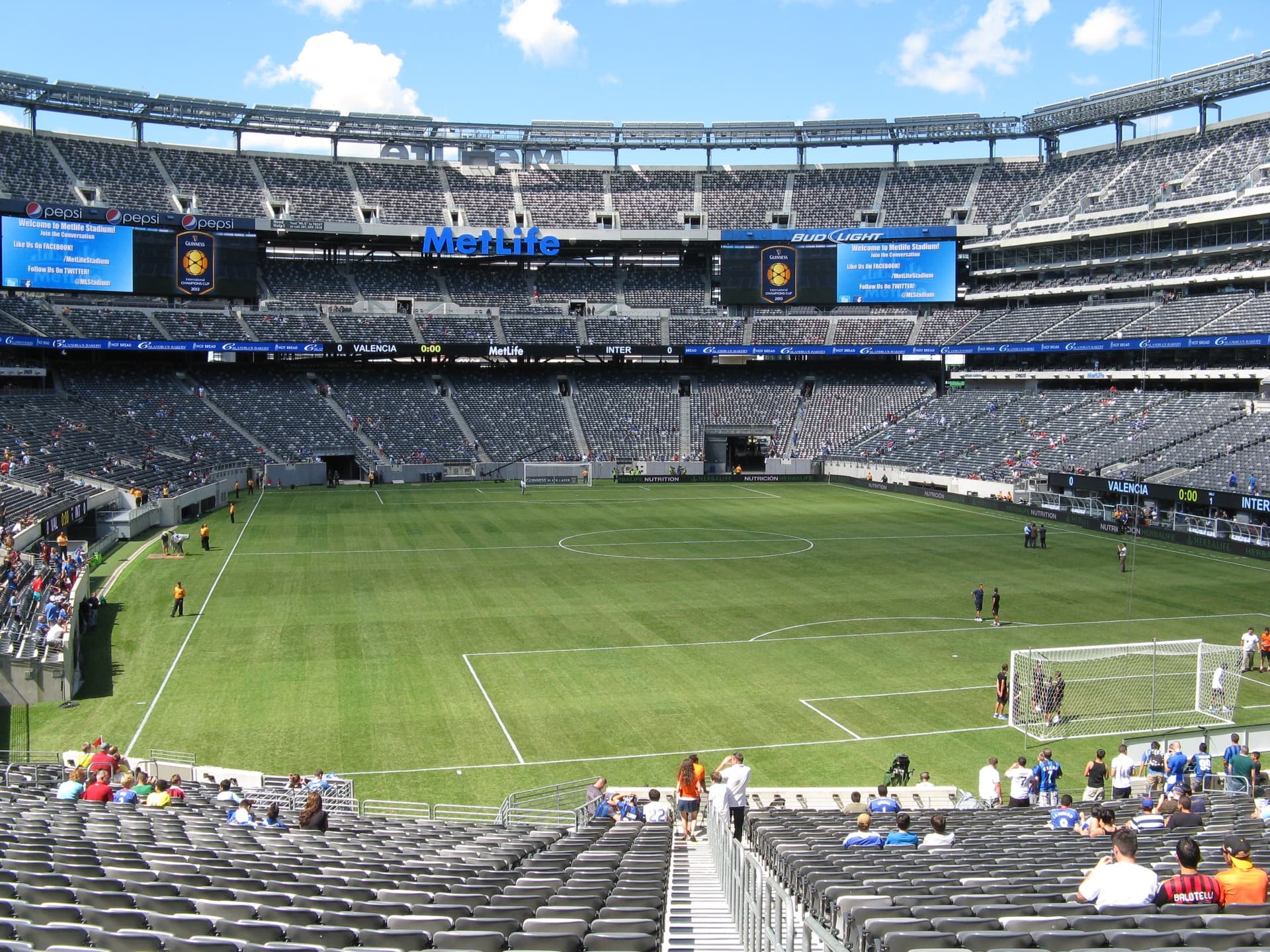
Argentina and Spain meet at New York New Jersey Stadium on Sunday after contrasting semi-finals. The defending champions recovered from Anthony Gordon's goal to beat England 2–1, while Spain controlled France in a 2–0 win. The final gives Lionel Messi a chance to retain the trophy and Spain a shot at a second men's world title — precisely the kind of occasion where demand will overwhelm any affordable supply.
The real issue, then, is not whether a $60 ticket exists or an $8,680 one finds a buyer. Both can be true at once. What matters is how much of the stadium is genuinely reachable at each price point, and how clearly that distribution is communicated to the public. A final presented as a global occasion now runs on radically different access lanes — a small protected supporter tier, expensive federation categories and a wider market shaped by scarcity. The football will decide the champion. The ticket map has already decided who gets to watch from inside.