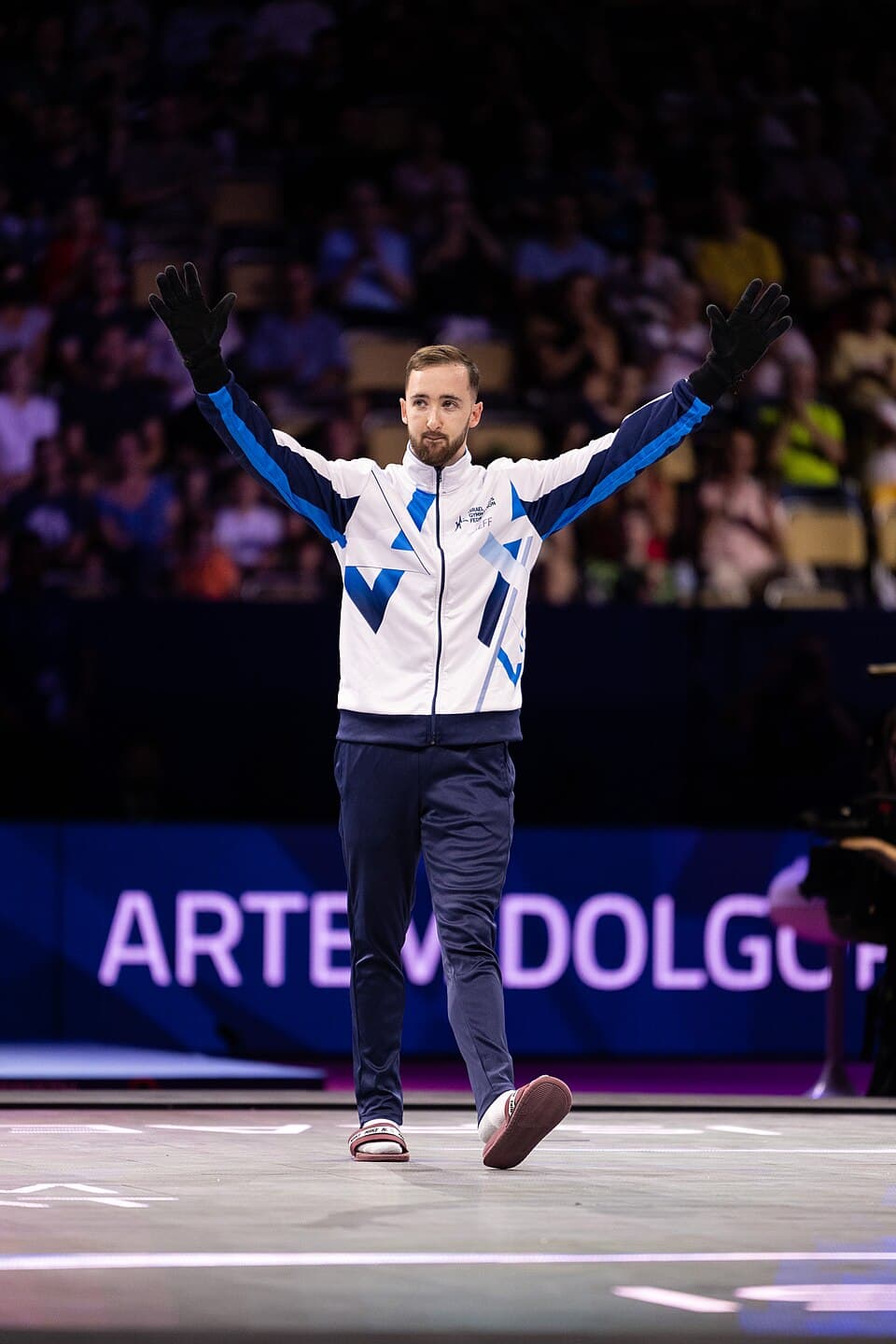
Artem Dolgopyat stood on top of the podium in Zagreb last Friday with his third European floor exercise title around his neck, but in a special interview with Ynet he admitted how close he had come to believing he no longer belonged there at all.
"I experienced a crisis," the Olympic champion said, describing the period after a fall at last year's European Championships. "I had doubts about my abilities. I asked myself if I was still worthy."
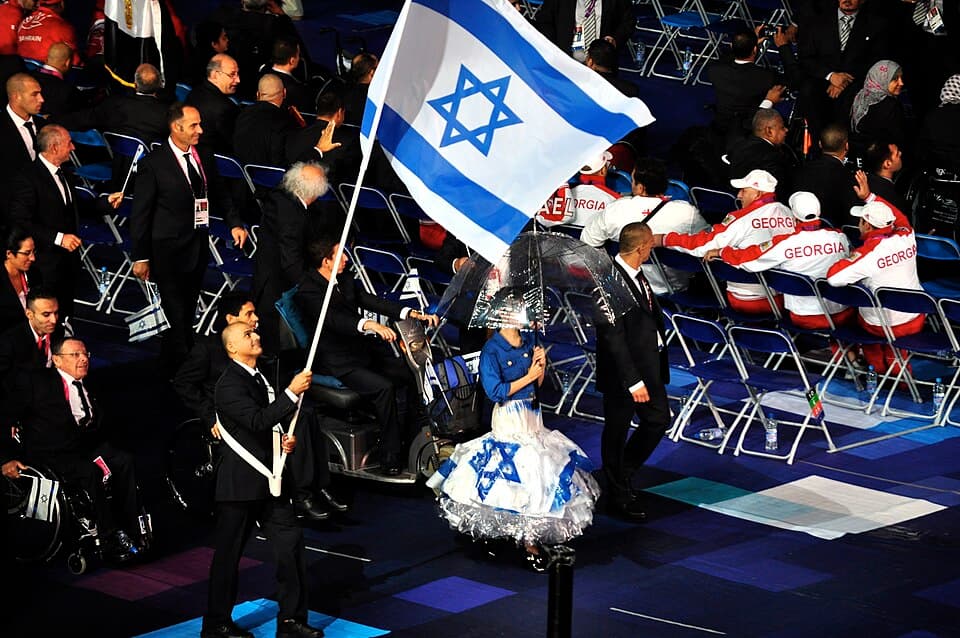
The doubt was compounded by circumstance rather than form alone. Dolgopyat went almost half a year without a competition after Israeli gymnasts were barred from October's World Championships in Jakarta, when the Indonesian government refused to issue them visas and the Court of Arbitration for Sport rejected the Israeli federation's urgent appeal to overturn the decision — a saga the IOC itself condemned as a breach of the Olympic Charter.
He opened the new season by winning floor gold at the World Cup in Cottbus, Germany, a result that quietly answered some of the questions he had been asking himself in private. Zagreb was the one that mattered more.
The final did not go cleanly. On his first tumbling pass, Dolgopyat's heels landed outside the boundary of the mat, the kind of mistake that has cost him major finals before. This time he composed himself through the rest of the routine and posted 14.466, enough to hold off a neutral athlete, Arsenii Dukhno, on 14.333, and Britain's Harry Hepworth, who took bronze with 14.300.
It was Dolgopyat's third European floor title, to go with the ones he won in 2020 and 2022, and it extended one of the more remarkable records in Israeli sport: across Olympic, World and European floor finals he now has 12 medals, and not one of them is bronze — only gold or silver.
The total matches the seven European medals collected by his mentor and predecessor Alex Shatilov, though Dolgopyat's haul is the purer of the two: three golds and four silvers, against a mixed collection for Shatilov that included bronze finishes.
At 29, he was candid about what has changed. Gymnasts he now considers "kids" throw skills reflexively that once separated him from the field, he said, and staying at the top has become a matter of much more careful management of his body and his training load around each element, not just raw execution. He will be 31 by the time of the Los Angeles Olympics in 2028, and said he has not yet met the qualifying standard for that Games — a process that continues at a qualifying event in China next year.
Asked about the enduring Israeli argument over who is the country's greatest athlete, sharpened this year by Deni Avdija's breakout season and his selection as the first Israeli NBA All-Star, Dolgopyat waved away any need to choose. "He's the greatest in basketball, I'm the greatest in gymnastics," he said. "He's the most successful in his sport, I am in mine."
For now, he said, the plan is simple: the World Championships in Rotterdam are next on the calendar, and after a year in which merely getting to compete was not guaranteed, he is not taking a start line for granted.