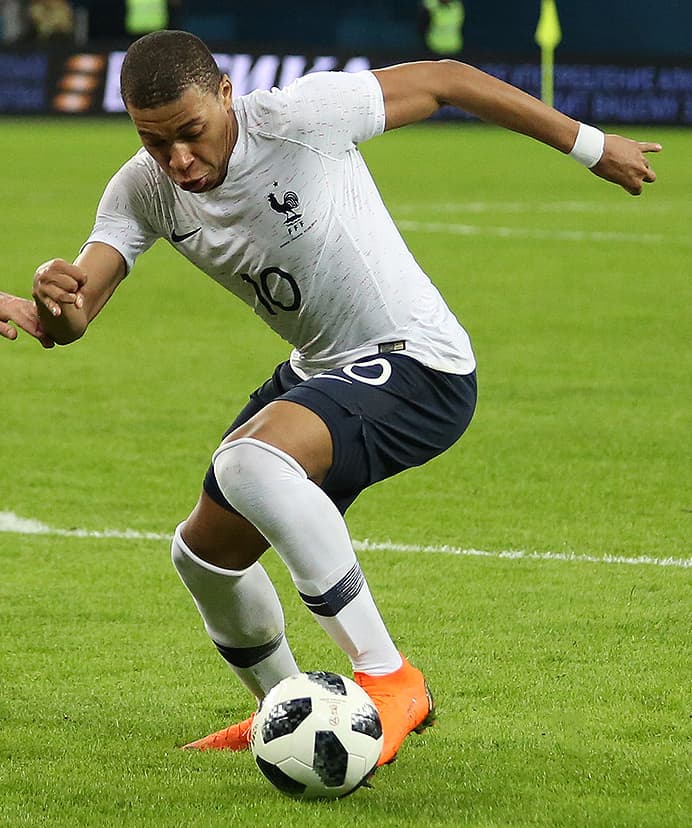
Atlético Madrid has had enough of hearing about Julián Álvarez's future being decided somewhere other than the Metropolitano. Club CEO Miguel Ángel Gil Marín used an interview to draw a hard line under the Argentine's transfer saga, insisting the forward stays put unless someone pays his full release clause.
"Atlético, like all great clubs, is built with great players, and I am convinced that Julián is one of them," Gil Marín said, according to ONE. "We will help Julián and continue to care for him so he can give us his full potential."
The comments land roughly two months after Álvarez first made clear internally that he wanted out, with Barcelona identified as his preferred destination. Atlético have not budged since, and Gil Marín's latest remarks read as a direct answer to the pressure campaign around the player.
"We will not allow other clubs and media to decide what we need to do or dictate our sports strategy," the CEO said, a line widely read in Spain as aimed squarely at Barcelona and outlets sympathetic to a move, even though he stopped short of naming the club.
The mechanism Atlético are hiding behind is straightforward and, by Spanish football's usual standards, extreme: a release clause reported at €500 million, written into the contract Álvarez signed until 2030 when he arrived from Manchester City in 2024. Barcelona would have to deposit that sum with La Liga in full — no installments, no add-ons, no discount for a Spanish suitor.
That figure is one reason the club's public posture has hardened rather than softened as the window has worn on. Barcelona's well-documented financial constraints make paying anywhere near €500 million implausible, and Real Madrid's separate approach — a reported €150 million bid — was rejected on the same grounds.
Álvarez, 26, has continued playing for Atlético through the opening weeks of the season while the noise around him has grown louder, a situation the club appears determined to end by simply refusing to negotiate at all.
Gil Marín's framing — that Atlético will keep looking after the player rather than push him toward the exit — suggests the club sees this as a stance to be held indefinitely, not a position that softens as the transfer window narrows.