Barcelona's midfield has rarely looked shorter of space than it does this week. Nine days after officially unveiling Rodri as their marquee summer signing, the Catalans are facing a pointed question raised from within their own fanbase: did they just solve the wrong problem?
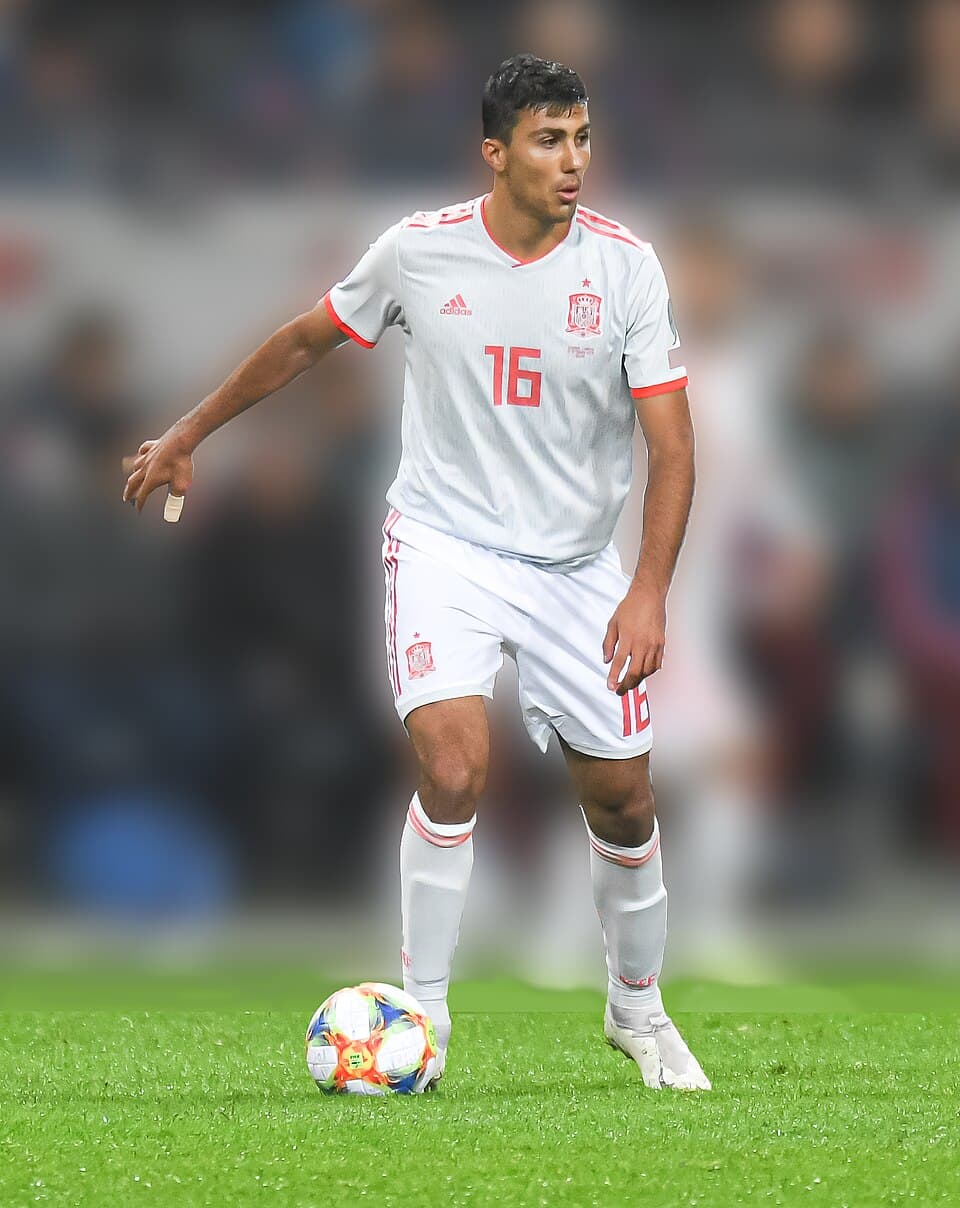
The club confirmed the deal for the Spain international on August 18, luring him away from Manchester City on a four-year contract after seeing off a late run from Real Madrid, according to Ynet and outlets including Sky Sports and ONE. Reports put the fee at a base of around €60 million, with add-ons that could push the total past €75 million.
On paper it is a coup. Rodri arrives as a World Cup winner and one of the most complete defensive midfielders in the game, the kind of signing most clubs would build a season around. But an opinion piece published in Ynet's reader-content section this week argues Barcelona have simply piled more talent onto a position that was never short of it.
Pedri, Gavi, Dani Olmo, Fermín López, Frenkie de Jong and academy graduate Marc Bernal were already competing for a handful of central midfield starts before Rodri's arrival. Add him to the mix and Hansi Flick now has six or seven players of real quality jostling for two or three places in his XI — an imbalance the piece warns could breed frustration rather than depth.
The bigger gap, the author argues, sits further forward. Robert Lewandowski has left the club, and Ferran Torres — long a squad option behind the Pole — has agreed personal terms with Paris Saint-Germain, Ynet has separately reported. That leaves Raphinha carrying an outsized share of Barcelona's scoring burden heading into the new season.
Barcelona have been linked with attacking reinforcements, including Newcastle's Anthony Gordon and Borussia Dortmund's Karim Adeyemi, but neither move is close, and sporting director Deco's business this summer has so far been concentrated in midfield rather than the final third.
None of this diminishes what Rodri can offer defensively and in build-up play; his positional intelligence was central to Manchester City's dominance under Pep Guardiola and to Spain's run to the World Cup title. The question the Ynet column raises is one of squad balance and fit, not of his individual quality.
It is worth stressing this is an opinion column rather than a club statement — Flick has given no public indication he sees his midfield as bloated, and pre-season minutes will be the real test of how he divides responsibilities among his newly stacked options.
Still, the stakes attached to the debate are real. Barcelona are chasing a repeat La Liga title and still searching for a first Champions League triumph since 2015, and how Flick manages a talented but crowded dressing room could go a long way toward deciding whether this squad, as built, is equipped to get them there.