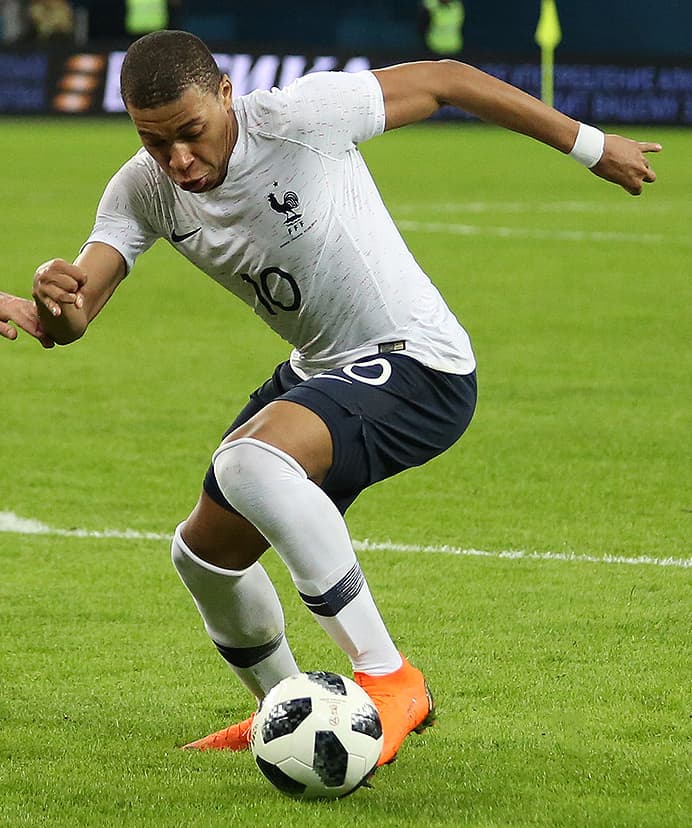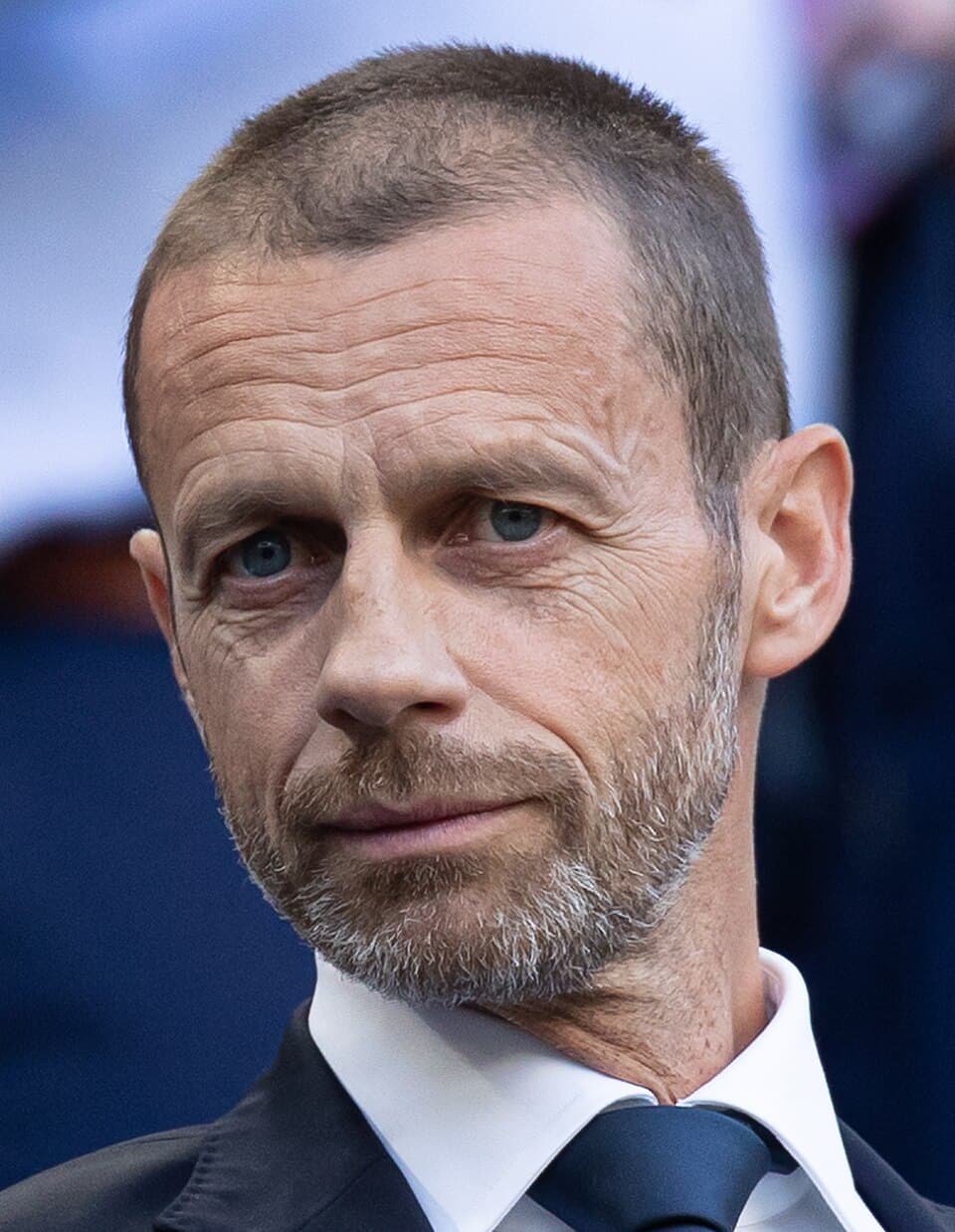
Spain lifted the World Cup on Sunday night with Ferran Torres' extra-time winner sealing a 1-0 victory over Argentina — but one of the most powerful men in the sport was missing from the stands at MetLife Stadium. UEFA president Aleksander Čeferin stayed away from football's showcase final entirely, in protest at how FIFA had handled a disciplinary row that dragged Donald Trump into World Cup politics.
Torres struck in the 106th minute to break the deadlock, with Argentina goalkeeper Emiliano Martínez setting a World Cup final record of 11 saves in defeat and Lionel Messi going the entire ninety minutes without registering a shot. It was Spain's second world title, and their first since 2010 — a result that, on the pitch at least, produced a clean and deserved champion.
Off the pitch, the tournament's final act was overshadowed by a rift between FIFA and UEFA that had been building for weeks. Its origin was the USA's round-of-32 win over Bosnia and Herzegovina, when American forward Folarin Balogun was sent off for a challenge on Tarik Muharemović. Under FIFA's own disciplinary code, the resulting one-match ban should have kept him out of the USA's next game, a last-16 tie against Belgium.
Instead, the ban was lifted — after President Trump personally got involved. Trump has confirmed he telephoned FIFA president Gianni Infantino directly, by some accounts more than once, to press for the suspension to be reviewed. Within days, FIFA's disciplinary committee invoked Article 27 of its own code to freeze the ban for twelve months, clearing Balogun to play against Belgium.
It made no difference to the result: the USA lost 4-1 in the last 16 regardless, with Balogun on the pitch throughout. Belgium's federation later appealed to have the red card's sporting effects reinstated after the fact — an appeal FIFA rejected as "inadmissible."
For UEFA, the episode crossed a line. The European governing body issued a statement branding FIFA's decision "unprecedented, incomprehensible and unjustifiable," saying FIFA had "crossed a red line" by allowing political pressure to shape a sporting sanction.
Čeferin, the Slovenian lawyer who has led UEFA since 2016 and also serves as a FIFA vice-president, took the protest further than a written statement: he simply did not attend the final, having been present without incident at the tournament's opening match in Mexico City. A sitting FIFA vice-president boycotting the World Cup final is, by any measure, an extraordinary act of defiance from within FIFA's own leadership.
Reports since the final have suggested the Balogun affair was not Čeferin's only grievance. He was said to also be angered by Africa's leading referee, Omar Artan, being denied entry to the United States during the tournament, and by the treatment of Iran's delegation — issues that reportedly hardened his decision to stay away.
FIFA president Gianni Infantino, for his part, later acknowledged that the Balogun controversy "should never have happened," a rare public concession from a figure usually more inclined to defend the organisation's calls than question them.
The falling-out leaves world football's two most powerful administrators at open odds just as the sport's global showcase reached its climax — and it leaves unresolved a question that will outlast this World Cup: how directly political power, wielded from the White House, was able to reach into a refereeing decision on football's biggest stage.