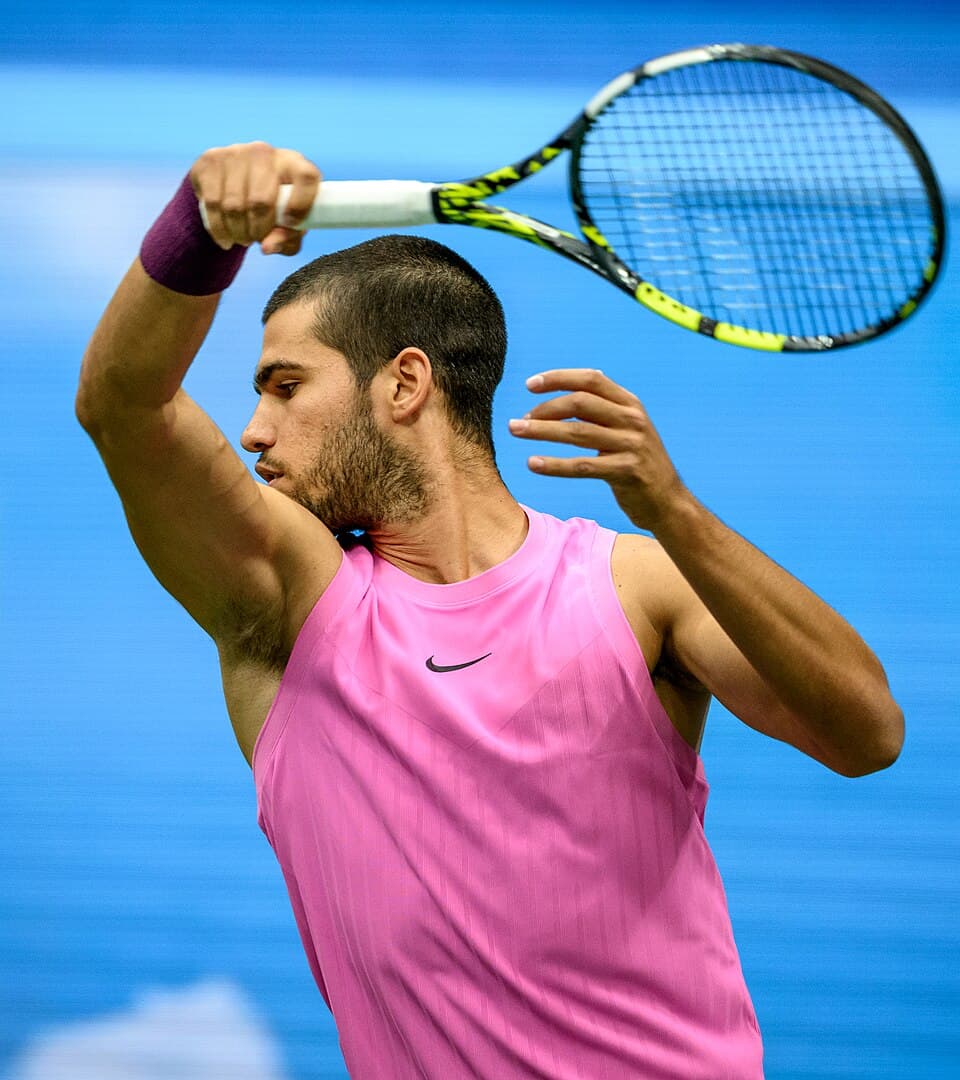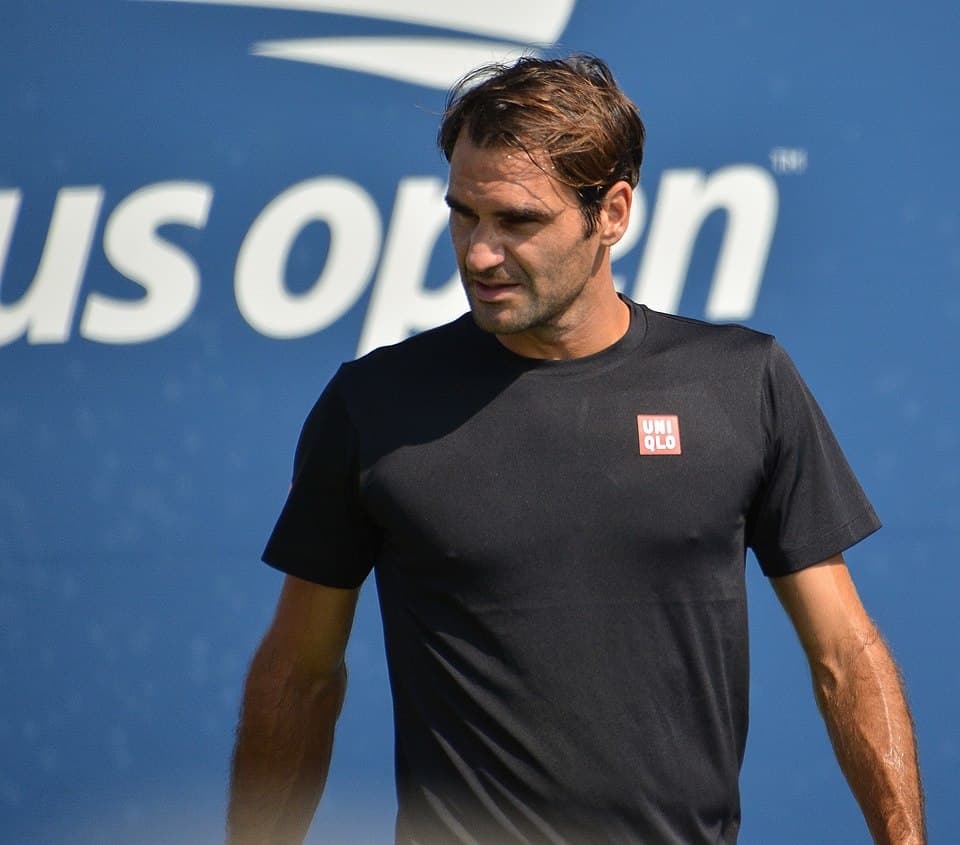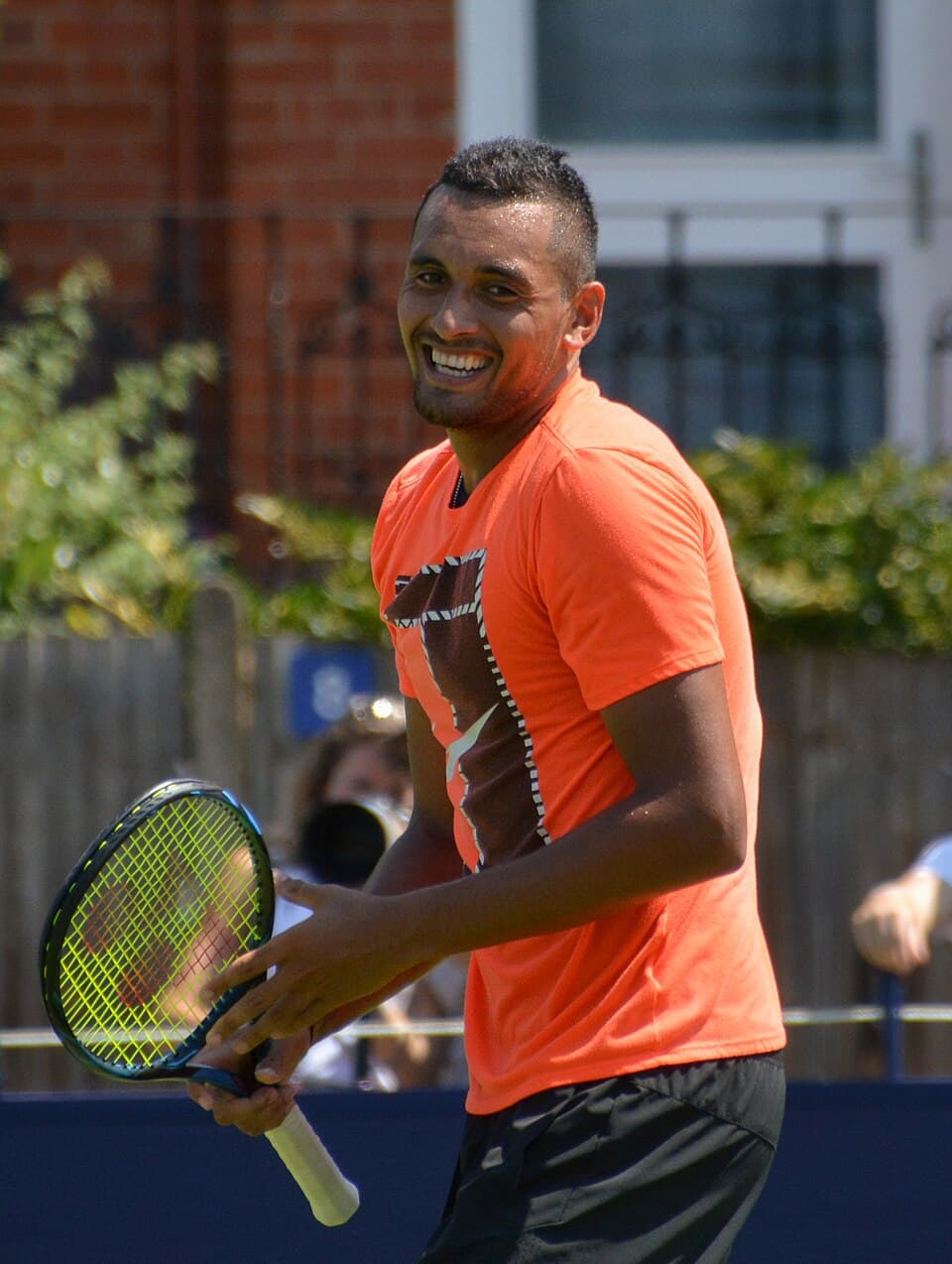
Ynet's sports desk frames it as the darkest twist yet in the Nick Kyrgios story: the self-styled "bad boy" of world tennis, provisionally suspended this week after testing positive for cocaine, barely a year after he stood in judgment of two of the sport's biggest stars for their own doping cases.
The International Tennis Integrity Agency confirmed that a sample Kyrgios gave at an ATP 250 event in Mallorca on June 22 came back positive for benzoylecgonine, a metabolite of cocaine. A WADA-accredited laboratory verified the finding on July 17, and the Australian has been provisionally suspended from playing, coaching or even attending sanctioned events since August 4. The ITIA made the case public on August 19.
Kyrgios did not fight it. "I made a huge mistake and I take full responsibility for it," he wrote in a statement, apologising to "my fans, my family, my sponsors and everyone close to me." He said the positive test had been a "wake-up call" and that he would step away from social media and public life for 28 days. His case now goes to an independent tribunal, which will determine any sanction; cocaine is treated by the anti-doping code as a substance of abuse, meaning reduced penalties can apply when use is established as out of competition.
The irony has not been lost on Ynet or on the wider tennis press. Just last year Kyrgios tore into Jannik Sinner and Iga Świątek over their own doping violations, calling the handling of both cases "disgusting" for the sport and accusing the authorities of inconsistency and a lack of transparency. He is now the one facing the same integrity process he once said had failed everyone else.
At 31, Kyrgios is a long way from the player who reached the Wimbledon final in 2022, only to lose to Novak Djokovic, and who once sat as high as No. 13 in the world. Persistent injuries have wrecked the years since; he has played sparingly, and his ranking has collapsed to 919th, a fall that mirrors the physical toll he has spoken about publicly for years.
He built his career, and much of his fame, on confrontation as much as talent — smashing rackets, sparring with umpires and opponents, and cultivating an image at odds with tennis's buttoned-up culture. It made him one of the sport's most bankable, and most polarising, figures, with career prize money north of $12 million across seven titles.
But Kyrgios has also spoken candidly about the cost of that persona. He has described a mental state "created from the moment your brain wants something your body can no longer achieve," and in 2019 admitted to suicidal thoughts during a tournament in Mexico. Ynet's report ties that history directly to the current scandal, framing the cocaine positive as the latest, starkest chapter in a downward spiral rather than an isolated lapse.
Tennis has been here before. Richard Gasquet tested positive for cocaine in 2009 and successfully argued the trace came from kissing a woman in a nightclub. Mats Wilander and Karl Novacek were both banned for three months after positive tests in 1995. Martina Hingis was suspended over a positive cocaine test in 2007 and retired soon after. Björn Borg later admitted to heavy cocaine use after his own playing career ended.
Scientifically, cocaine offers tennis players nothing on court: it is a substance of abuse rather than a performance enhancer, producing a rush of confidence and energy for perhaps 15 to 30 minutes before a crash that leaves users worse off, not better.
For Kyrgios, the question now is less about performance than about what remains of a career already reduced to occasional appearances. A tribunal ruling will decide how long any ban runs, but for a player who built an identity on being tennis's loudest critic of everyone else's failings, the reckoning is now his own.