FIFA has confirmed it will formally examine a proposal to expand the 2030 World Cup from 48 to 64 teams, reviving an idea first pushed by South American confederation CONMEBOL as a one-off tribute to the tournament's centenary.
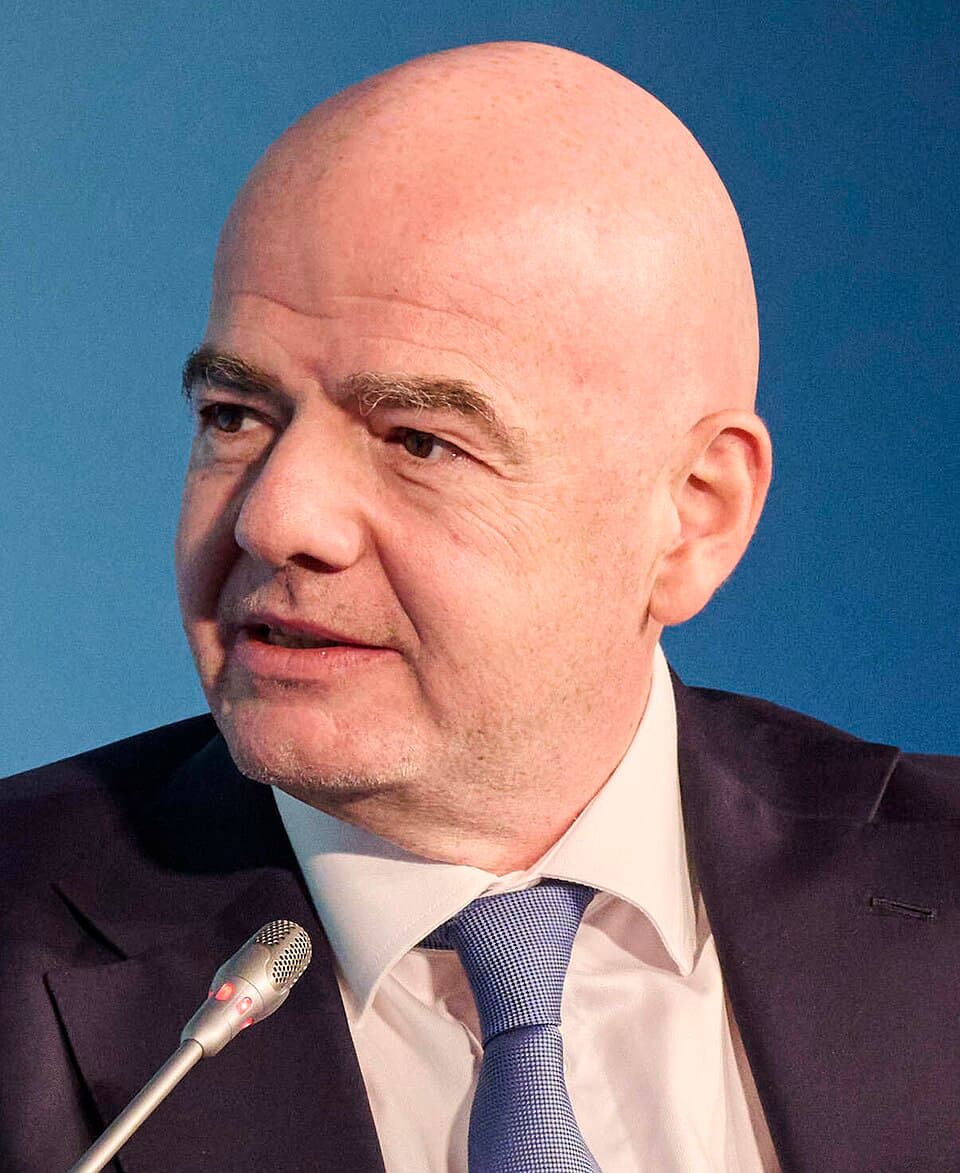
FIFA president Gianni Infantino said discussion of the expansion would begin now that the 2026 World Cup, hosted by the United States, Canada and Mexico, has concluded. He stressed that no decision has been made and that FIFA's council has a duty to formally consider any proposal referred to it by member federations.
The plan originated with CONMEBOL president Alejandro Domínguez, who has described a 64-team format as his personal dream for marking 100 years since the inaugural World Cup was staged in Uruguay in 1930. Domínguez met Infantino, along with the presidents of Argentina, Paraguay and Uruguay, in New York to press the case directly.
The 2030 tournament is currently scheduled to run under the same 48-team format introduced at the 2026 finals, co-hosted by Spain, Portugal and Morocco. As part of the centenary celebrations, single commemorative matches are planned for Montevideo's Estadio Centenario, Buenos Aires and Asunción, honoring the three South American nations that staged the first edition.
Under the format being studied, the tournament would be restructured into 16 groups of four teams, with the top two from each advancing to a 32-team knockout stage — doubling the total number of matches to 128. UEFA president Aleksander Čeferin has publicly opposed the idea, calling it "not a good idea," and the international players' union has raised separate concerns about an already congested qualifying calendar and player welfare.
The plan carries a speculative Israeli sporting angle. Commentary in the Israeli press has pointed to an associated proposal that would lift Europe's qualifying allocation to roughly 21 berths, up from 16 at the 2026 finals, as a change that could improve the national team's prospects of returning to the World Cup for the first time since 1970. That calculation remains provisional, since UEFA has not drafted, let alone approved, a qualifying format for an expanded tournament.
For now, FIFA has framed the 64-team idea as one option under review rather than a settled outcome, with officials cautioning that no timeline exists for a final decision. Any change to the 2030 format would require sign-off from FIFA's council, and given entrenched opposition from UEFA and players' representatives, observers expect a prolonged debate before Uruguay, Argentina, Paraguay, Spain, Portugal and Morocco learn the exact shape of the tournament they are set to host.