FIFA has confirmed what its own marketing department could barely have dreamed of a decade ago: the 2026 World Cup is the most financially successful tournament the organisation has ever staged, with revenue crossing the $15 billion mark for the four-year cycle.
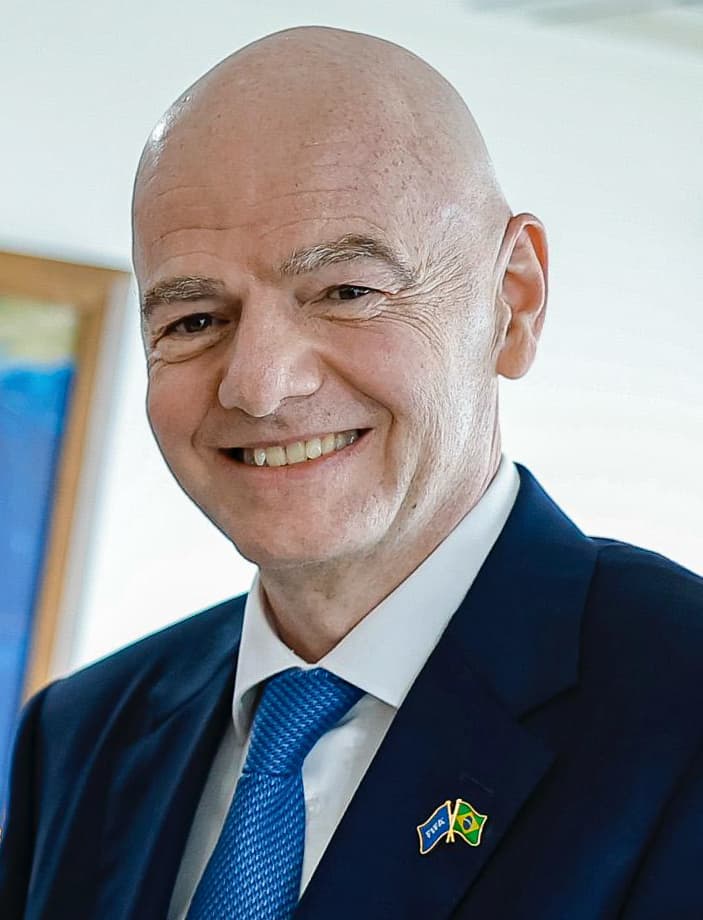
Sport1 reports that the precise figure stands at $15.2 billion, a number Gianni Infantino delivered personally to FIFA's member associations at the Waldorf Astoria in Manhattan on the eve of the final — a deliberately symbolic setting, and a deliberately triumphant message, before the showpiece kicked off across the river at MetLife Stadium.
The scale of the jump is what makes the figure remarkable. FIFA's Qatar 2022 cycle brought in roughly $7.5 billion, meaning the North American edition has essentially doubled the governing body's income in a single World Cup cycle — a growth rate almost unheard of in global sport.
Two structural changes explain most of it, according to the report: the tournament's expansion to 48 teams and 104 matches, and the decision to stage the bulk of it in the United States, a market built around premium pricing, corporate hospitality and aggressive commercial packaging in a way European or Gulf hosts never quite replicated.
Broadcasting deals and sponsorship packages both grew sharply against the Qatar cycle, but it was ticketing — and especially the resale market — that produced some of the tournament's most eye-catching numbers. On FIFA's own resale platform, Category 1 seats for the final opened at around $11,700, with some listings reported elsewhere climbing into six and even seven figures for premium seats.
That kind of pricing drew grumbling from fans and some pointed criticism of FIFA's dynamic-pricing model, but by the governing body's own account it barely dented demand in a U.S. market accustomed to premium sports economics.
"Football is a sport, but it is also a business," the report quotes, framing the $15 billion-plus figure as, in FIFA's own words, the clearest proof yet that its bet on an American-centred, market-driven World Cup had paid off.
Infantino used the announcement to promise the windfall would flow back into the game: FIFA's Forward development fund, which distributes money to all 211 member associations, is projected to rise to $2.7 billion for the 2027-2030 cycle — an eightfold increase since the programme's launch.
The financial announcement landed just after the football itself wrapped up. Spain beat Argentina in the final at MetLife Stadium on July 19 to close out the expanded tournament, capping a month that FIFA will now point to as the commercial template for future World Cups.