Israel's top basketball division is heading toward a fresh crisis before a ball has even been bounced in the new season, with referees' representatives warning they will not officiate preseason friendlies or league games unless club chiefs act to stop personal lawsuits being filed against officials over their on-court decisions.
In a letter to league leadership reported by ONE, the referees' representative body did not mince words: "if the phenomenon is not handled immediately and effectively... referees will not be able to open the league season." It is an unusually stark ultimatum from a group whose independence, they argue, is being eroded case by case.
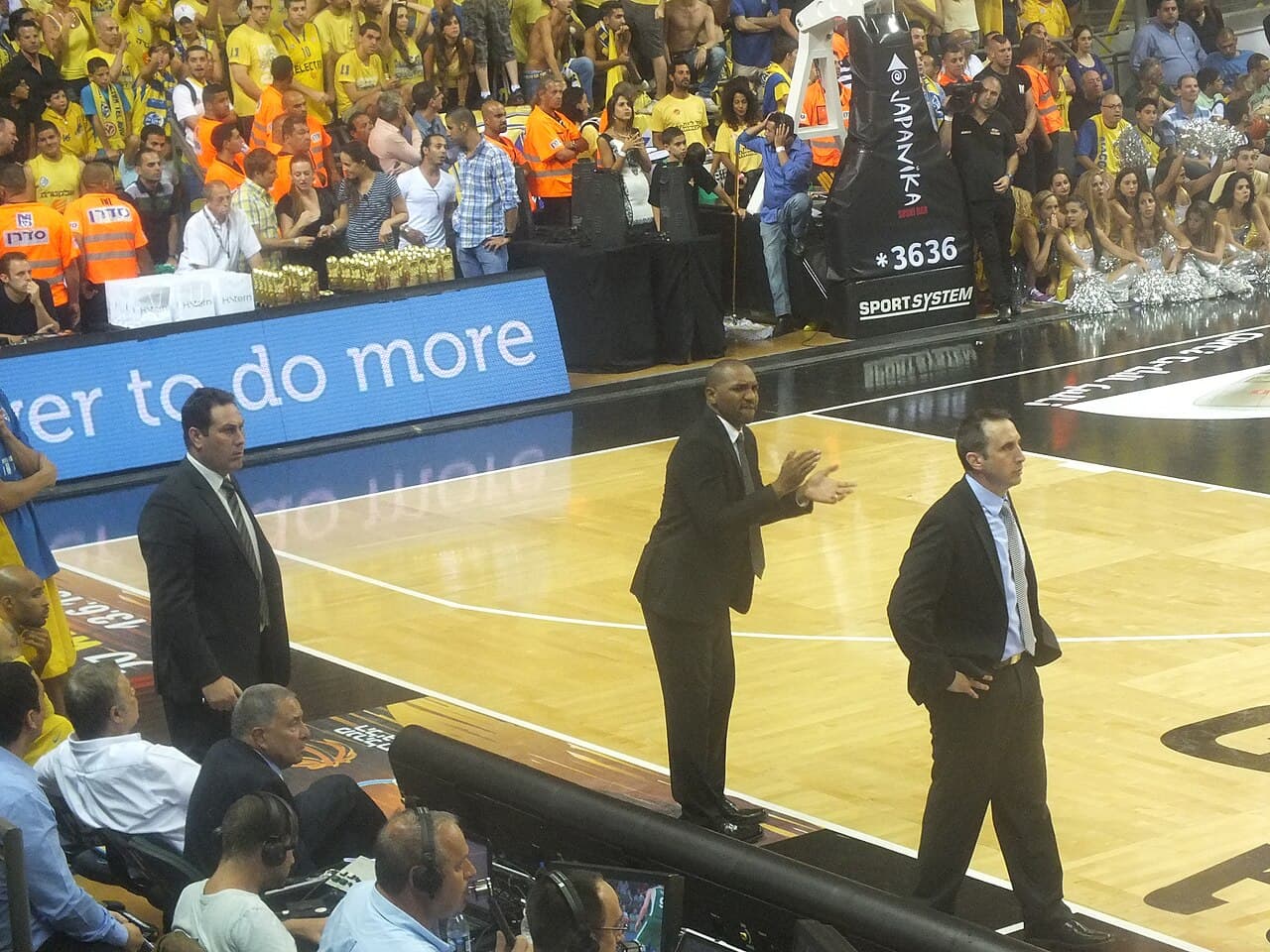
The trigger is a lawsuit that has rattled the sport. Shimon Zitron, a Hapoel Tel Aviv businessman and former club board member, filed a 640,000-shekel ($175,000) suit at the Tel Aviv Small Claims Court against five officials from the June 16 Ligat Ha'Al playoff final between Maccabi Tel Aviv and Hapoel Tel Aviv at Menora Mivtachim Arena.
Named in Zitron's claim are referees Amit Black, Ofer Manheim and Omer Estron, along with game supervisor Meir Portal and observer Gil Gordon. The suit stems from an incident in which Zitron called out to fallen Hapoel player Jimmy Clark from his front-row seat, prompting Maccabi's Jalen Hood to approach him in what Zitron describes as a threatening manner before security removed him from the arena. He alleges the officials' subsequent reports on the episode were defamatory and misrepresented what actually happened.
For the referees' body, that case has become the flashpoint for a wider grievance: a growing pattern, they say, of individuals turning to the courts to relitigate calls and incidents that used to stay on the scoresheet. Their letter frames it as a threat not just to individual officials but to "judicial independence" within the sport itself.
The demands are specific. League leadership, the referees say, must move to stop personal lawsuits being filed against officials, guarantee full legal representation and financial compensation for any referee who is sued over decisions made in the line of duty, and put in place lasting mechanisms to shield officiating from that kind of legal pressure.
The letter was addressed to the men who run the professional game in Israel: Basketball Association chairman Amos Frishman, league management chairman Ari Steinberg and league CEO David Basen, with the referees' association headed by Asi Shalem. None of the three had issued a public response by the time ONE's report was published.
It is not the league's only labor flashpoint this year. Just weeks earlier, Israeli players staged their own strike action in the closing stretch of the season, in a dispute over reduced court time for domestic players under the foreign-player quota, an episode that briefly threatened to force clubs to field foreign and youth players alone.
With preseason friendlies looming and the new Ligat Ha'Al campaign due to get under way in the coming weeks, the referees' warning leaves league leadership facing a decision it cannot easily postpone: find a way to shield officials from personal legal exposure, or risk a season that cannot open on time.