Two years out from the opening ceremony, Ynet's sports desk was given rare access to the Los Angeles venues being reshaped for the 2028 Olympics, touring the site with a delegation from the Israeli Olympic Committee led by chair Yael Arad and CEO Adi Bikhman.
The headline detail is what LA28 organisers are not building. Los Angeles will stage the Games without a single new permanent venue, according to the report — the first Summer Olympics since London 1948 to be delivered entirely on existing infrastructure. More than 40 venues across the region are being adapted to host 51 sports.
It makes Los Angeles the third city to host the Summer Olympics three times, after London and Paris, and the first American city to do so. The Games return to a city that also staged the 1932 Olympics, in the shadow of the Great Depression, and the 1984 Games — the edition that famously turned a profit through private sponsorship rather than public construction spending.
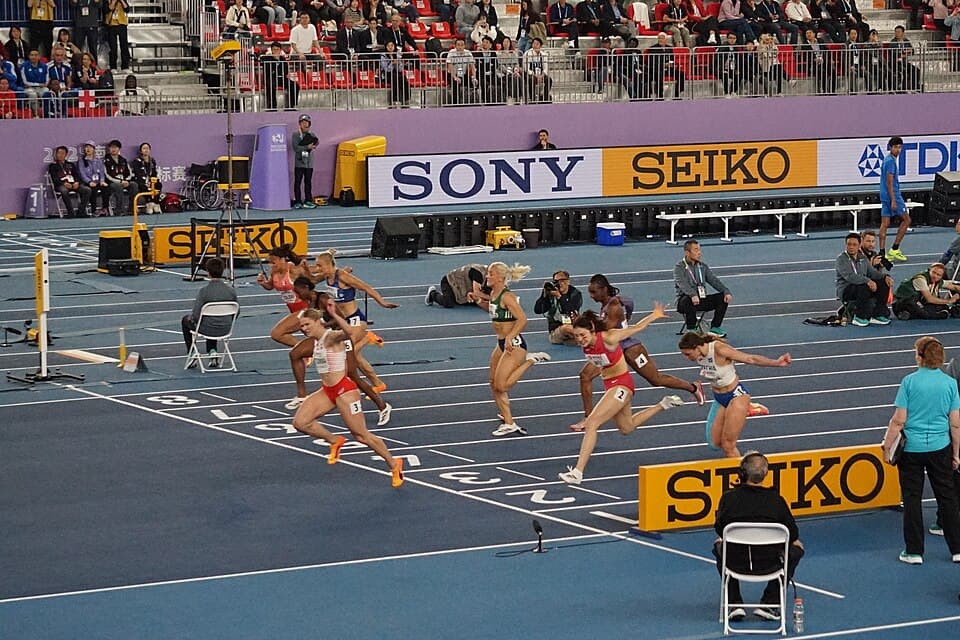
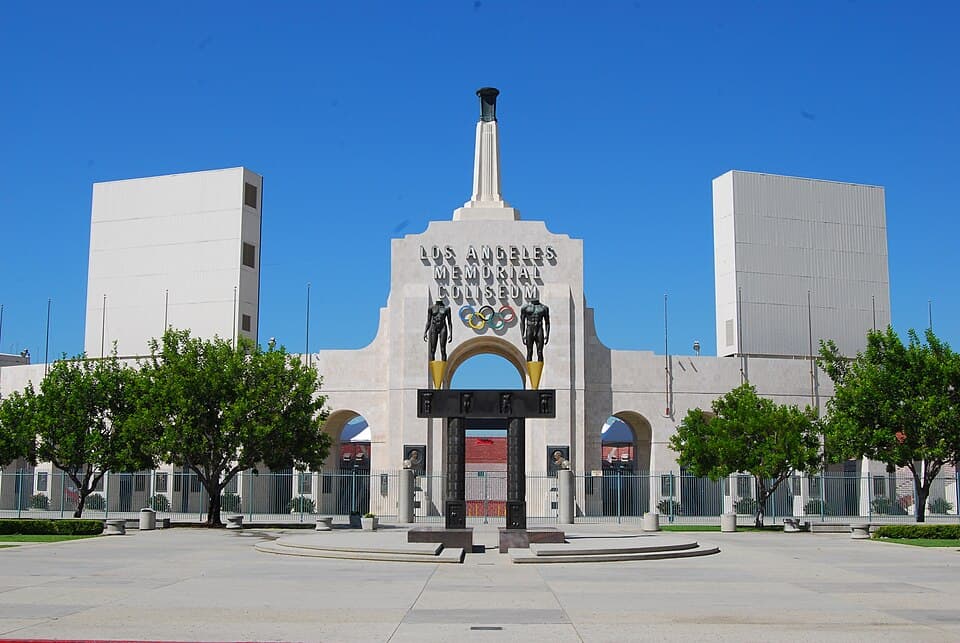
The centrepiece of that legacy, the Los Angeles Memorial Coliseum, opened in 1923 and will host athletics as well as its third Olympic opening ceremony — but for the first time, it will share that duty. Organisers have confirmed the July 14, 2028 opening ceremony will be split, unprecedentedly, between the century-old Coliseum and the modern SoFi Stadium in Inglewood, with the Coliseum alone hosting the closing ceremony on July 30.
SoFi Stadium's own transformation is one of the more striking pieces of engineering in the plan: a temporary competition pool will be built beneath the stadium's football field for swimming and artistic swimming, with organisers targeting more than 38,000 spectators — which would make it the largest swimming venue in Olympic history. The pool is expected to be repurposed for community use once the Games end.
Other landmark venues are being folded into the programme rather than replaced. Ynet's report describes Crypto.com Arena, home of the Lakers, hosting basketball finals, gymnastics and boxing, while Dodger Stadium takes on baseball and Long Beach becomes a satellite hub for 11 sports including handball and beach volleyball. Venues further out in the San Fernando Valley will stage BMX, skateboarding and 3x3 basketball, in conditions the report notes could push past 40 degrees Celsius during the Games' late-July window.
Housing for competitors is being built around an existing campus rather than a purpose-built village: the University of Southern California's dormitories, including two- and three-bedroom units, are being converted into the athletes' village, according to the report.
Organisers are projecting between three and five million visitors over the Games, a scale that collides with Los Angeles's famously car-dependent geography. The report flags transportation as the organisers' central operational headache, with a network of dedicated shuttle routes and transit expansions being built out to move fans between a metropolitan area with comparatively little rail infrastructure.
The sporting programme itself will look different, too. Flag football will make its Olympic debut in 2028, part of the IOC's push to broaden the Games' American appeal, while lacrosse returns to the Olympics for the first time since 1908.
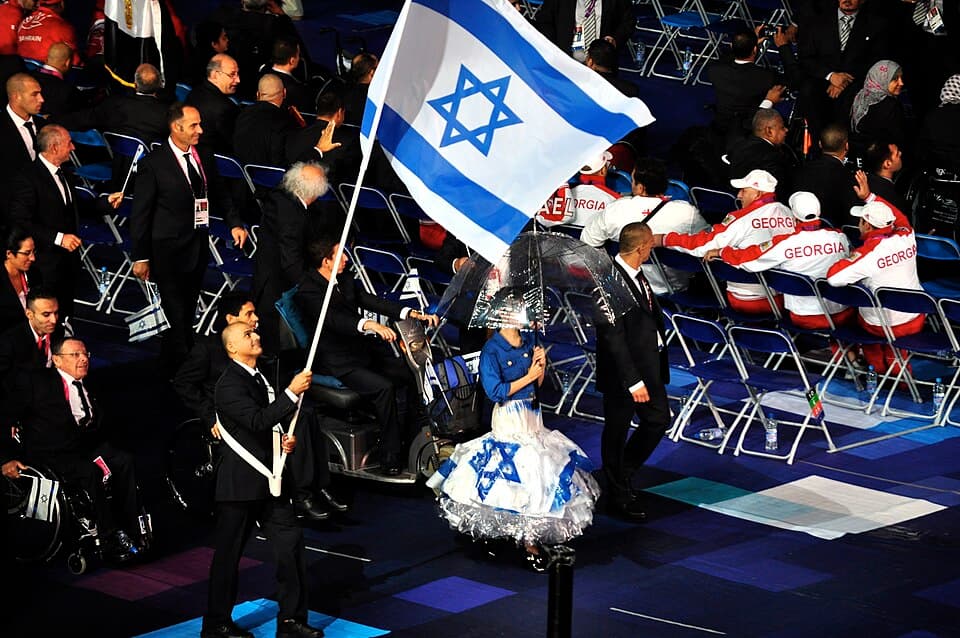
For the Israeli delegation, the trip was framed as more than a scouting mission. Arad, who chairs the Israeli Olympic Committee, told Ynet that American Jewish communities are eager to use the Games to connect with Israel and with younger generations, calling Los Angeles 2028 "an excellent opportunity" on that front — alongside the more familiar task of scouting logistics, accreditation and training arrangements for Israeli athletes three years out.
The most emotional moment of the tour, by the report's account, came away from the construction sites: delegation members were shown a memorial plaque commemorating the 11 Israeli athletes and coaches murdered by Palestinian terrorists at the 1972 Munich Olympics, a fixture of the Israeli Olympic Committee's presence at every Games since.
With two years still to run before the opening ceremony, much of what Ynet's team saw remains under construction or still on the drawing board. But the shape of LA28 is already clear: a Games built almost entirely on what Los Angeles already has, stretched across a sprawling, heat-prone and traffic-heavy city — and one where Israel's own preparations are now firmly under way.