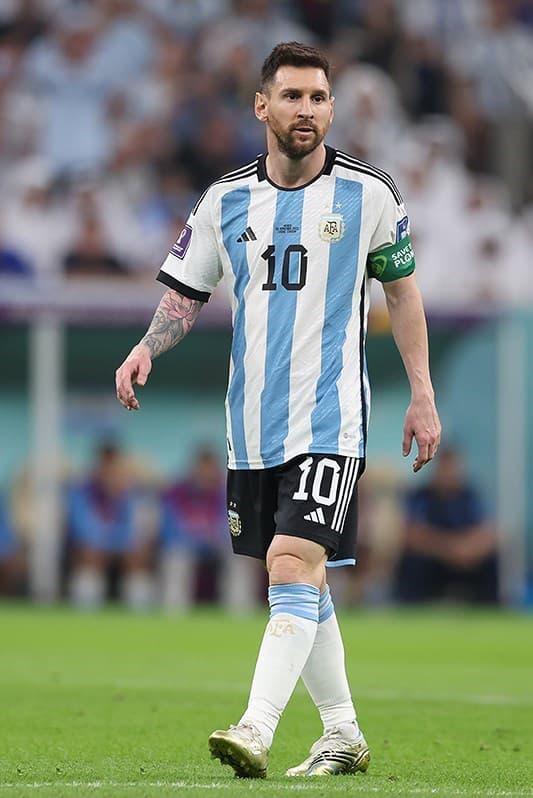
Two days after Lionel Messi walked off a World Cup final pitch in tears, in what is widely assumed to be his last appearance at the tournament, Argentina is still picking over Sunday's 1-0 extra-time loss to Spain — and a wild, unproven theory that FIFA rigged it.
The smaller mystery came first. Tunnel footage from before kickoff at MetLife Stadium showed Messi gathering his teammates for one final word, telling them, according to the exact remarks reported by ONE: "Come on guys, stay calm. The most important thing is to keep our composure. Let's forget about everything. Just play. Focus only on the game."
It was the "forget about everything" line that set off a frenzy back home. Clips circulated for hours with fans and pundits asking what exactly Messi wanted his players to put out of their minds, and pointing to Enzo Fernández and Lisandro Martínez, who both appeared visibly emotional in the moments before the whistle, as evidence something heavier than nerves was in the air.
Israeli outlet Walla, which separately covered the clip, reported that Argentine sources close to the squad framed it differently: Messi wasn't addressing dressing-room strife but trying to shut out the noise from Spain's pre-match comments about refereeing, which had reportedly irritated the Argentine camp. Spain won the game 1-0 after extra time, with Ferran Torres scoring the decisive goal in the 106th minute.
Into that emotional vacuum stepped Pablo Carrozza, an Argentine journalist close to AFA president Claudio "Chiqui" Tapia, who went public with a far more serious allegation: that FIFA president Gianni Infantino had reached an understanding with UEFA to ensure a European champion, as ONE reports.
Carrozza's theory, as relayed by ONE, is that Infantino already had CONMEBOL's backing for a second term but needed UEFA's votes too, and that a Spanish title was the price of getting them. It is a serious charge from a well-connected reporter — and, as of now, entirely unsubstantiated. No evidence has been produced, and neither FIFA, UEFA, the Spanish federation nor the AFA has responded to it.
Carrozza reportedly built his case around circumstantial details rather than proof. One is the choice of referee: Slovenian official Slavko Vinčić took charge of the final, a pick that surprised some observers given the well-documented friction this tournament between Infantino and UEFA president Aleksander Ceferin. Argentina, according to the claim, had a poor history with Vinčić, while Spain's experience with him had been more favorable.
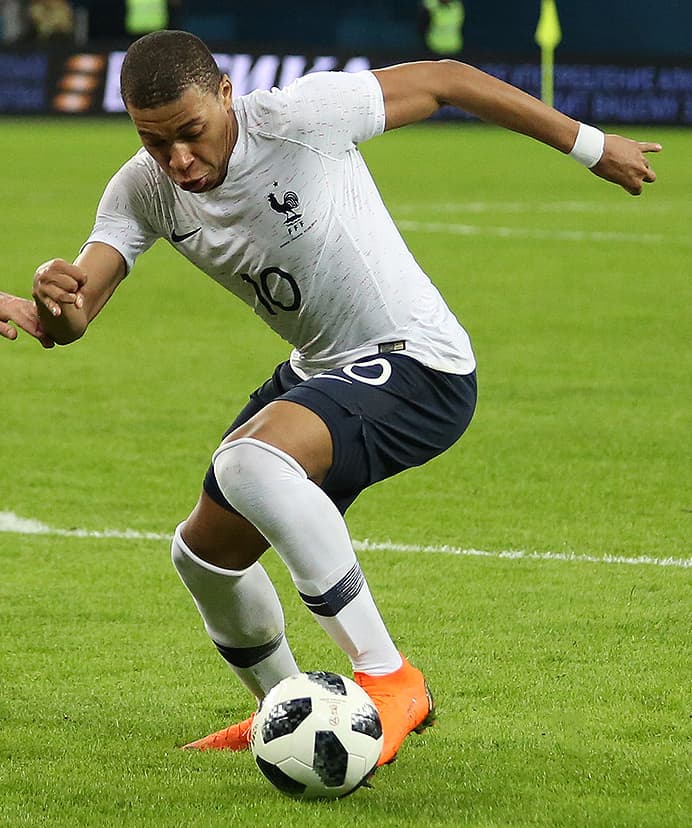
Carrozza also pointed to the tournament's individual awards as suspicious, per ONE's report — Spain's Rodri won the Golden Ball as the competition's outstanding player, ahead of Messi, who took the Silver Ball, and Kylian Mbappé, who was awarded the Bronze Ball. Mbappé also picked up his second career Golden Boot after starting France's third-place match, which England won 6-4. Both awards were decided by FIFA's technical panel, and nothing has surfaced to suggest their legitimacy is actually in question.
A further claim attributed to Carrozza — that Argentina were whistled for 24 fouls to Spain's 19 yet picked up five yellow cards and a red to Spain's none — could not be independently verified against match-statistics providers, and should be read as part of his allegation rather than as a confirmed figure.
He additionally suggested FIFA's broadcast coverage had leaned on shots of Spanish football legends in the stadium rather than Argentine ones, framing it as one more small tilt in Spain's favor. That, too, is Carrozza's interpretation of the broadcast rather than an established fact.
Argentina's own response to the final has been notably muted. Coach Lionel Scaloni was the only representative of the squad to face reporters afterward, calling the loss painful but conceding that Spain deserved the win — a far cry from Carrozza's version of events, though Scaloni was not asked directly about the conspiracy claims.
For now, the theory remains what it was when it surfaced: a provocative allegation from one journalist with AFA connections, unaccompanied by evidence, floating around the genuine heartbreak of Messi's last World Cup ending in defeat.