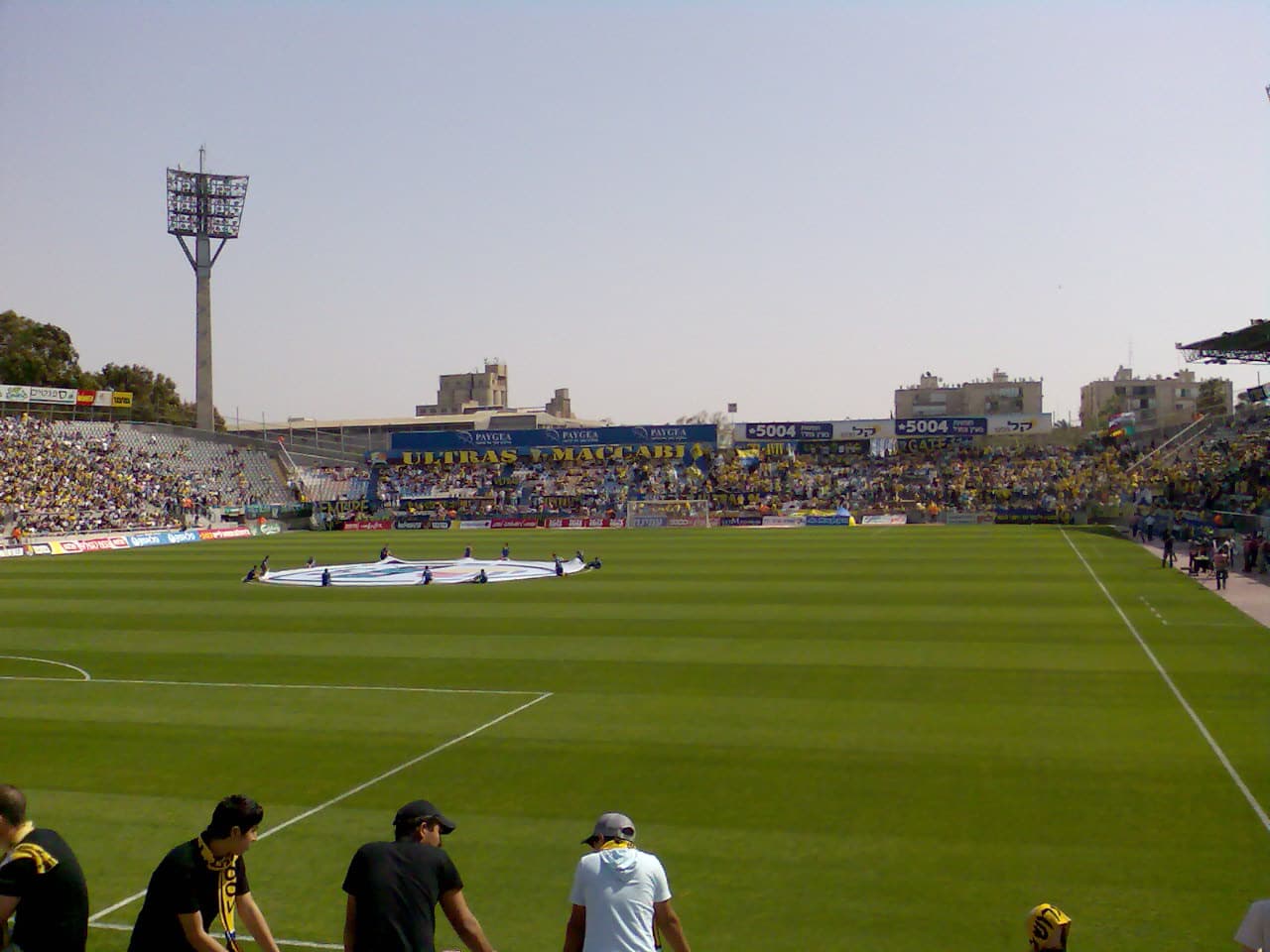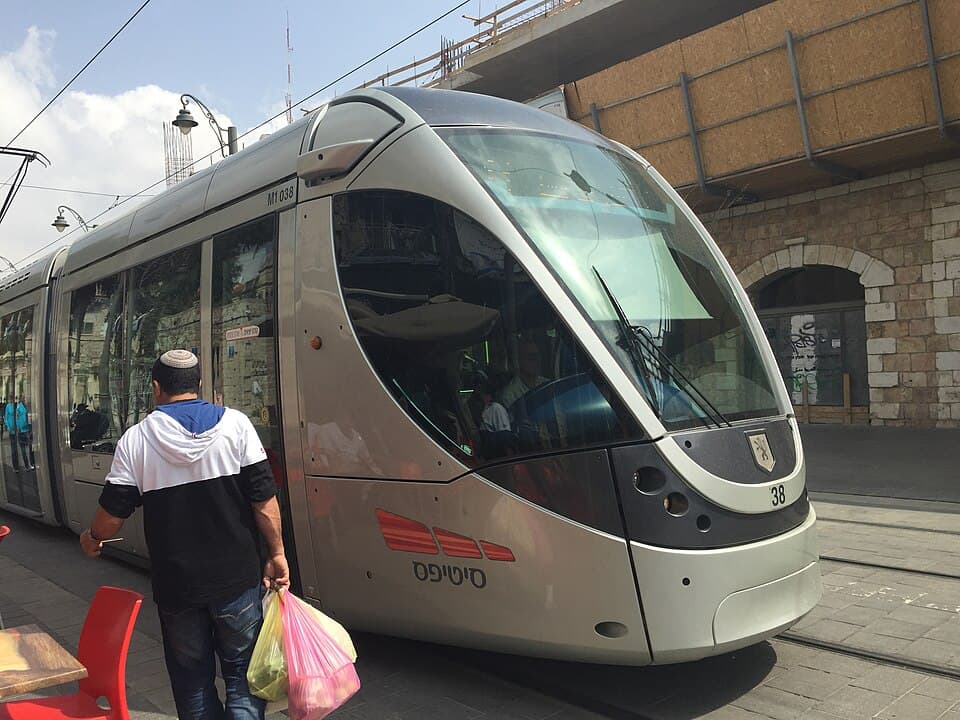
ONE has published the first detailed look at how Jerusalem's new light rail line intends to clear tens of thousands of fans away from Teddy Stadium and the neighbouring Pais Arena once major events finish, in a plan built specifically to avoid the kind of dangerous crowd crush that has marred stadium exits elsewhere in the world.
According to the report, the station sitting directly beside the stadium complex will not be used for dispersal after the biggest fixtures. Instead, fans will be walked roughly 800 metres — about eight minutes on foot — to the Gonenim station on Dov Yosef Street, spreading the crowd out before it reaches the platforms.
Multiple light rail carriages will be held in reserve inside the tunnel that runs between the Kiryat HaSport station and Gonenim, ONE reports. Once a train fills with departing fans it will pull away immediately and the next car will move up to take its place, a rolling "fill and go" system designed to keep the flow of people moving rather than backing up on the platform.
From there, passengers will be carried to Binyanei HaUmah, where they can continue on to central Jerusalem, and can also connect into Israel Railways' national network at the nearby Yitzhak Navon station for onward travel out of the city.
The special evacuation protocol is only for events expected to draw very large crowds. For ordinary league fixtures, ONE says the line will simply run its normal Green Line (L3) service straight to the station adjacent to the stadium, without the diversion.
Israeli transport planners studied the exit procedures at major European venues while designing the model, according to the report, including Arsenal's Emirates Stadium in London and stadiums in Germany, where placing the nearest station some distance from the gates has been used to prevent dangerous bottlenecks as fans stream out simultaneously.
The stakes are real for a ground that regularly sells out: Beitar Jerusalem, Teddy's principal tenants, count more than 20,000 season-ticket holders, and matchday exits from a stadium of that scale have long been a logistical headache in a city where road access around Malha is already tight.
The broader picture fits with what English-language coverage of the Green Line's launch has already flagged: reporting on the line's opening this month noted that the station immediately next to Teddy and Pais Arena would be closed during major events for security and crowd-control reasons, with fans diverted on foot to a different stop — the same underlying strategy ONE's report now fills in with operational detail, even if the station named as the alternative was not identical across accounts.
ONE indicates the arrangement is due to be tested for the first time within about a week, timed to the next fixture at Teddy expected to draw a crowd large enough to trigger the protocol.