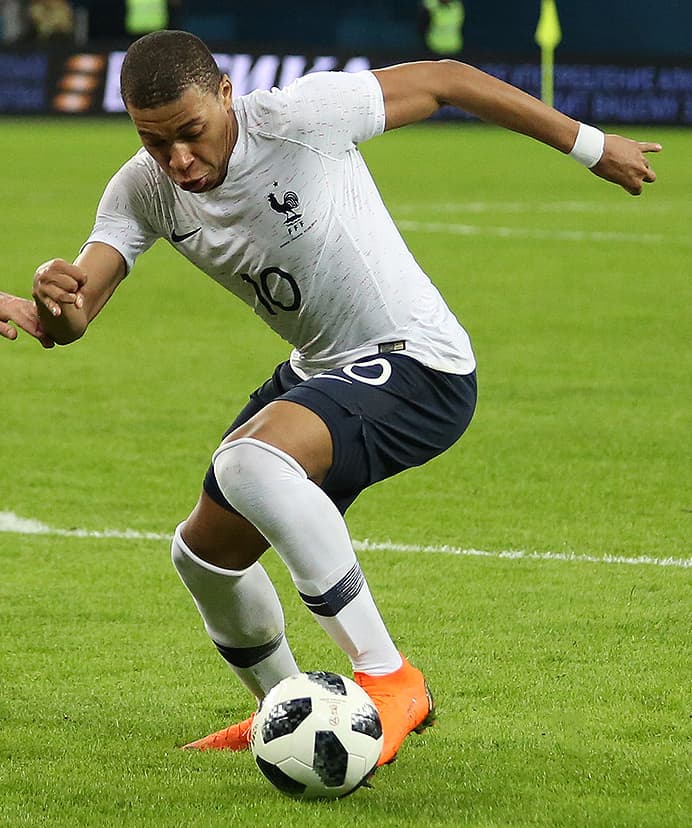
England and Argentina meet with a World Cup history that reaches back to the disputed 1966 quarter-final. ONE’s rivalry guide traces how each tournament meeting added another argument over refereeing, gamesmanship, national identity and revenge.
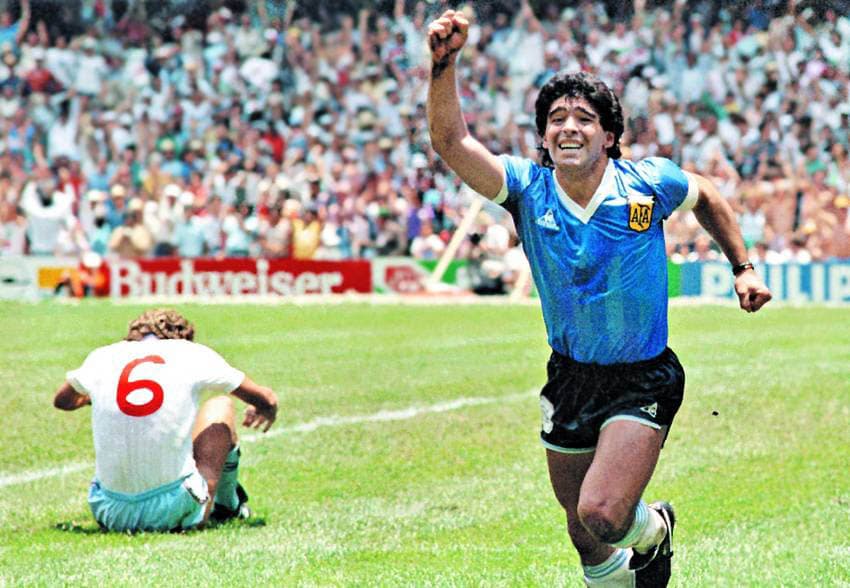
The defining 1986 episode combined Diego Maradona’s Hand of God with one of the competition’s greatest individual goals. In 1998, David Beckham was sent off after reacting to Diego Simeone, and Argentina advanced on penalties. Four years later, Beckham scored the penalty that delivered England’s group-stage response.
Those matches explain the emotional temperature but do not decide a modern semi-final. Current tactics, availability and decision-making under pressure matter more than events involving different generations.
The old refereeing arguments have already found a modern echo. English tabloids complained about the appointment of American referee Ismail Elfath, noting that he served as fourth official in the 2022 final and has refereed Messi in MLS. Those connections do not constitute evidence of favouritism; they are part of the pre-match media pressure surrounding the same semi-final.
The useful historical lesson is about volatility. England–Argentina matches can change on a refereeing decision, a moment of provocation or one exceptional action, making emotional control part of the competitive preparation rather than a side story.