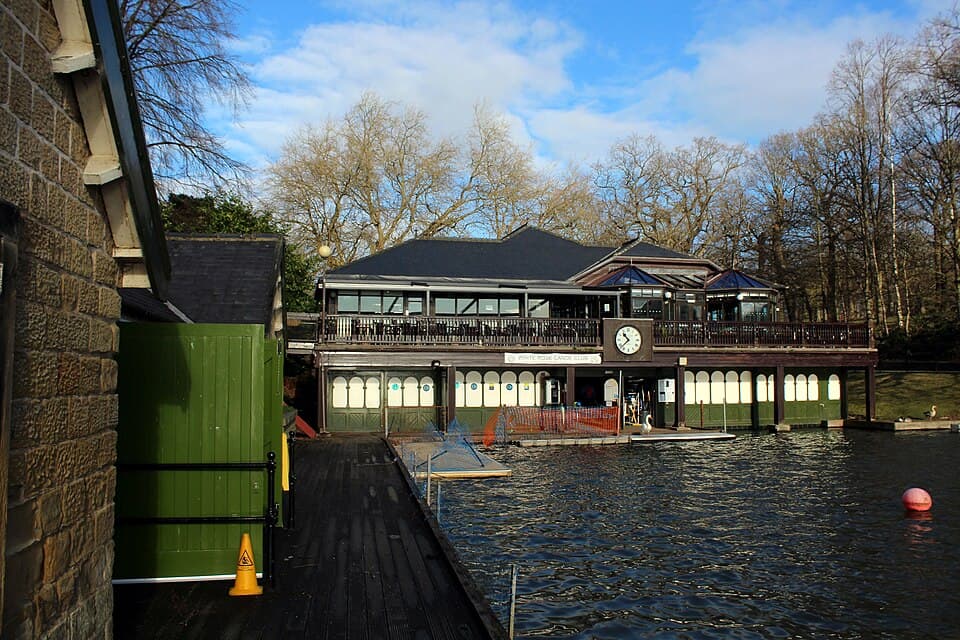
The second edition of Ironman Leeds was supposed to open with a 3.8-kilometre swim in Waterloo Lake. Instead, competitors on Sunday found themselves lining up for a duathlon, after organisers scrapped the swim entirely because of a bloom of toxic blue-green algae in the water.
Test results from Waterloo Lake, in Roundhay Park, showed algae concentrations well above the threshold considered safe for the swim to go ahead, organisers said. The decision was taken in conjunction with Leeds City Council and on the advice of the UK Health Security Agency's Environmental Hazards Team, following a spell of hot weather across the UK that triggered the bloom.
Blue-green algae, which thrives in warm, still water, can produce toxins harmful to humans and animals on contact or if swallowed, and lakes affected by it are routinely closed to bathers and open-water swimmers as a precaution.
With the swim leg pulled, the roughly 2,500 entrants who had trained for the full-distance triathlon instead raced a 180-kilometre (112-mile) bike leg followed by a 42.2-kilometre (26.2-mile) marathon, with a rolling time-trial start from transition at 7am.
The change did not go down well. Many athletes said they only found out the swim had been axed through social media posts, before any official notification arrived from the organisers by email — a sequencing that fuelled much of the anger described by British outlets covering the race.
Some competitors also pushed organisers for partial refunds, arguing that paying full price for what was billed as a three-discipline event and then racing only two of them left them out of pocket, though no refund policy has been reported.
Ironman events have been forced into similar last-minute changes before over water-quality scares, and Sunday's call in Leeds underlines how increasingly hot summers are becoming a recurring headache for open-water swimming in triathlon and endurance racing across Britain and Europe.