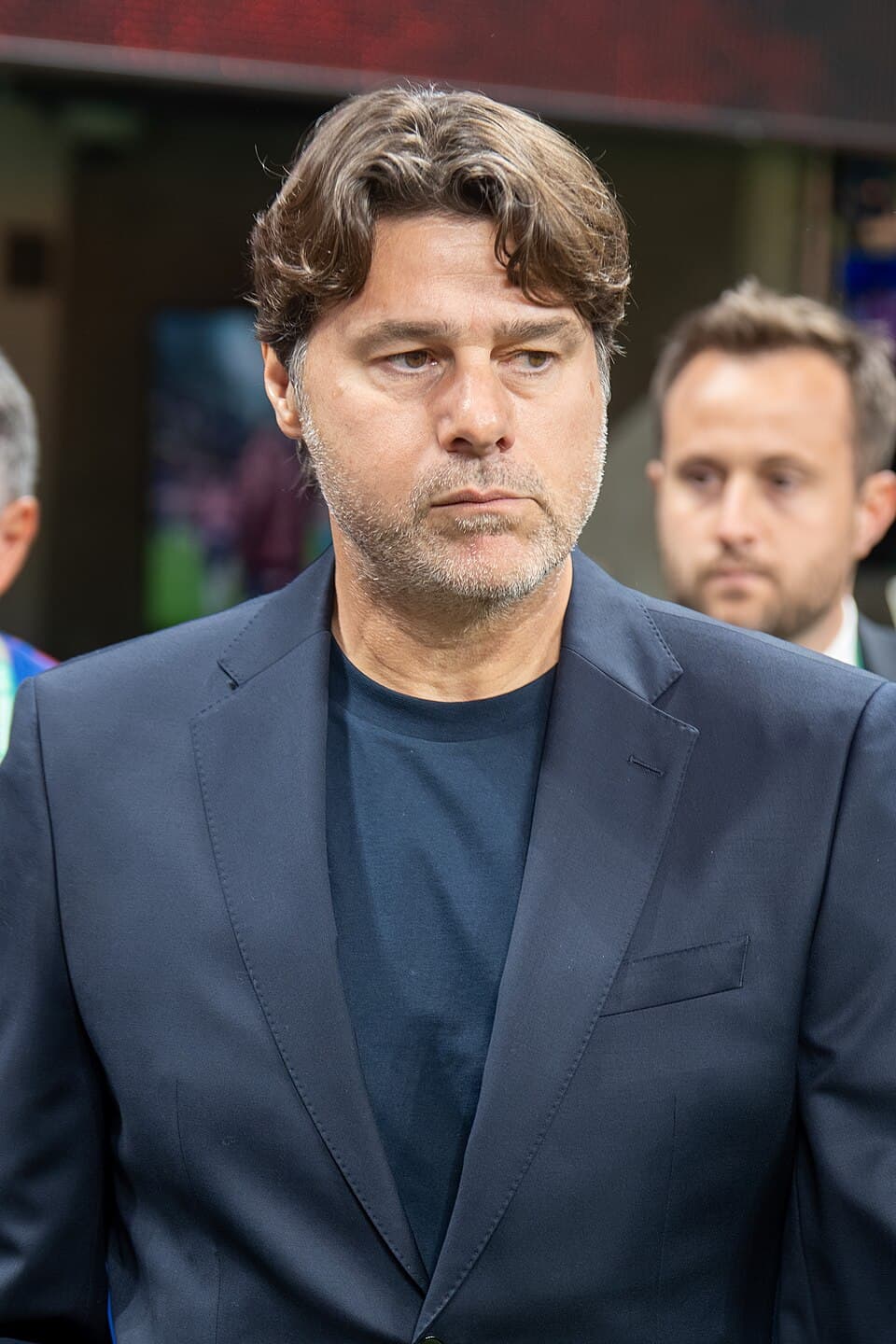
Mauricio Pochettino is closing in on a new contract to remain head coach of the United States men's national team through the 2030 World Cup, ONE reports, with the Argentine and US Soccer said to be in advanced talks over a second four-year cycle together.
Pochettino's original deal was tied to the 2026 World Cup cycle, and both sides had agreed to shelve any decision on his future until after the tournament US Soccer co-hosted this summer alongside Mexico and Canada.
The Americans topped their group on home soil and won a knockout-round match for the first time in a decade, a genuine marker of progress under Pochettino since his appointment in September 2024.
The run ended painfully, however, with a 4-1 defeat to Belgium in the round of 16 that exposed how far the squad still has to travel before it can be considered a serious contender on the biggest stage.
That uneven finish has not derailed the negotiations. US Soccer CEO and secretary general JT Batson said the federation remains fully engaged in extending Pochettino's stay, describing the talks as active and forward-looking.
"We are in active talks with Mauricio and his team about the future," Batson said, according to reports cited by ONE. "We all share the belief that the best days of American soccer are still ahead."
Pochettino himself struck a similarly upbeat tone in the aftermath of the Belgium loss, signalling he was open to staying on rather than using the World Cup exit as a natural exit point of his own.
"We have built a very good relationship, I am happy here," he said, pointing to the bond he has forged with US Soccer's staff and players over the past two years.
The main uncertainty hanging over the renewal is European interest. Pochettino has been repeatedly linked with vacancies in the Premier League and with AC Milan during his USMNT tenure, and any concrete offer from a major club could still complicate a deal that both sides otherwise appear to want.
For now, though, the direction of travel points toward continuity: a coach who delivered a first knockout win in ten years and the framework of a squad U.S. Soccer believes can peak by the time the 2030 World Cup arrives in Spain, Portugal and Morocco.