Britain has asked FIFA to investigate the political banner Argentina's players displayed after their 2–1 World Cup semi-final victory over England. The request pushes the episode beyond a provocative celebration, putting a formal question to the governing body: did the message breach FIFA's ban on political and ideological messaging inside stadiums?
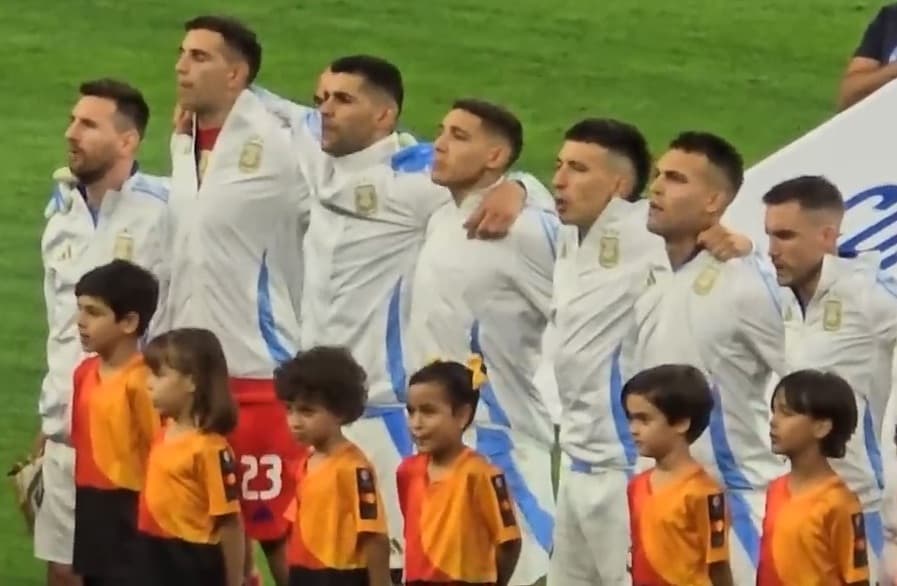
The banner read 'Las Malvinas son Argentinas' — 'The Malvinas are Argentine' — and appeared on the field in Atlanta moments after Lautaro Martínez's added-time winner sent the defending champions into Sunday's final against Spain. Giovanni Lo Celso was among the group holding it, attaching a territorial claim directly to the victory image from one of the tournament's most watched matches.
Prime Minister Keir Starmer's office backed the call for FIFA scrutiny, restating Britain's position that the future of the islands — known in Britain as the Falklands and in Argentina as the Islas Malvinas — rests with the islanders themselves. Business Secretary Peter Kyle called the players' conduct inappropriate. FIFA had not announced a disciplinary finding when this report was updated, so an investigation or sanction should not be treated as a settled matter.
Argentina's president, Javier Milei, endorsed the sentiment while drawing a line between the players' emotions and state policy. He called the display understandable and the sovereignty claim valid from Argentina's perspective, but said football should stay separate from the diplomatic track — and acknowledged the team could face a fine. It was political cover for the banner, not a new diplomatic initiative.
The dispute beneath the celebration remains unresolved. The United Nations lists the islands as a Non-Self-Governing Territory administered by the United Kingdom and records an active sovereignty dispute between the British and Argentine governments; its decolonisation committee continues to call for a peaceful, negotiated solution. Argentina maintains its claim. Britain rejects it and backs the islanders' stated wish to remain a British Overseas Territory.
Those positions were forged in war and tested at the ballot box. Argentina invaded the islands in April 1982, and British forces retook them after a 74-day conflict that killed hundreds of Argentine and British service personnel and three islanders. In a March 2013 referendum, 1,513 voters — 99.8 per cent of valid votes cast, on a reported 92 per cent turnout — chose to retain British Overseas Territory status. Argentina does not accept that vote as settling the question of sovereignty.
FIFA has punished political messaging on this exact theme before, including an Argentine team display about the islands in 2014. That precedent makes disciplinary action plausible, but it doesn't decide the current case in advance. The questions now are what FIFA's present code actually covers, whether this on-field display falls within it, and what proportional response the governing body settles on once it has reviewed the circumstances.
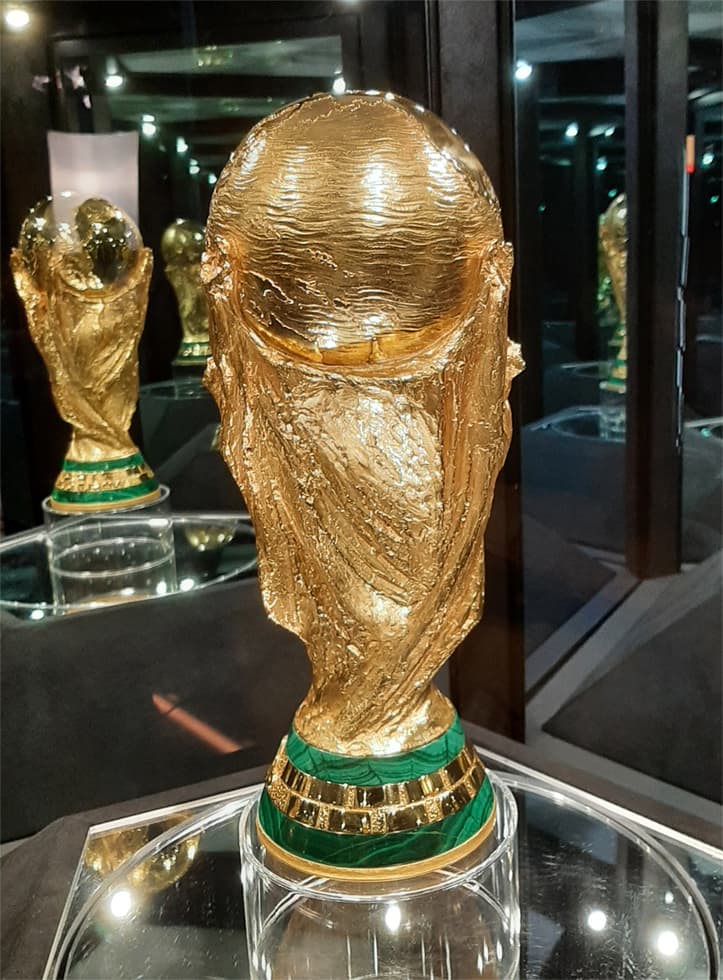
The tournament, meanwhile, moves on regardless. Argentina are preparing to face Spain and attempt to become the first men's team since Brazil in 1962 to retain the World Cup. The banner now follows them to East Rutherford as both a live diplomatic dispute and a possible disciplinary case — a consequence created after the semi-final whistle, not by anything that happened during the match itself.