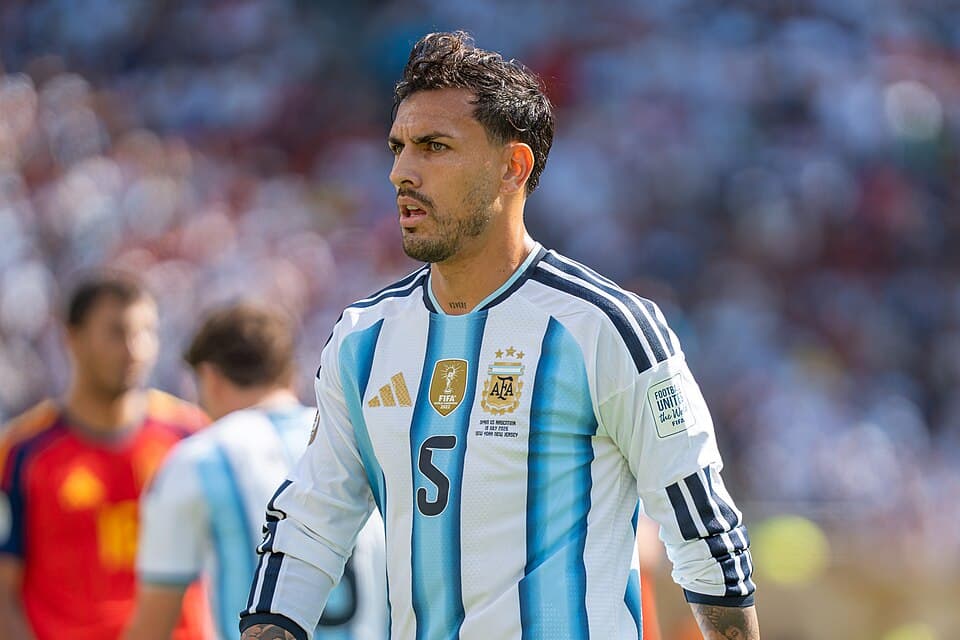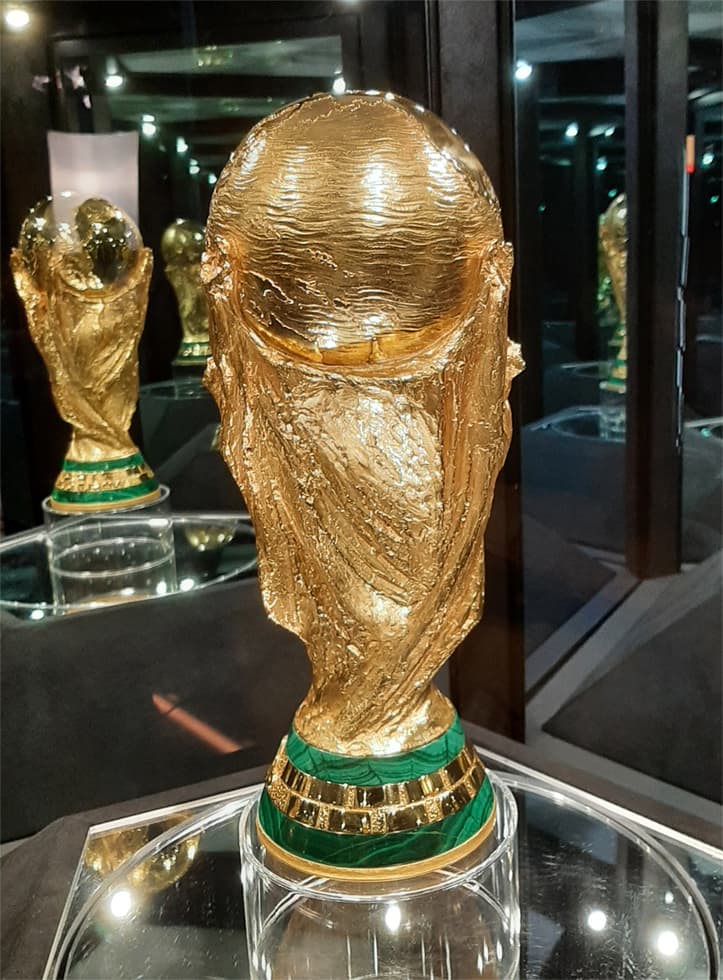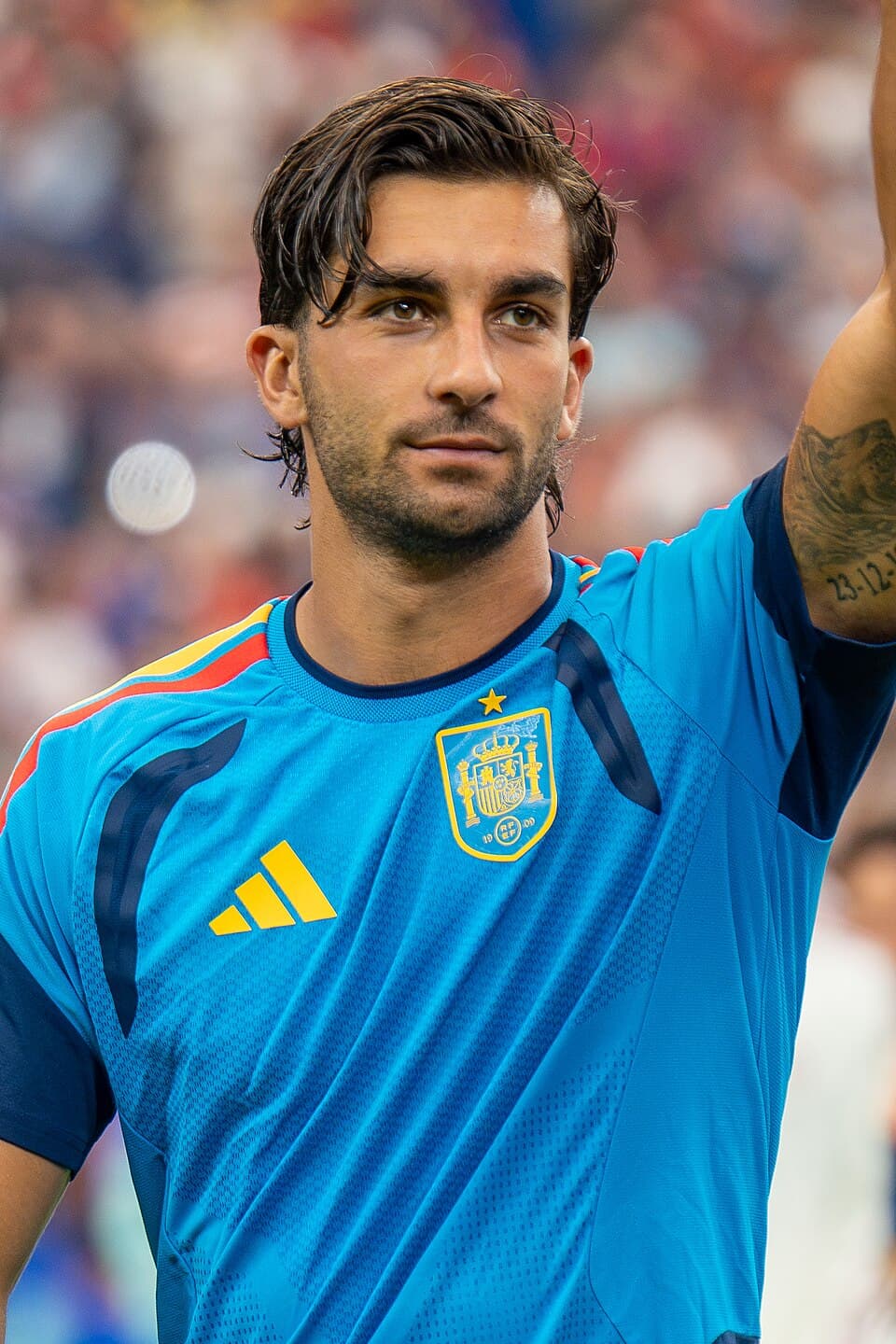
Spain are champions of the world. On a heavy summer night at MetLife Stadium, the European champions beat Argentina 1-0 after extra time to win the 2026 World Cup, their second star arriving sixteen years after their first. It took 106 minutes, a red card, a disallowed goal and the finest goalkeeping display a final has ever seen before Ferran Torres, a 62nd-minute substitute, finally broke Argentina — volleying into the roof of the net after Nico Williams headed Pedro Porro's cross into his path.
For 90 minutes the pattern never wavered. Spain passed, probed and pinned Argentina into their own third, finishing with 65 per cent of possession and 20 shots to Argentina's two. The holders did not manage a single shot on target all night, a statistic without precedent in a World Cup final of the modern era.
That it remained goalless so long was down to one man. Emiliano Martinez's 11 saves were the most ever recorded in a World Cup final, according to figures carried by ESPN and the Associated Press.
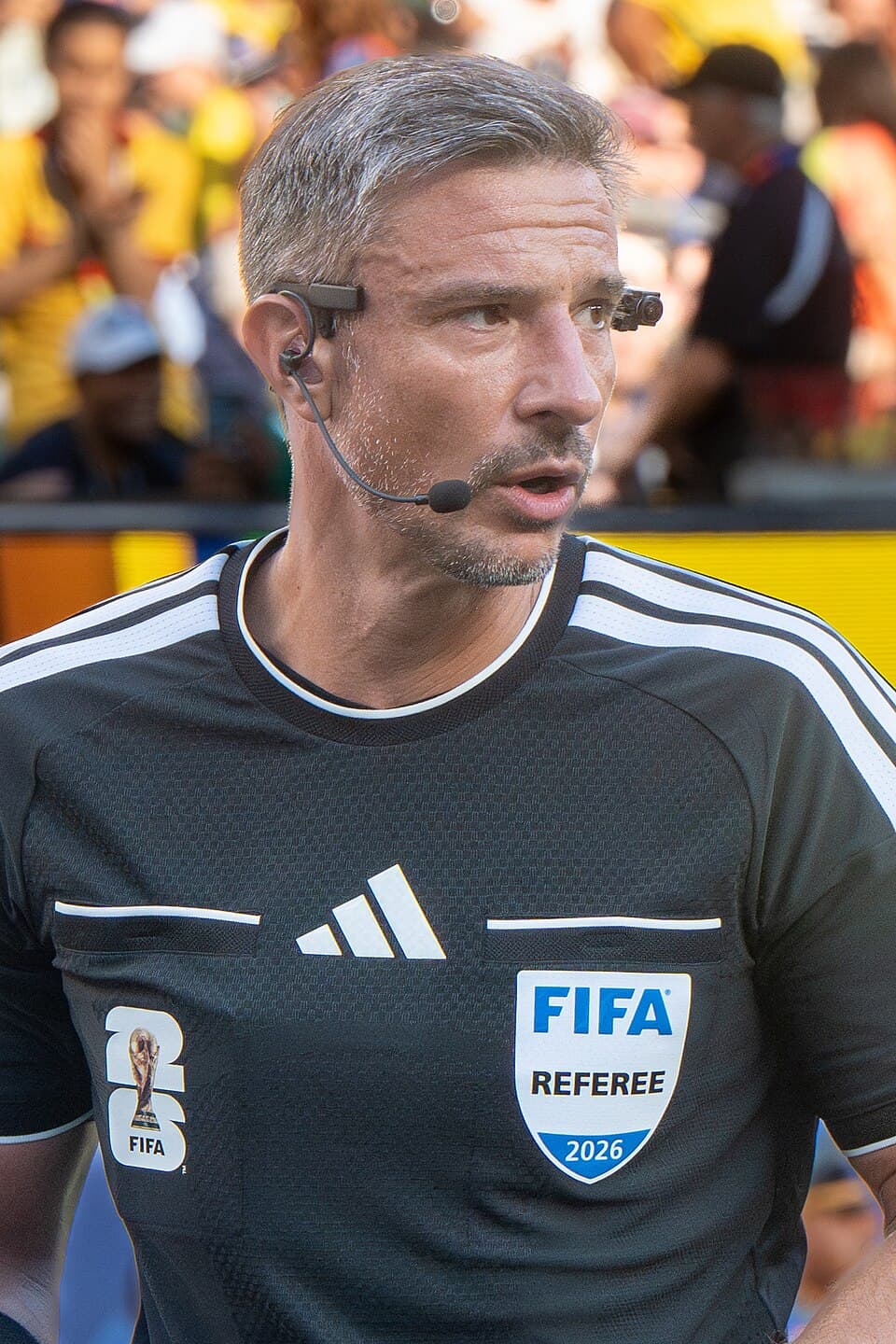
The match turned in stoppage time of the 90. Enzo Fernandez, booked in the 82nd minute for dissent, launched into a reckless challenge that sent Pau Cubarsi somersaulting, and Slovenian referee Slavko Vincic showed the Chelsea midfielder a second yellow card in the third added minute. The decision was widely reported as justified, and it condemned Argentina to face half an hour of extra time with ten tired men against the deepest squad in the tournament.
Even then Argentina were reprieved twice. Martinez clawed away a Williams effort in the 93rd minute, and when Williams did put the ball in the net early in extra time, the goal was ruled out for a foul on Nicolas Otamendi in the build-up — a call the AP described as another that went Argentina's way.
It only delayed the inevitable. In the 106th minute Porro crossed from the right, Williams cushioned a header across goal, and Torres — the Barcelona forward sent on to stretch a wilting defence — thrashed his finish past Martinez at last.
The records tumbled with the final whistle. Spain's unbeaten run now stands at 38 matches, surpassing the world record of 37 set by Italy between 2018 and 2021, and they conceded just one goal in the entire tournament — the fewest ever by a World Cup winner. As holders of the European Championship they are now, without argument, kings of both their continent and the world, the first side since their own 2010-12 generation to hold both crowns at once.
For Lionel Messi, 39, there was only heartbreak in what is widely expected to be his last World Cup. He became the first player to start three World Cup finals and the oldest outfield player ever to start one, but he spent the night starved of the ball, shackled by Rodri and Cubarsi, and left the pitch a beaten captain as Spain's players streamed past him towards their supporters.
In Israel, the final was a midnight festival. More than 10,000 fans packed Menora Mivtachim Hall in Tel Aviv for a municipal viewing party — moved indoors from Charles Clore Park after every ticket sold out — watching the drama unfold on giant 360-degree screens with the atmosphere of a home fixture, Israeli media reported. When Torres scored, the basketball arena, more accustomed to Maccabi Tel Aviv's European nights, shook like it does for a buzzer-beater.
The night may also have settled football's next great argument. Lamine Yamal, 19, quiet by his standards yet always threatening, adds a World Cup to a Euro at an age when most players are still waiting for a debut, and Goal.com's power rankings already listed him as the bookmakers' Ballon d'Or favourite before kick-off.
The tournament's official verdict followed within the hour. Rodri, Spain's metronome, was named player of the tournament ahead of Messi; Unai Simón took the Golden Glove after a record 650 consecutive minutes without conceding; Pau Cubarsí was voted the best young player; and Kylian Mbappé's ten goals had already sealed the Golden Boot. As Messi's era closed in New Jersey, the succession was standing 30 metres away, wearing the same number ten — for the other side.