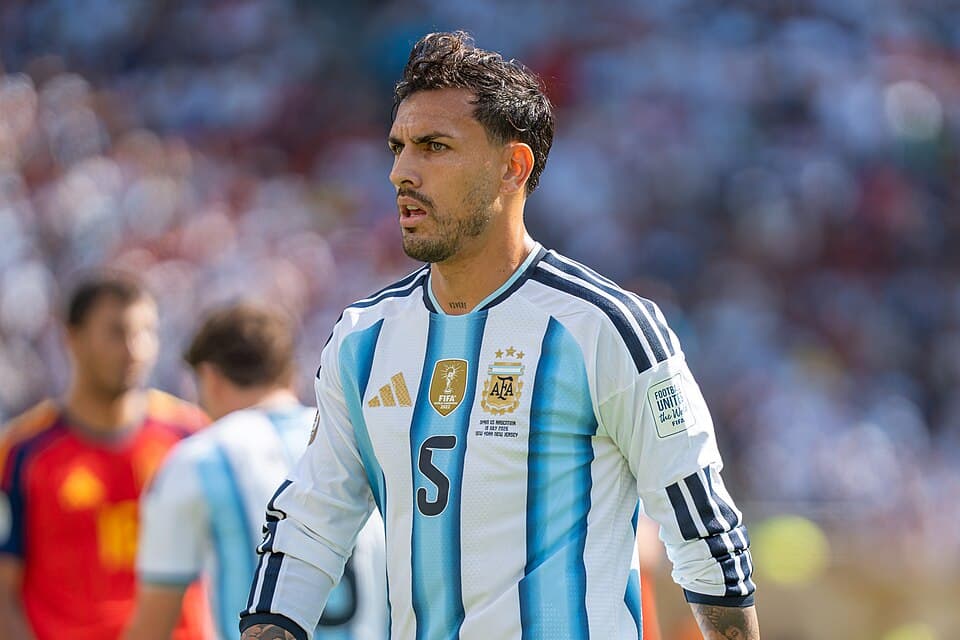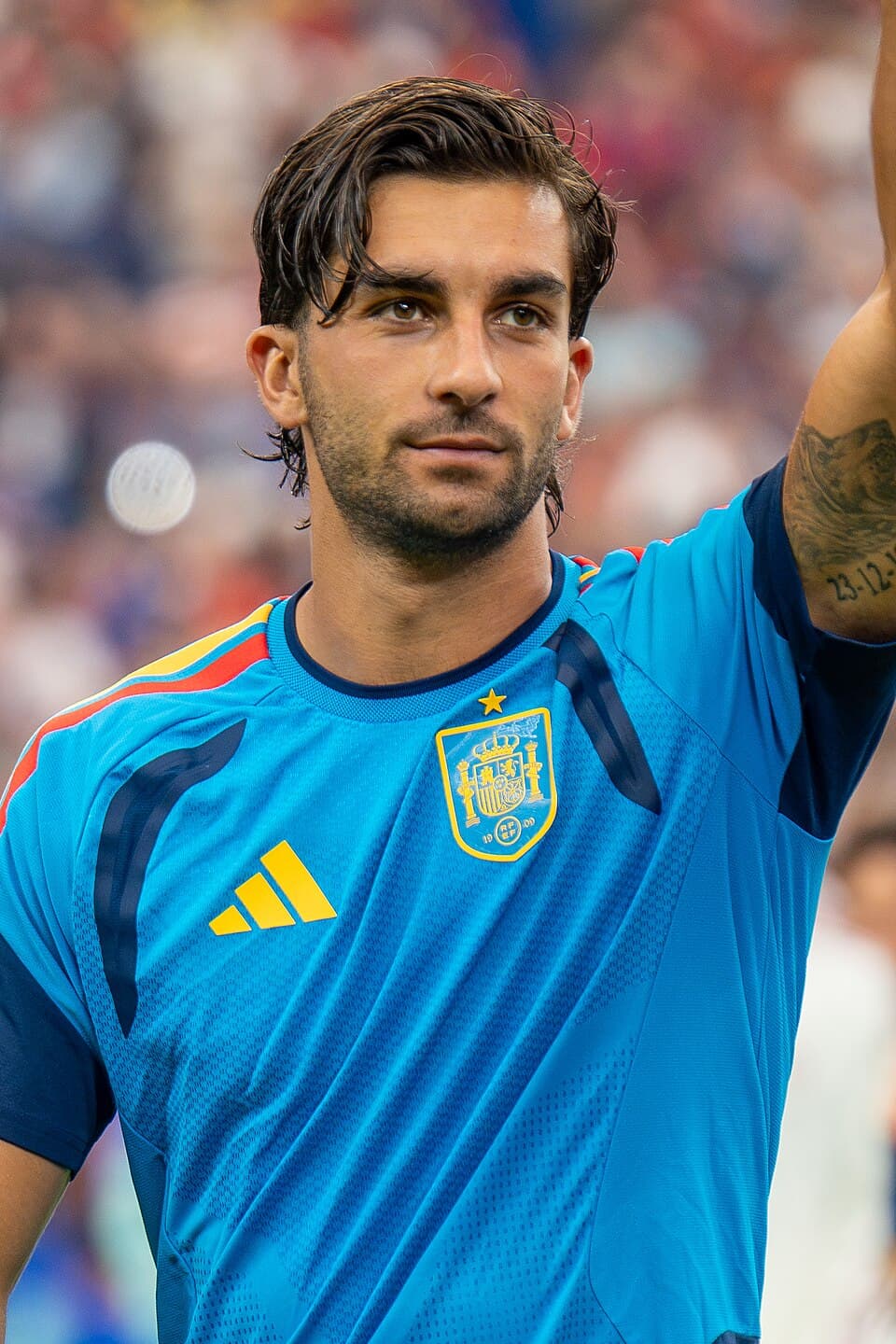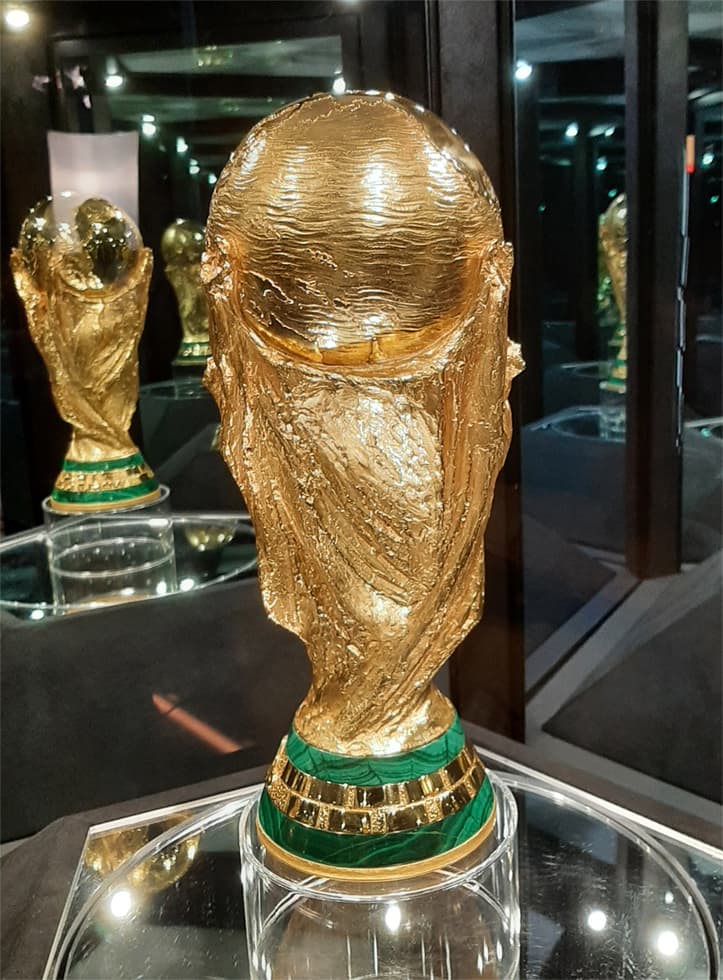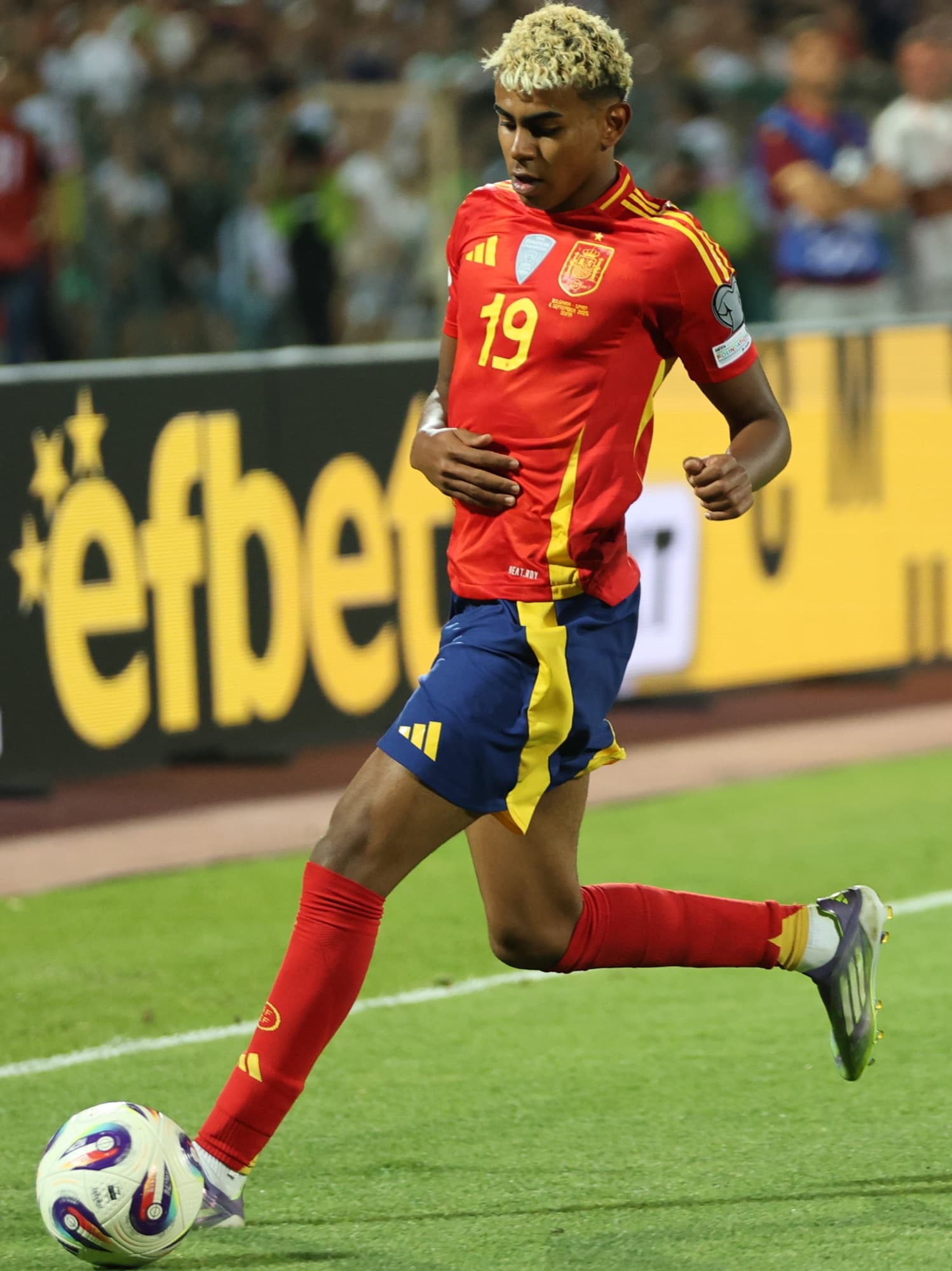
The temptation is to market Sunday's World Cup final as a private appointment between Lionel Messi and Lamine Yamal. It is an irresistible image: the defining player of one generation opposite the young attacker already being asked to carry the next. It is also a poor tactical description. Messi and Yamal will shape the final most profoundly through the decisions they force from players nowhere near them, and the trophy will go to whichever team can move that risk into ground it is prepared to defend.
The competitive frame is unusually rich. Argentina reached New York New Jersey by recovering from a 55th-minute deficit to beat England 2-1; Spain arrived through a controlled 2-0 victory over France. FIFA's schedule places the final on Sunday, 19 July, and it will be the first World Cup final between the reigning world champions and the reigning European champions. Argentina can become the first side since Brazil in 1962 to retain the trophy, while Spain are chasing the second world title in their history.
The coaches add a layer of familiarity to that history. Luis de la Fuente taught Lionel Scaloni during his coaching education in Spain, and both have spoken publicly about their friendship. It will sharpen the contest without removing either man's need to solve what the other team has become.
Spain's central question is how aggressively to use the width that has helped them dictate territory. Yamal can receive outside the opposing block, carry a defender towards him and open an inside lane for a midfielder or overlapping runner. The value is not the isolation alone but the chain reaction it triggers: Argentina must decide whether the nearest midfielder shifts across, whether the full-back steps out, and who then protects the pass released behind that pressure. Spain want the defending side making several connected choices at speed.
Argentina's answer cannot simply be to assign more bodies to Yamal. Every extra defender pulled towards Spain's right side widens the space elsewhere, especially if the first clearance is not secured. Scaloni's team need the near-side pressure forceful enough to delay the attack and the far side compact enough to contest the next pass — a problem of distances rather than bravery. Let those distances stretch and Spain can keep the move alive without asking Yamal to beat two players himself.
Messi poses the inverse problem. He does not need to stay fixed in one lane, so Spain cannot solve him with a permanent marker without damaging their own midfield geometry. Follow him with a centre-back and Argentina gain depth for a runner; drop a midfielder too early and Spain lose pressure on the next pass; leave him unattended and he receives facing forward. Spain must defend the handover — the moment responsibility for him passes from midfield to defence without either line losing shape.
That makes possession after possession loss the final's most consequential phase. Spain can advance for long stretches with structure intact, but the players stationed behind that attack must be ready for Argentina's first forward pass. Messi's threat multiplies when he receives before the Spanish block has reset and a runner can attack the space beyond him. Spain do not need to eliminate every turnover — only to stop it becoming a clean, central transition where Argentina choose the timing of the final ball.
Argentina face a related burden once their own attacks end. Their comeback against England was built on sustained territory late in the match, but Spain are far more comfortable using the ball as a defensive instrument. A press that arrives in separate waves lets Spain pass around the first challenge and forces the defending midfield to cover too much ground. The champions need a clear trigger — an awkward touch, a backwards pass, a player facing his own goal — rather than energy spent on pressure Spain can see coming.
The midfield contest will therefore turn less on raw possession than on the quality of each side's next action. Spain can dominate the ball and still be exposed if their circulation leaves no cover for the loss. Argentina can accept less of it and still control the important moments if their first recovery pass escapes pressure. Neither patience nor disruption belongs to one side alone; both will need each, often within the same sequence.
Spain's first New Jersey session added a small but relevant availability question. Yamal and Pedro Porro worked separately from the main group, which the Spanish federation described as precautionary workload management. Porro has been managing a minor hamstring problem, while Yamal carries aches and bruising from the France semi-final; both are expected to be available on Sunday. Tactically it matters because Spain can protect Yamal's training load without redesigning the right side, while Porro's condition affects the depth available behind it.
The venue adds its own load. Kick-off is set for 15:00 local time in an outdoor stadium, and Spain have three days to adjust to New Jersey's heat and humidity. FIFA says the final pitch was installed in May after years of research and hybrid-stitched for consistency across the tournament, though players and teams have still criticised how the surface has played. A physically draining afternoon, or a ball that does not move as cleanly as either side expects, would favour compact distances and controlled accelerations over continuous pressure.
The bench may prove decisive given how differently the match could unfold. Argentina's late semi-final winner came from substitute Lautaro Martínez, a reminder of how a fresh reference point in the penalty area can change the value of territory already won. Spain's task is different: their replacements must preserve the spacing and counter-pressing that make their possession coherent, not simply add fresh dribbling. A final that stays level will reward control of fatigue; an early goal will test whether the leading side can keep making its opponent defend.
Messi and Yamal deserve the billing because they can do things almost no one else on the pitch can. But the more revealing contest lies in the architecture built around that talent — how much structure Spain are willing to place ahead of the ball, how much territory Argentina can concede without losing access to the next attack. The iconic photograph will probably contain one of the two stars. The winning mechanism is more likely to be found a few metres away, in the player who recognised where the risk had moved before the rest of the stadium did.