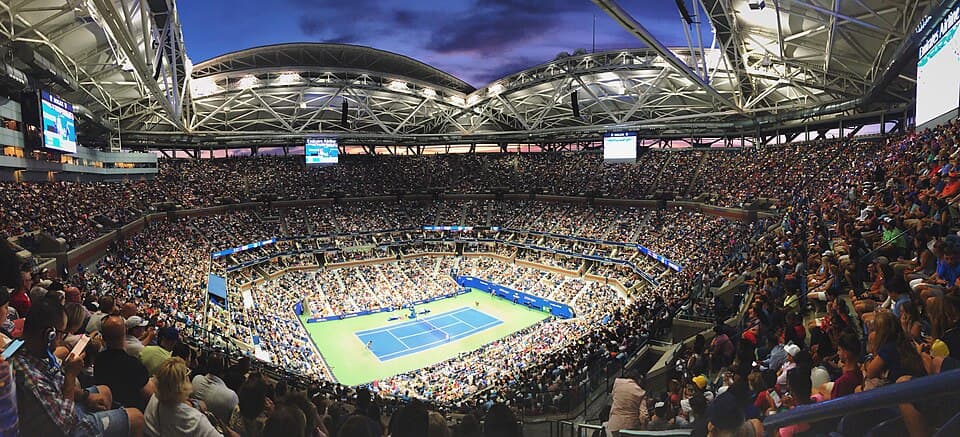
The US Open does not begin until August 31, but the numbers around it are already breaking records — and not just on court. ONE reports that resale tickets for the men's singles final on September 13 have topped $20,900, the highest price ever recorded for a seat at the tournament.
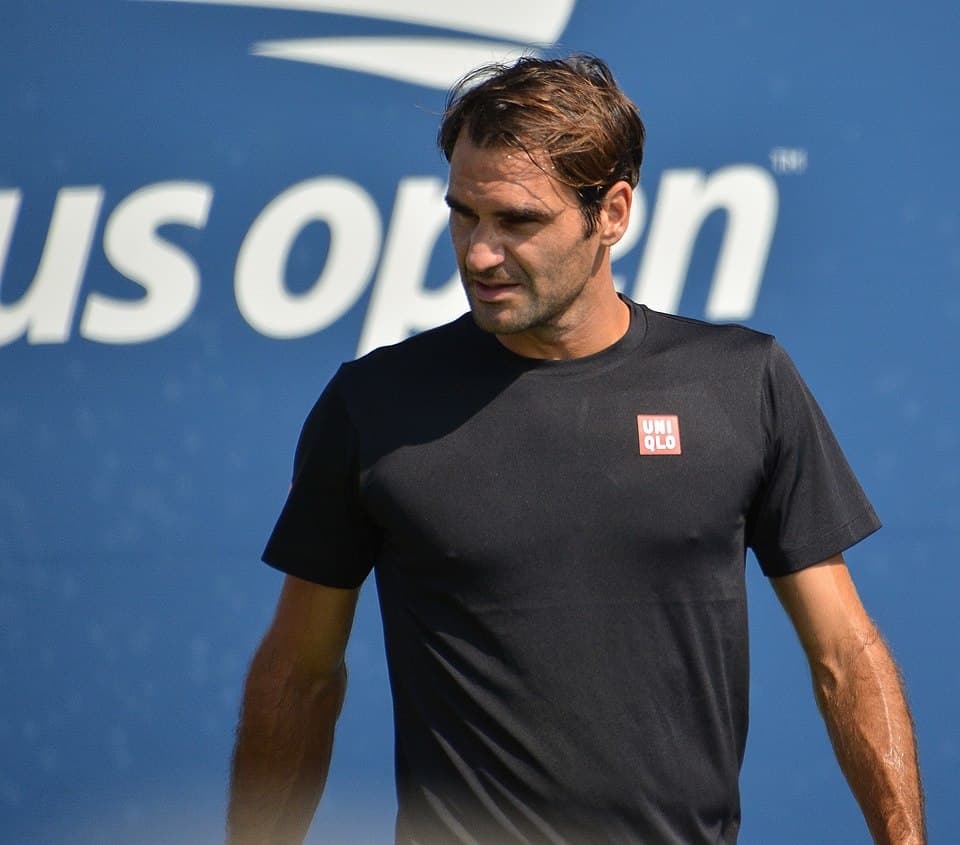
It is not only the marquee final driving the market. According to the report, a courtside seat for an exhibition featuring Roger Federer is going for close to $12,000, while even a first-round ticket in the vast Arthur Ashe Stadium can run past $400. A basic grounds pass, by contrast, still starts at $65.
Independent tracking of the resale market backs up the scale of the surge: some listings for the 2026 men's final have been quoted as high as $30,000, with over 430,000 fans reportedly in the queue for presale access to Ashe for that match alone.
The prices sit against a backdrop of extraordinary financial growth for the tournament's organiser. The United States Tennis Association reported $623.8 million in revenue for 2024, with $559.6 million of that generated by the US Open itself, and an operating profit above $277 million.
Prize money has climbed sharply too. ONE cites a total purse of $90 million for the tournament, a 20 percent jump on the previous year, with singles champions each collecting $5 million — figures that mirror the well-documented rise in Grand Slam payouts as players push for a bigger share of Slam revenues.
The tension between those two trends — soaring ticket prices for fans and rising, but still contested, prize money for players — is the crux of the report. As ONE puts it, the biggest matches at the sport's showcase events are increasingly "accessible only to wealthy individuals and commercial enterprises."
Some of that revenue is being funnelled into the site itself. The USTA is in the middle of an $800 million renovation of the Billie Jean King National Tennis Center in Flushing Meadows, rebuilding Arthur Ashe Stadium's interior, adding roughly 2,000 courtside seats and a new player performance centre, funded entirely by the governing body with no city money involved. The project is due for completion in 2027.
For now, though, the story at Flushing Meadows this summer is less about the tennis and more about what it costs to watch it — a dynamic organisers will be reminded of again once the gates open in four weeks.