The Argentine Football Association has told its players and staff it intends to formally appeal the raft of FIFA sanctions imposed after ugly scenes at the end of the World Cup final, ONE reports, setting up a fight that could ultimately land at the Court of Arbitration for Sport.
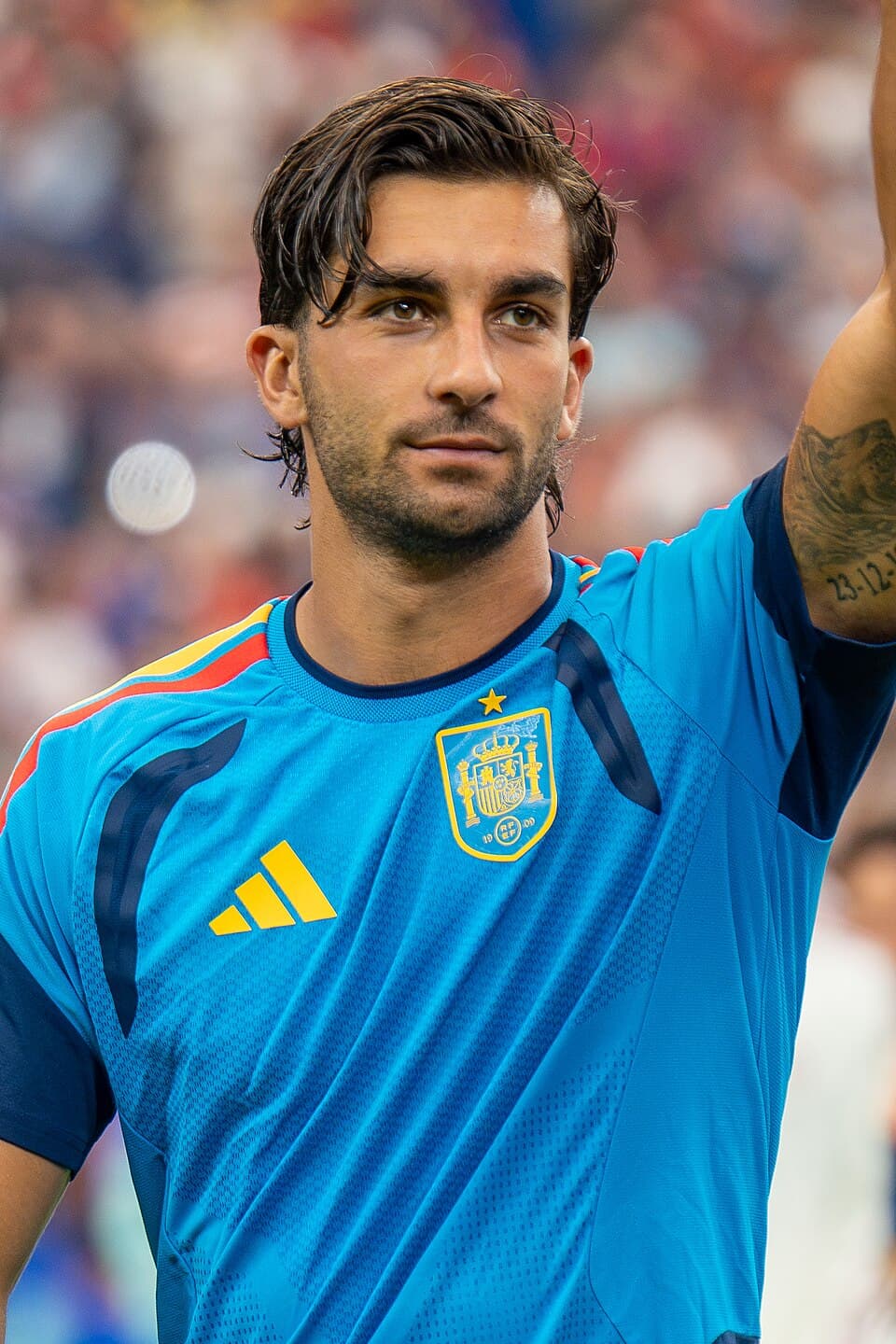
The punishments stem from ugly scenes at the final whistle in East Rutherford on 19 July, when Spain beat Argentina 1-0 after extra time thanks to Ferran Torres' 106th-minute winner, denying Lionel Messi's side a second successive world title. Argentina had already been reduced to 10 men after Enzo Fernández was sent off in the second half.
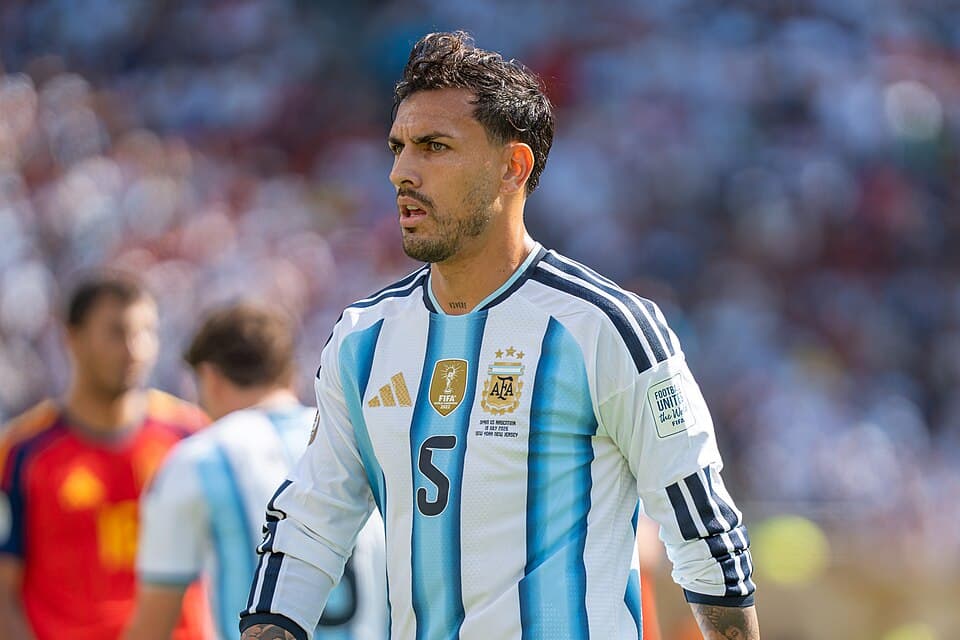
As full time was confirmed, players from both squads clashed. FIFA's disciplinary committee found Leandro Paredes responsible for three separate assault incidents, including grabbing Spain's Eric García by the throat and shoving Gavi to the ground, and handed the Boca Juniors midfielder a 10-match ban and a $90,000 fine — a suspension that, given the international calendar, will effectively keep him out of the Argentina squad until the middle of 2027.
Nahuel Molina was also sanctioned over two assault counts, including an alleged blow on Spain captain Rodri, and was banned for seven matches with a $90,000 fine of his own. Thiago Almada received a one-match ban and a $30,000 fine, while assistant coach Roberto Ayala — cited for one count of assault and one of unsporting conduct — was suspended for three matches and fined $30,000. Spain's Gavi was separately banned for one match.
FIFA did not stop at individual punishments. The federation itself was fined $321,000 for a string of breaches across the tournament, among them the discriminatory chanting of sections of the Argentina support, and the banner declaring "Las Malvinas son Argentinas" unfurled by players after the semi-final win over England. Argentina were additionally ordered to play their next two home fixtures with the stadium capacity cut by half.
In its statement, the AFA said it would first request FIFA's full written reasoning for each decision "for examination," before lodging formal appeals with the governing body's own appeals committee. Should those appeals fail, the federation said it was "retaining the possibility of resorting in the future to the Court of Arbitration for Sport as a last resort."
The stakes are significant for Argentina's rebuild after the final defeat. Paredes has been one of the more experienced heads in the squad's midfield, and a ban running close to a year would strip Argentina of him through most of the 2026-27 international calendar, including any early World Cup qualifying-adjacent fixtures and friendlies before the next major tournament cycle. Molina's absence for seven matches similarly weakens a defence that already lost Fernández to suspension in the final itself.
FIFA's disciplinary panel has treated Paredes' punishment as comparable in severity to the four-match ban imposed on Uruguay's Luis Suárez in 2014, underlining how seriously the governing body viewed the final-whistle brawl. Whether an appeals committee — or, eventually, CAS — is persuaded to reduce any of the sanctions remains to be seen; Argentina previously succeeded in having a similar Messi-era ban rescinded on appeal, which will give the federation's legal department some cause for optimism this time around.