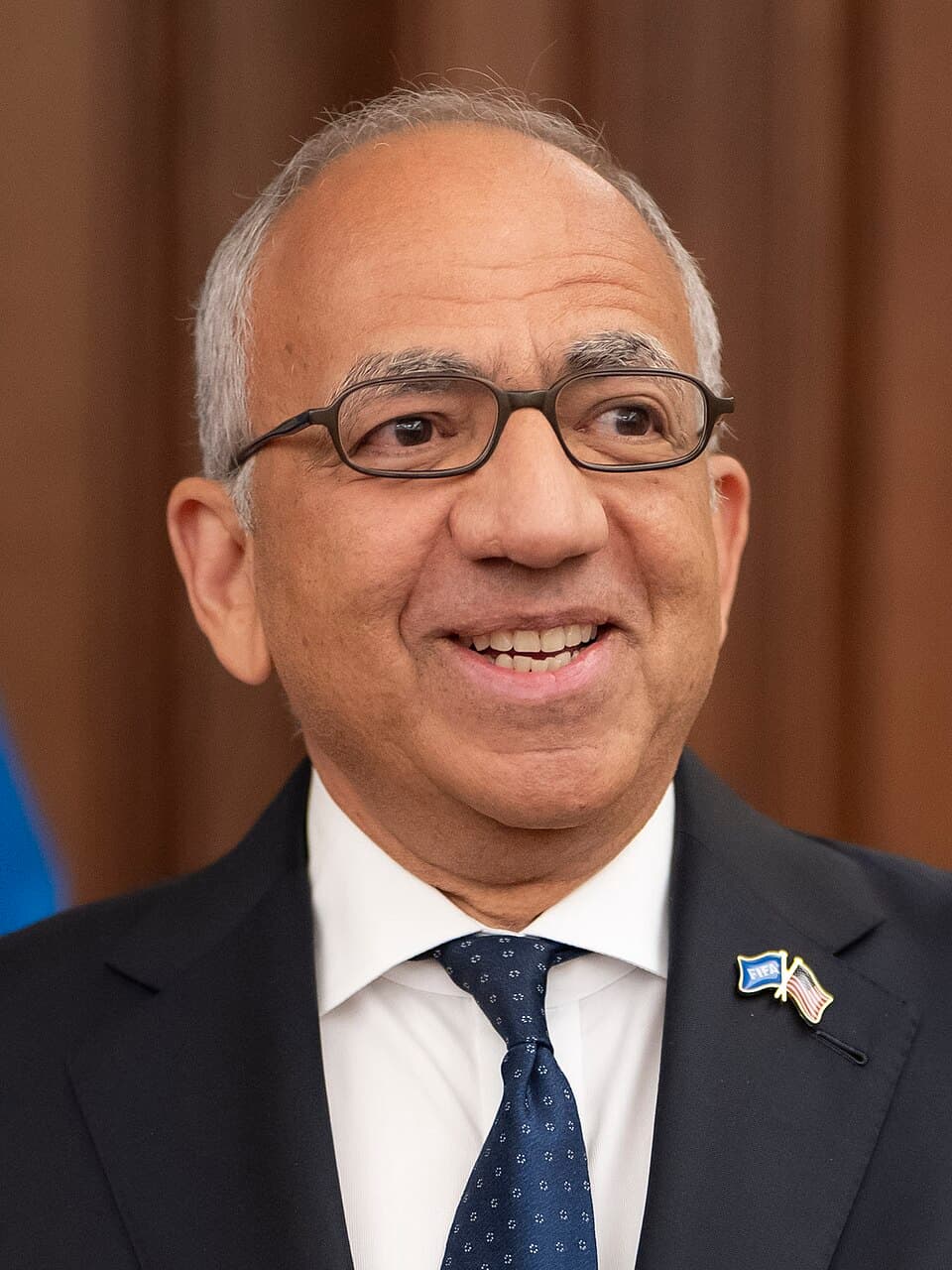
Gianni Infantino's push to bring private money into the World Cup has claimed its first senior casualty inside his own camp. Carlos Cordeiro, one of the FIFA president's most trusted advisers, resigned on Friday, saying he could not stand by a plan he called "the worst deal for world football".
Cordeiro did not go quietly. In his resignation statement he wrote that he had "no part in this proposal" and opposed it "firmly and unequivocally" — an unusually blunt break from a figure who had operated at Infantino's side for years, including a seat on the White House Task Force for the 2026 World Cup in the United States.
The plan at the centre of the row would spin FIFA's commercial operations — the rights to the men's and women's World Cups and the Club World Cup — into a new subsidiary, tentatively valued at $20 billion, with up to 20 percent sold off to outside investors. FIFA says the sale would raise roughly $4.2 billion.
Cordeiro rejected the logic outright. "Selling a permanent stake in football's most valuable asset to raise $4.2 billion makes little sense," he said, arguing it amounted to "mortgaging football's future without any compelling justification" for an organisation that operates debt-free and sits on billions in reserves.
The identity of the prospective anchor investor has only sharpened the controversy: Thrive Eternal, a firm launched by Joshua Kushner, brother of Jared Kushner, the son-in-law of US President Donald Trump. The proposed tie-up with a Kushner-linked fund has fed criticism that the deal is as much about political proximity to Washington as football finance.
FIFA has framed the plan as a way to sharply increase support for its 211 member associations, lifting the federation development budget for 2027-2030 to $20 million per association, up from $8 million currently, with an optional $20 million advance available immediately from the proceeds.
That pitch has not softened the opposition. UEFA has already accused Infantino of "crossing a line", insisting the World Cup is not FIFA's alone to sell, and ONE reports that European, North American and Asian confederations had all pushed back on the proposal even before Cordeiro's resignation.
Cordeiro, a former U.S. Soccer Federation president and one-time Goldman Sachs banker, was seen as a bridge between Infantino and American football and political interests — making his public break all the more damaging to a plan already fighting for support on several continents.
With his own senior adviser now among the plan's most visible critics, Infantino finds himself increasingly isolated on an initiative he has pitched as transformative for FIFA's finances but which, for now, has united much of the sport's governing establishment against him.