Nearly two months after a rival club's complaint first put Ironi Tiberias under investigation, ONE reports the case has hardened into three distinct, overlapping legal fronts - each with its own defendants, its own timeline, and its own potential punishment for a club playing only its second-ever season in Ligat Ha'al.
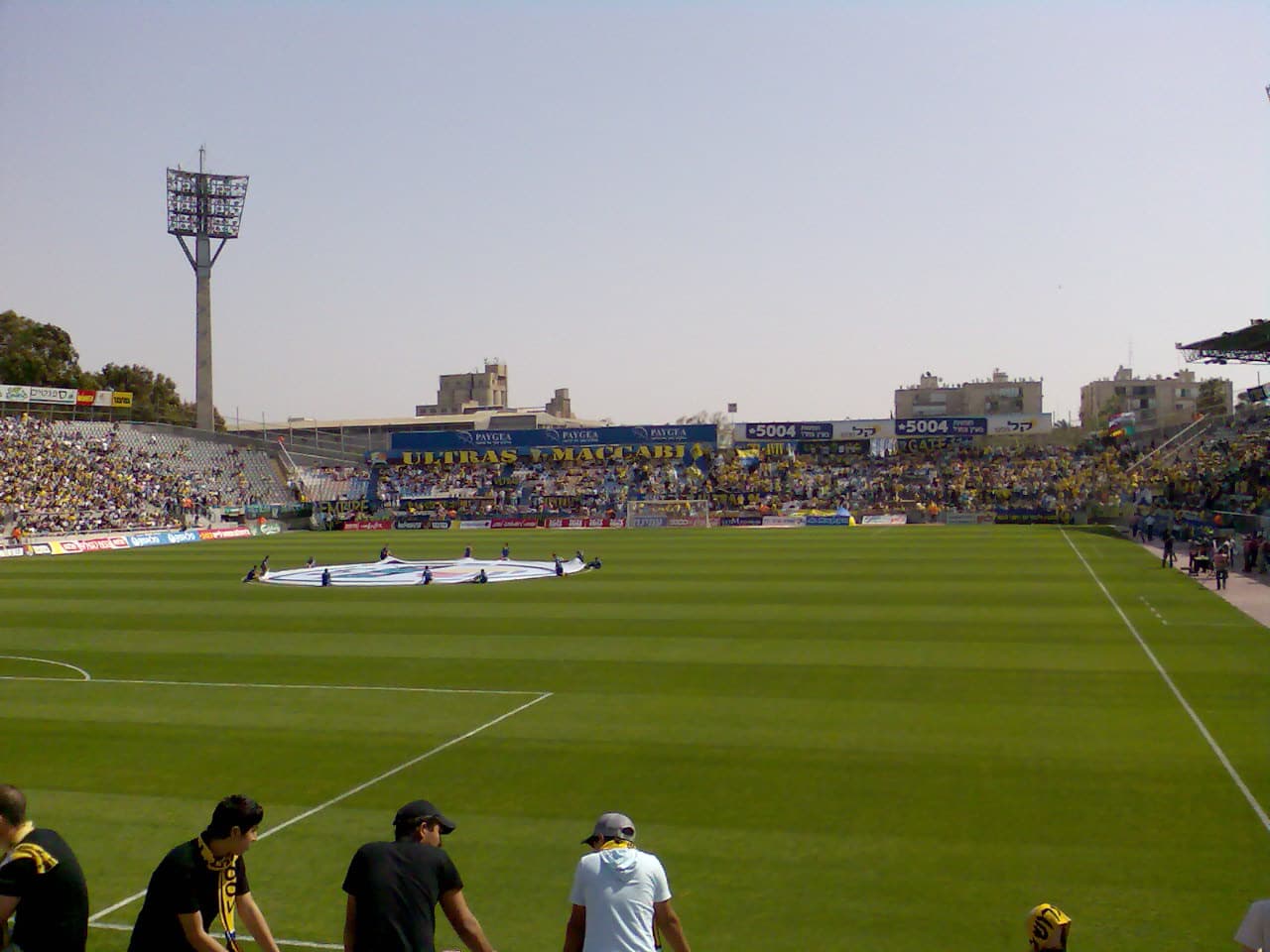
It began on the pitch. On May 3, in round 30 of the second-tier "lower playoff," Tiberias beat F.C. Ashdod 3-0 at home, with goals from Sambinia, Batcho and Hadida - a result that lifted the hosts to 10th place on 27 points and dropped Ashdod below the relegation line.
Ashdod did not let the result stand unchallenged. On June 21, the club's legal representatives filed a formal complaint with the Israeli Football Association alleging Tiberias players had received intravenous saline infusions before kickoff in volumes well beyond what anti-doping rules allow - more than 100 millilitres within 12 hours of competition. That threshold exists not because saline itself is a banned substance, but because large infusions can mask traces of substances that are.
Israel's national anti-doping agency moved quickly, provisionally suspending coach Eliran Hudda, technical director Chen Sol and fitness coach Shlomi Vadrero along with five players - David Kaltin, Guy Hadida, Niv Gutlieb, Sambinia and Yonatan Tafer - pending hearings under the WADA-aligned disciplinary code.
The first front now runs against the coaching staff and ownership. ONE reports six individuals face formal charges from the anti-doping agency over organizing and administering the infusions, plus separate allegations tied to evidence-handling and obstruction during the investigation: Hudda, Sol, Vadrero, club owner Miki Bitan, team manager Gabriel Cohen and staff member Aviv Jibli.
The second front concerns the five suspended players. ONE reports settlement negotiations are under way in their cases, though any deal cannot be finalized without sign-off from the World Anti-Doping Agency, whose approval Israeli authorities need before closing out a case of this kind.
The third front runs through the Football Association itself. Its prosecutor has, according to ONE, already prepared a formal indictment against the club - but is holding it back for now, pending the outcome of the players' settlement talks, with the federation reportedly ready to file immediately if those negotiations collapse.
Other Israeli outlets covering the case in recent weeks, including Walla and Sport1, have reported that a serious indictment against the club is expected regardless of how the players' track resolves, though the expectation is that any punishment will stop short of relegation or a points deduction - with Hudda, as head coach, seen as facing the heaviest individual sanction.
Tiberias and its ownership - the club is run by the Doroth Group, headed by businessman Aryeh Kalmanzon - have consistently denied wrongdoing. Kalmanzon has said the substance given to players was simple saline, administered "within legal frameworks" and in permitted volumes to guard against dehydration, and the club has signaled it will not accept a rushed plea agreement, preferring to fight the case through the sport's legal channels if it comes to that.
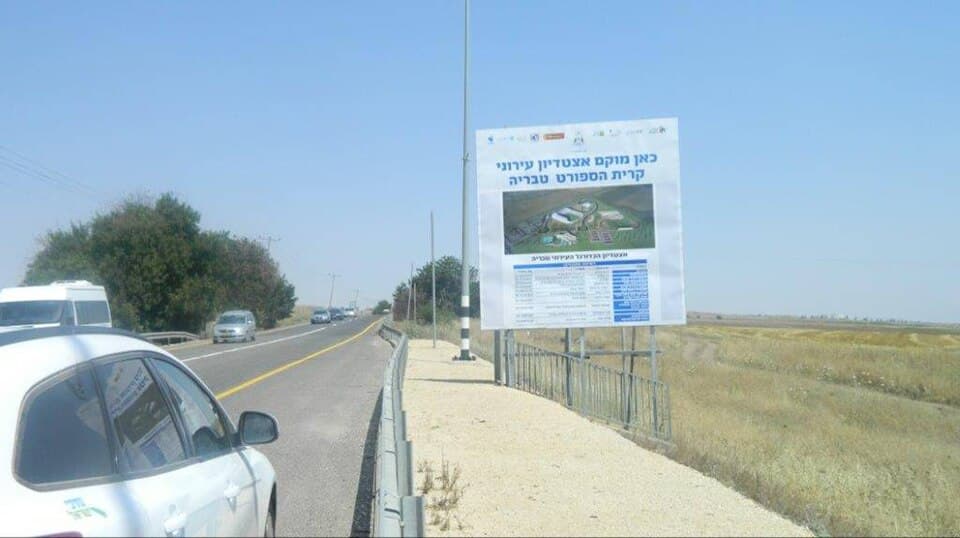
For a club that reached the top flight for the first time only in 2024, the stakes are considerable. A serious verdict against the organization, layered on top of individual sanctions for its coach and players, would land just as Tiberias tries to establish itself in Ligat Ha'al - with the rest of Israeli football already stirring toward the new 2026/27 season.