Beitar Jerusalem’s traditional open training session produced a serious safety concern when Omer Atzili and Yarden Cohen were burned by flares at the club’s Beit Vagan complex. Sport5 reports that roughly 5,000 supporters attended and that a large number of flares and firecrackers were set off while the players trained. The report does not give a medical classification for either player’s injury, so their condition should not be described more precisely until the club provides one.
The problem extended beyond two isolated contacts with pyrotechnics. According to Sport5, firefighters were called after a fire spread inside the training complex. That turns the episode from familiar pre-season theatre into a question of crowd management and player safety. The photographs and atmosphere surrounding an open session can be powerful for a club, but the sporting value disappears quickly when players, staff or supporters are placed in danger.
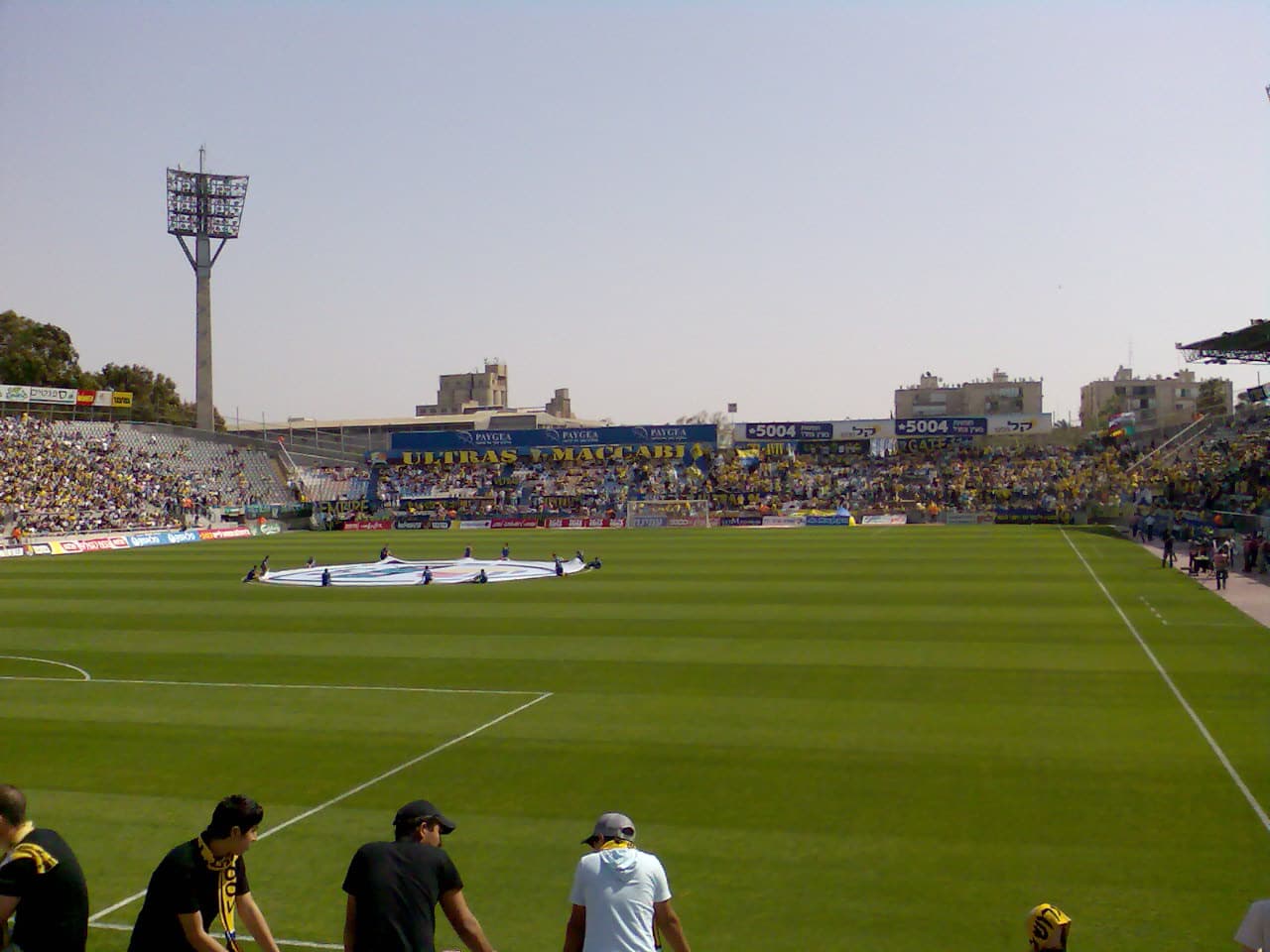
ONE separately reported that thousands of supporters filled the session with songs, flares and players being carried on shoulders. Its coverage framed the turnout as evidence of belief around Beitar after the club’s strong season-ticket sales. That enthusiasm is real and commercially significant, but it also makes the distinction between celebration and control more important. A large crowd inside a working training facility needs routes, boundaries and enforcement suited to the number of people present.
The timing raises the immediate football question. Beitar are preparing for domestic opposition and the Conference League qualifying programme, and Atzili remains one of the side’s most influential attacking players. Cohen is also an important first-team option. Until examinations or an official club update are available, it would be wrong to claim either player will miss a match; it is equally wrong to treat burns sustained during training as a harmless detail.
The next responsible update should answer three concrete points: the severity of both injuries, whether either player’s training load changes, and what operational review follows the fire. The incident should not be inflated with unverified medical language, but it should not be reduced to colourful footage either. Sport5’s report establishes that two players were hurt and emergency personnel attended the complex.
Beitar’s support can be one of the club’s largest competitive and financial assets. Protecting that atmosphere requires the club and relevant authorities to make sure the next open event can retain its intensity without asking players or spectators to absorb avoidable risk. For now, the injuries—not the spectacle—are the part of the session that demands follow-up.