Beitar Nordia Jerusalem closed the 2025 calendar year with a deficit of 766,208 shekels, according to the association's financial statements as reported by ONE — the fifth consecutive year the fan-owned Jerusalem club has finished in the red.
The numbers show total income of 2,523,039 shekels against total expenses of 3,289,247 shekels, leaving the gap of roughly 766,000 shekels that gives the report its headline figure.
It is an improvement on the club's worst year: the deficit peaked at 1,409,952 shekels in 2023, and has been trending down since, ONE reports, largely thanks to belt-tightening on the wage bill.
Salary cuts introduced from the middle of 2024 have sharply reduced the club's top pay packet. The association's highest earner took home 77,482 shekels across all of 2025, ONE reports — a fraction of the 167,928 to 191,792 shekels top earners had received in previous years.
On the expenses side, salaries across the club's operations came to 1,519,749 shekels, with a further 1,590,196 shekels in other operational costs. On the income side, the statements list 136,151 shekels in municipal support, 657,773 shekels in donations from within Israel, and 443,690 shekels in other support and allocations, among the club's revenue lines.
The financial strain came in a difficult season on the pitch. Beitar Nordia's senior team finished bottom of Liga Alef South in the 2025/26 campaign, ONE reports, and was heading for relegation to Liga Bet before the season was halted amid the fighting with Iran — sparing the club the drop.
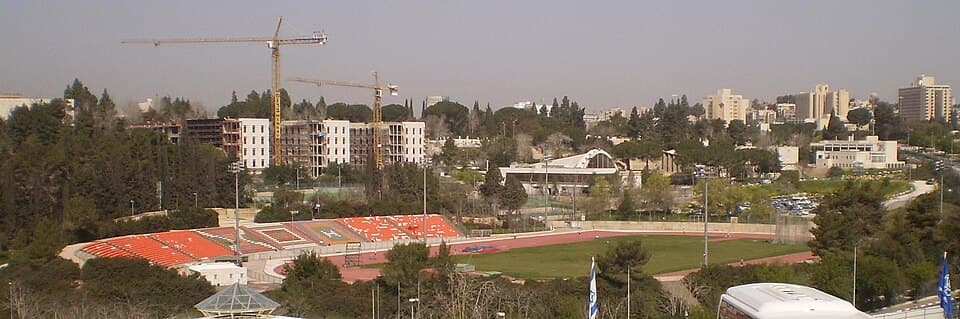
Beitar Nordia Jerusalem is not to be confused with the top-flight Beitar Jerusalem FC. It is a separate, supporter-owned association founded in 2014 by Beitar Jerusalem fans who opposed racism and violence in the stands and broke away in protest at the influence of the La Familia fan group. The club plays its home matches at the 4,000-capacity Hebrew University Stadium at Givat Ram.
Five straight years of losses illustrate the tightrope facing fan-owned clubs in Israel's lower leagues, where gate receipts and sponsorship rarely cover running costs and associations lean heavily on municipal grants and members' donations to survive.