León, Mexico, was a strange place for an Israeli team to make history, but on 20 October 1968 that is exactly what happened — twice over. Israel's footballers, unfancied outsiders at the Mexico City Olympics, had fought their way into the quarter-finals. They would leave the Estadio León, known locally as the Nou Camp, having lost nothing on the pitch and everything to a drawing of lots.
Israel had arrived in León in form. Under coach Emmanuel Scheffer, the team opened Group C by beating Ghana 5-3, with Yehoshua Feigenbaum scoring a hat-trick and Giora Spiegel adding two, then defeated El Salvador 3-1 through goals from Rachamim Talbi, Mordechai Spiegler and Shraga Bar. A 0-2 defeat to Hungary in Guadalajara could not stop Israel finishing second in the group, enough to reach the knockout stage against Bulgaria.
The quarter-final was tight from the first whistle. Bulgaria's Georgi Hristakiev, a defender by trade, put the Eastern Europeans ahead after just five minutes, and for long stretches it looked as though that single goal would be enough. Israel pressed and probed without reward until the 89th minute, when Feigenbaum forced the ball past the Bulgarian goalkeeper to level the score and send the match into extra time.
Thirty more minutes changed nothing. Both defences held, and 1-1 the game stayed. In 1968, world football had no mechanism for a penalty shoot-out — FIFA and the International Olympic Committee still settled deadlocked knockout ties the way they had for decades: by chance. So the referee called the two captains together at the centre circle.
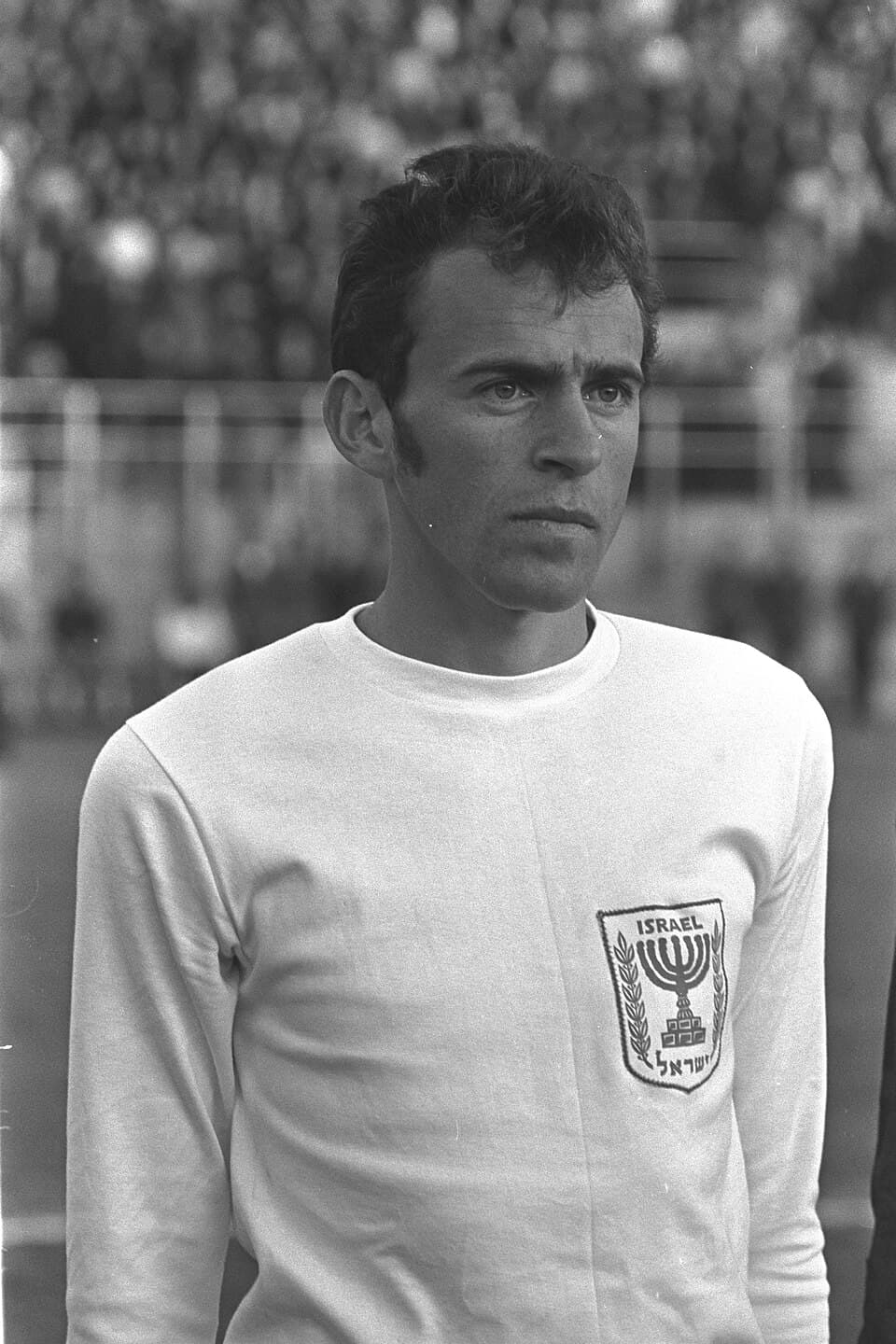
What happened next has become one of the most retold scenes in Israeli sporting history. Slips of paper, one marked with a winning mark and one blank, were placed inside a large sombrero. Israel's captain, Mordechai Spiegler, reached in first and drew the loser. Bulgaria's captain drew the other. On the toss of a coin dressed up as a football tradition, Bulgaria went through to the semi-finals and Israel's Olympic tournament was over.
Bulgaria made the most of their reprieve, advancing to the final before losing to Hungary and taking home the silver medal — a result built, in part, on a piece of paper pulled from a hat in León. For Israel's players, there was nothing to appeal and no replay to demand. The rules of the day made no distinction between misfortune and defeat.
The injustice of it did not sit well back home. Yosef Dagan, secretary-general of the Israel Football Association, and Micha Almog, chairman of the association's technical committee, could not accept that a team's fate should turn on a blind draw rather than the players' feet. In 1969 the pair wrote to FIFA president Sir Stanley Rous, describing the drawing of lots as a cruel and unjust way to decide a match, and proposing an alternative: a shoot-out of five penalty kicks per side, continuing in sudden-death fashion if the teams still could not be separated.
FIFA's International Football Association Board took up the idea, and in 1970 the penalty shoot-out was formally written into the laws of the game. Its first competitive use came that August, in a League Cup tie between Manchester United and Hull City. Dagan received no official credit from FIFA for the innovation, but in Israel his role in the shoot-out's invention has never been in doubt.
There was one more twist. Two years after their sombrero heartbreak, several of that same Olympic side — Mordechai Spiegler and Giora Spiegel chief among them — were back in Mexico wearing Israel's colours, this time at the 1970 World Cup, the only one Israel has ever reached. The team that had been undone by a lottery in León had, almost by accident, changed football's laws for everyone who came after them.
Every shoot-out played since — in World Cups, European finals, and school-yard tournaments — traces a line back to that afternoon in the Nou Camp, when an Israeli captain pulled a losing slip from a Mexican sombrero and two footballing officials decided that fate deserved a fairer contest.