Twelve months earlier, Maccabi Tel Aviv had blown the season apart in a way nobody expected, thrashing Skipper Bologna in a Tel Aviv final so lopsided it is remembered for the scoreboard, not the scoreline. The harder question, in the spring of 2005, was whether Pini Gershon's team could do it again. No club had managed to defend the EuroLeague title since the competition adopted its modern format in 2000–01; Kinder Bologna, Panathinaikos, Barcelona and Maccabi itself had each taken a turn at the top, one season at a time, before handing the trophy on.
The 2005 Final Four was staged in Moscow's Olimpiysky Arena, a cavernous venue built for the 1980 Olympics, with host club CSKA seen by many as the team to beat on its own floor. That script tore up in the semifinals on 6 May: Tau Cerámica Vitoria, the ambitious Basque club built around Dejan Bodiroga and a deep Spanish and Serbian rotation, stunned CSKA 85–78, while Maccabi eased past Panathinaikos 91–82 to set up a final nobody had quite predicted.
Two days later, in front of 13,607 fans, Tau pushed Maccabi hard. The Basque side had matched the Israelis possession for possession into the second half, and with the game locked at 62–60 in the third quarter it still felt like anyone's final. Then Šarūnas Jasikevičius, the Lithuanian guard who had already won a EuroLeague title with Maccabi the year before, took the game by the throat, igniting a 7–0 run that tipped the balance for good.
Maccabi pulled clear and closed out a 90–78 win that never again looked in serious doubt. Jasikevičius finished with 22 points, six rebounds and five assists, numbers that made him an easy choice as Final Four MVP — his second such honour in as many years, and one that put him alongside Arvydas Sabonis as the only Lithuanians to win it. Around him, Maceo Baston added 18 points and Nikola Vujčić chipped in 13 points and 7 assists from the middle, the kind of scoring balance that had carried Maccabi through the whole campaign.
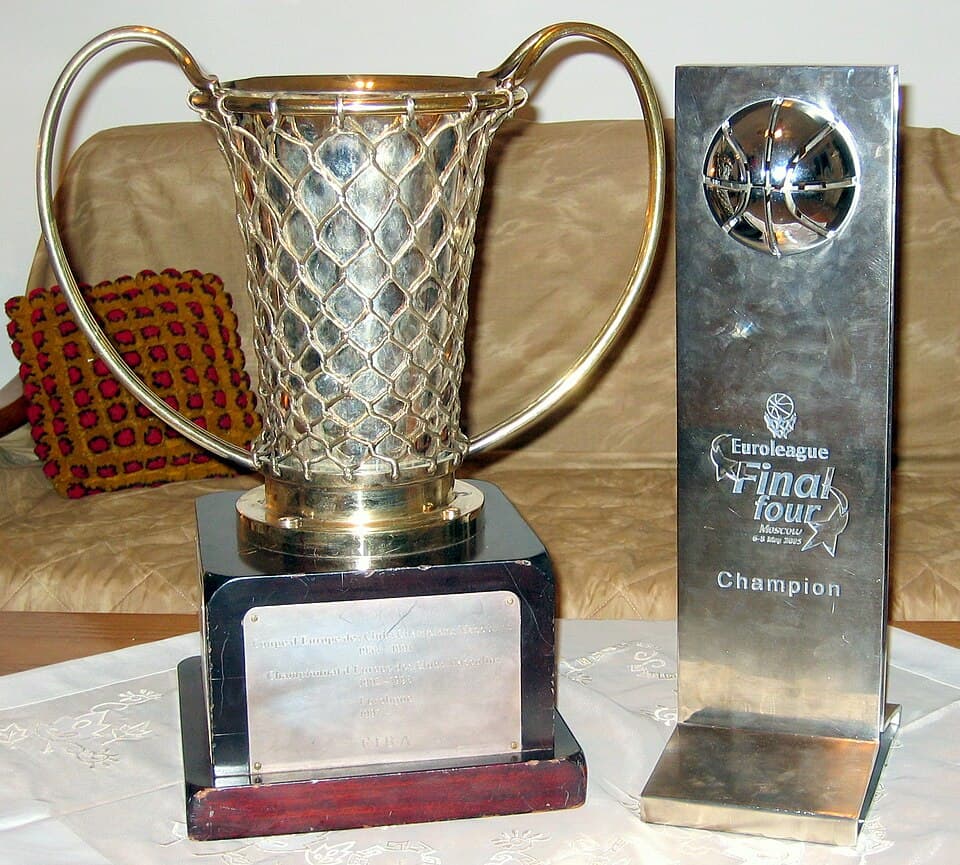
The victory made Maccabi the first club to retain the EuroLeague championship since the tournament's rebrand under ULEB five years earlier — a repeat that had eluded Bologna, Panathinaikos and Barcelona before them. It was the club's fifth European title in all, stretching back to Ralph Klein's continental breakthroughs of the 1970s, and it confirmed Maccabi, coached by the brash and unapologetic Gershon, as the dominant force in European basketball of the mid-2000s.
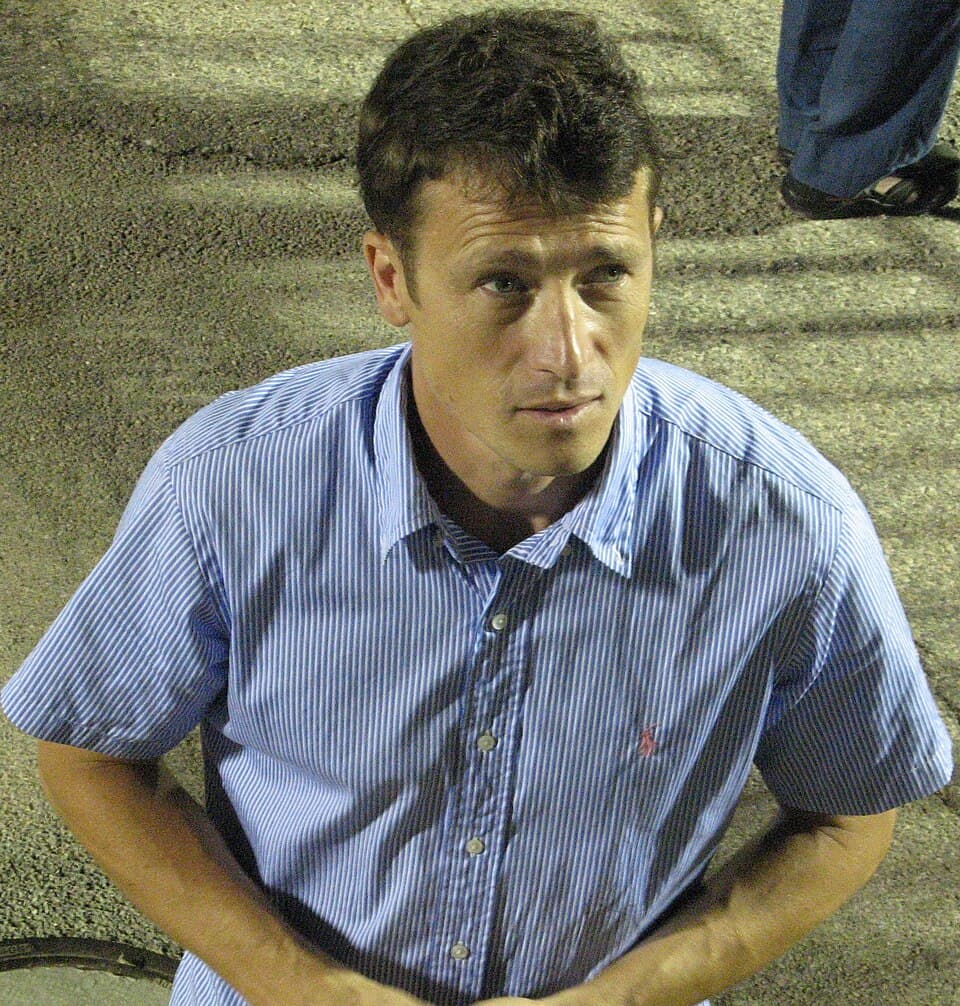
Gershon's reward went beyond the trophy itself: he became the first coach honoured with what is now known as the Alexander Gomelsky Trophy for EuroLeague Coach of the Year, an award instituted that same season and named for the Soviet coaching legend who had died only months earlier. For a coach whose confrontational public style had made him as many critics as admirers, back-to-back EuroLeague titles were an answer that needed no translation.
The roster that took the floor in Moscow was a snapshot of how Maccabi built its dynasty — a handful of naturalized and imported stars around a core of Israeli internationals. Derrick Sharp, the Orlando-born guard who had become an Israeli citizen through marriage in the 1990s and would go on to captain the club for over a decade, anchored the backcourt alongside Jasikevičius. Israeli players Tal Burstein, Gur Shelef and Yotam Halperin filled out the rotation behind the likes of Vujčić, Baston and Anthony Parker, the mix of homegrown talent and recruited firepower that had become the club's trademark under Gershon.
For Maccabi Tel Aviv, the Moscow final closed out a two-year run that Israeli basketball had never produced before and has not fully repeated since — not simply winning Europe's biggest club prize, but winning it back. Twenty years on, the 90–78 scoreline in the Olimpiysky Arena is remembered less for the trophy itself than for the seven straight points that decided who would keep it.