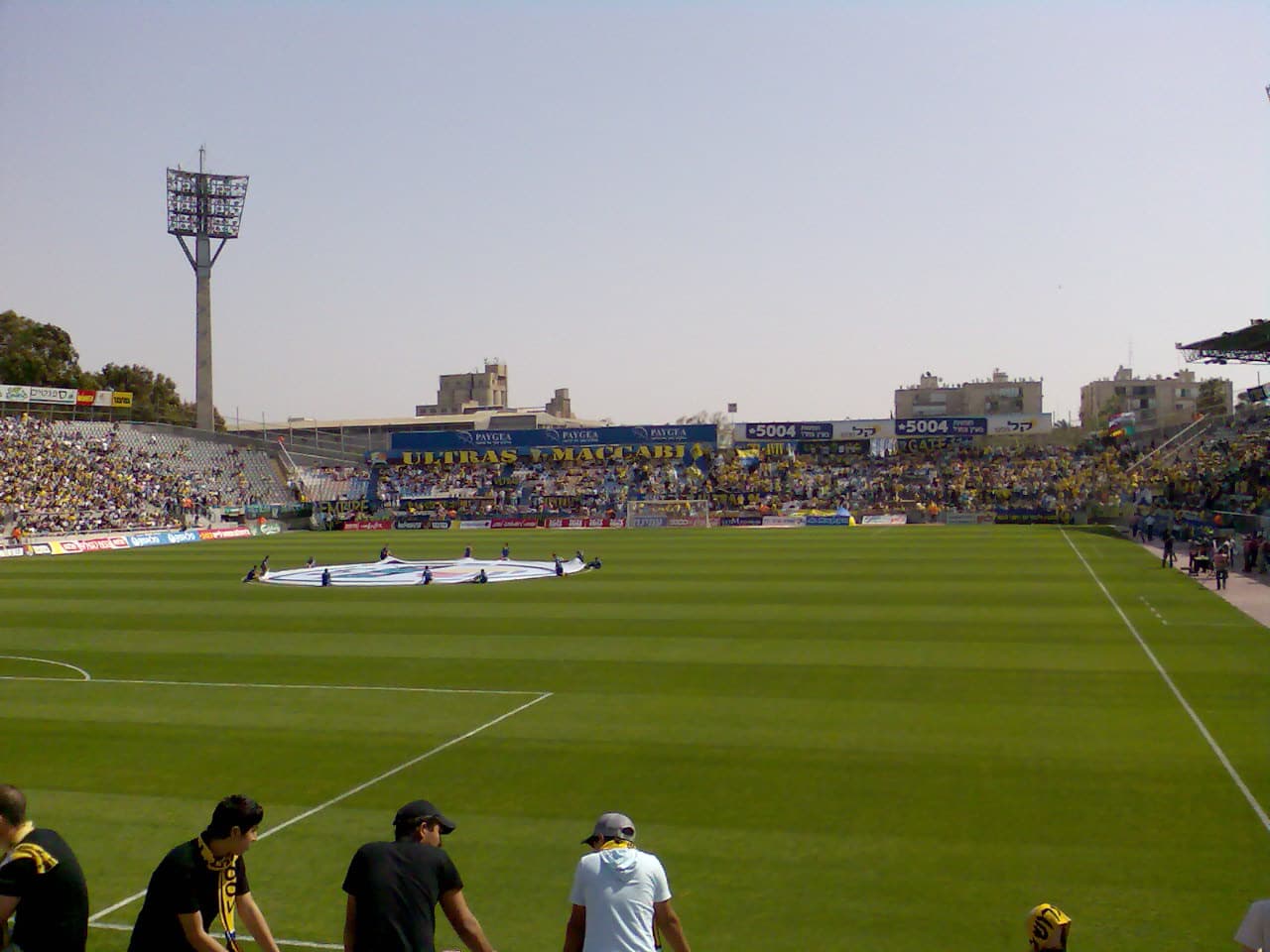
Hapoel Beer Sheva have two days to ready themselves for the heaviest test of their European summer: hosting Red Star Belgrade at Turner Stadium on Tuesday in the first leg of the Champions League's third qualifying round.
Progress, or even just a workable scoreline to take to Belgrade, would keep alive the Israeli champions' hopes of reaching the play-off round and a lucrative shot at the group phase. Defeat to one of the continent's grandest names would end that dream at the first serious hurdle.
Writing on ONE, pundit and Maccabi Haifa assistant coach Guy Tzarfati laid out why Red Star should be considered favourites — an experienced, disciplined squad built for occasions like this one, with a second leg in Belgrade still to come that will carry one of Europe's most intimidating atmospheres.
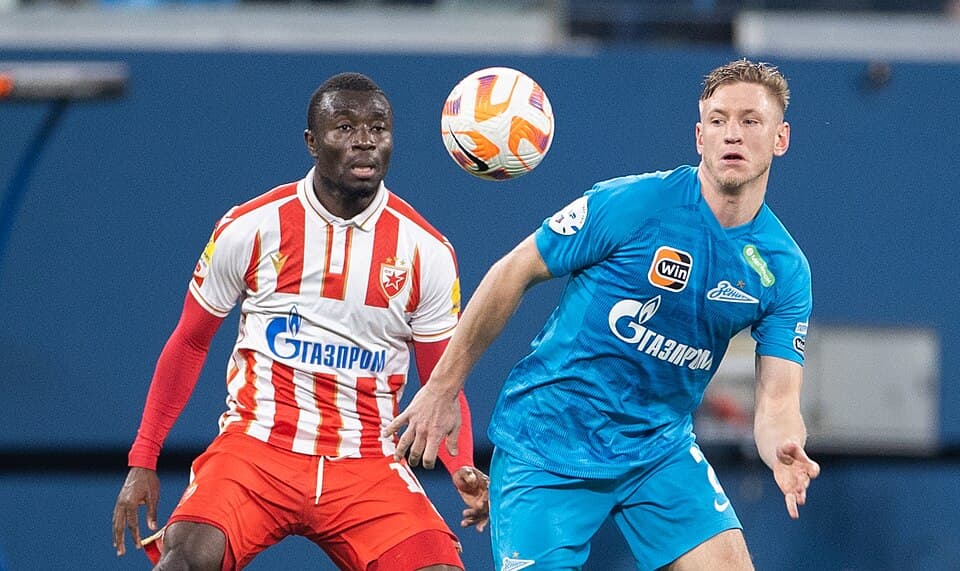
Red Star arrive off the back of a 4-0 aggregate win over Northern Ireland's Larne in the previous round, and they can field Israeli international Mohamed Abu Fani — a player well known to Beer Sheva's staff from his years with Maccabi Haifa and the national team before moves to Ferencváros and then Belgrade. Tzarfati says Abu Fani has settled into the Serbian champions seamlessly.
Alongside him, Red Star have Aleksandar Katai, named Serbian SuperLiga player of the season after topping the league's scoring charts with 24 goals, and 37-year-old former Austria international Marko Arnautović — the kind of experience and quality Tzarfati flags as a genuine problem for Beer Sheva to solve.
Beer Sheva reached this stage on merit, beating Iceland's Víkingur Reykjavík 2-0 in the second leg to seal the aggregate win in the previous round. But the campaign has already cost them their best player: Kings Kangwa, voted Israel's Footballer of the Year for 2025-26 after a 12-goal season, was sold to Panathinaikos for a reported €3.8 million in the middle of the qualifying run.
Tzarfati is blunt about what that departure means, pointing to Kangwa's absence as a significant weakening of Beer Sheva's attacking threat at the worst possible moment.
Yet he does not write the Israeli champions off. His case for an upset rests on a specific tactical idea: if Beer Sheva press high and force Red Star to build out from the back under pressure in their own half, they will be imposing a kind of discomfort the Serbian side rarely faces domestically — and one that could unsettle a team more used to dominating the ball itself.
"Red Star are the preferred side, but Beer Sheva can cause them trouble," is how Tzarfati summed up the tie for ONE — a verdict that leaves plenty of room for a positive result in front of the Beersheba crowd on Tuesday.
The return leg is scheduled for August 11 at the Rajko Mitić Stadium in Belgrade, where a crowd of over 50,000 will await whatever scoreline Beer Sheva carry with them from the first leg.