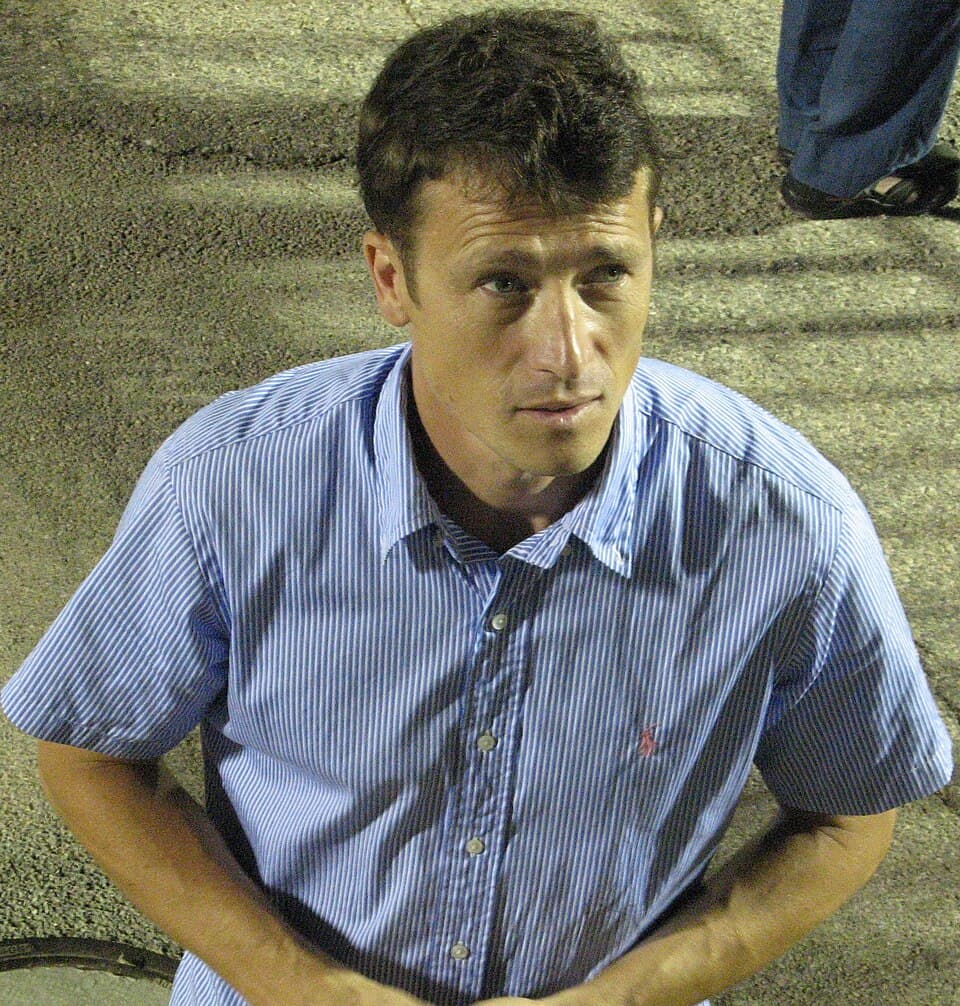
For a country that had not sniffed the top tier of world tennis since a forgettable tie against India in 1987, the draw was cruel: Russia, winners of the Davis Cup in 2002 and 2006, boasting Marat Safin, Mikhail Youzhny and Igor Andreev, arriving in Tel Aviv for a World Group quarterfinal. Israel's captain, Eyal Ran, had four players and very little pedigree to work with. Nobody outside the team expected what unfolded over three days at the Nokia Arena in Yad Eliyahu.
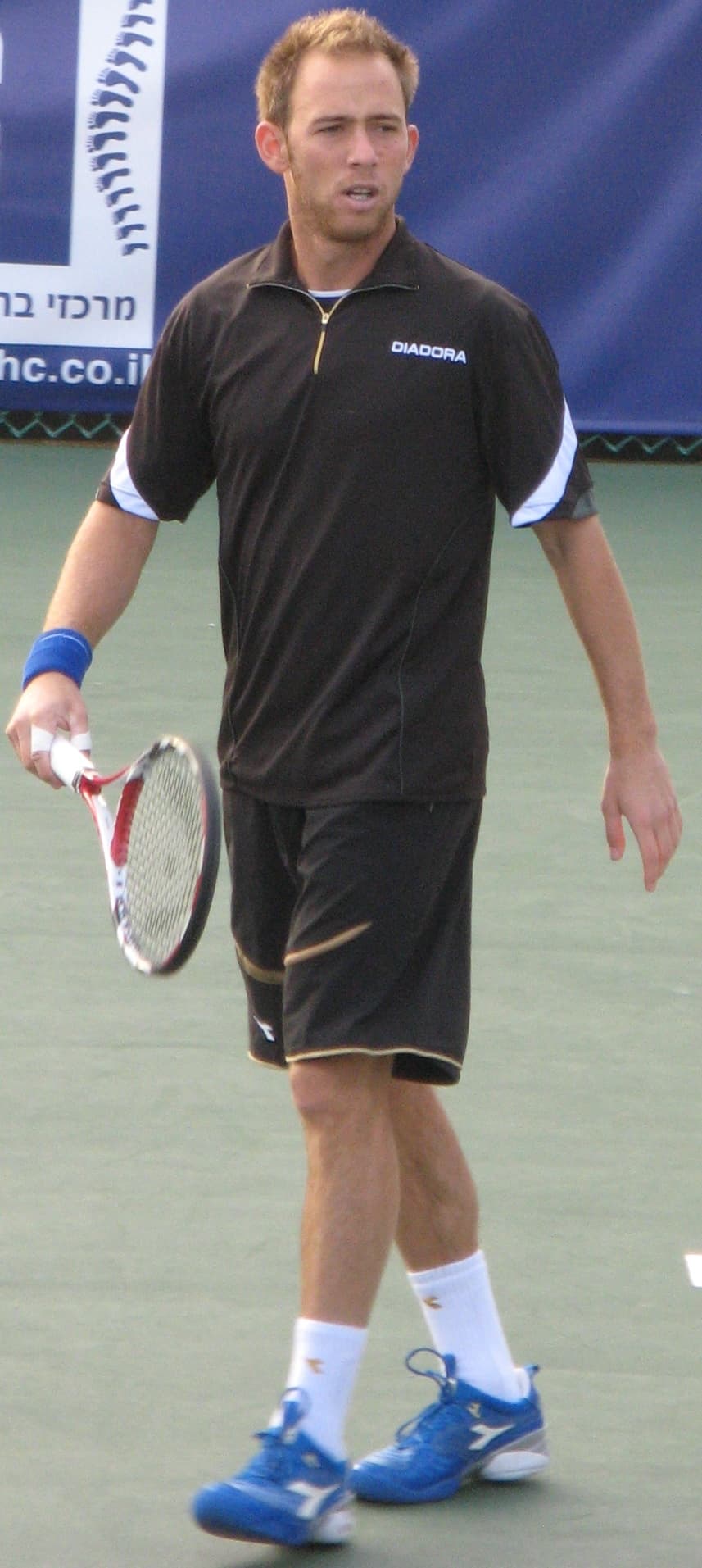
The tie opened on Friday, 10 July 2009, and Israel stunned the form book from the first ball. Harel Levy, ranked a modest 210th in the world, beat Andreev 6-4, 6-2, 4-6, 6-2, a result even the home crowd struggled to believe. Then Israel's number one, Dudi Sela, came from a set down to beat Youzhny 3-6, 6-1, 6-0, 7-5. By the end of day one, Israel led 2-0, and a tie that was supposed to be a formality for Russia had become a genuine contest.
Saturday, 11 July, belonged to the pairing Israelis had nicknamed 'Andyoni' — Andy Ram and Jonathan Erlich, the doubles specialists who had already won the Australian Open together in January 2008. Facing Safin and Kunitsyn, they needed five sets and every ounce of nerve to close it out: 6-3, 6-4, 6-7(3-7), 4-6, 6-4. When Erlich's final volley found the court, Israel had won the tie 3-0 — unbeatable, and through to a Davis Cup semifinal for the first time in the country's history.
The arena erupted. Ram, visibly emotional afterward, told reporters he wanted 'to thank the team for all the remarkable work they have done,' while the crowd broke into a spontaneous rendition of Hatikvah. Sunday's two dead rubbers only confirmed the scale of the upset: Sela was retiring down 3-4 against Andreev when the match was waved off as academic, and Levy beat Kunitsyn 6-4, 4-6, 7-6 to push the final aggregate to 4-1. Russia, the two-time champions, were out in the earliest round they had exited in six years.
It was a result built on unlikely foundations. Israel's Davis Cup program had spent decades in the sport's lower divisions, and the team fielded that week — Ram, Erlich, Sela and Levy — had no rankings that would have suggested a run like this. What they had was a doubles pairing that had already conquered a Grand Slam together, a fearless underdog in Levy, and a raucous, disbelieving home crowd behind them at Yad Eliyahu.
The fairy tale had one more chapter. In September 2009, Israel traveled to Torre Pacheco, near Murcia in Spain, to face the Spanish — missing Rafael Nadal and Fernando Verdasco, but still formidable on their own clay. David Ferrer beat Levy in straight sets and Juan Carlos Ferrero beat Sela, before Tommy Robredo and Feliciano López saw off Ram and Erlich in the doubles to clinch the semifinal 4-1 for the hosts. Levy salvaged a point of pride, beating López in the final dead rubber, but the run was over.
It remains, to this day, the high-water mark of Israeli men's tennis at team level: a nation with a fraction of the resources of the traditional powers reaching a Davis Cup semifinal on the strength of four players who simply refused to be outclassed. Ram and Erlich went on to add a Wimbledon mixed-doubles title (Ram, 2006) and further doubles success to their résumés, but for one weekend in July 2009, it was the team result — not an individual final — that gave Israeli tennis its proudest collective moment.
The Nokia Arena, better known to generations of Tel Aviv sports fans as Yad Eliyahu, had hosted basketball's greatest European nights. In the summer of 2009, for three days, it belonged to tennis.